Red Hat Collaborates with Intel to Deliver Open Source Industrial Automation to the Manufacturing Shop Floor

Nokia และ Red Hat ประกาศความร่วมมือให้บริการ โซลูชันโทรคมนาคมระดับ Best-in-Class บนแพลตฟอร์มโครงสร้างพื้นฐานของ Red Hat และ Core Network Applications ของ Nokia

Red Hat Collaborates with Intel to Deliver Open Source Industrial Automation to the Manufacturing Shop Floor

Manufacturers will now have access to a new industrial edge platform that helps build smarter, more open software-defined factoriesto the Manufacturing Shop Floor

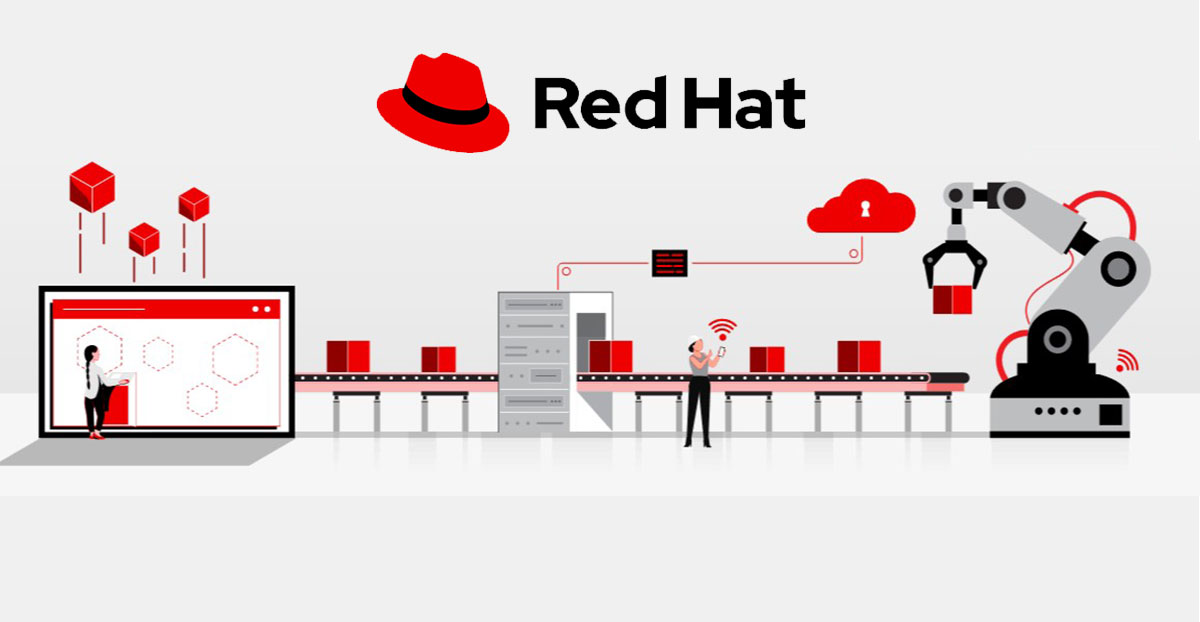
Red Hat, Inc., the world’s leading provider of open source solutions, announced a new industrial edge platform, designed in collaboration with Intel, that will provide a modern approach to building and operating industrial controls.

By transforming the way manufacturers operate, scale and innovate with standard IT technologies delivered to the plant floor and real-time data insights, the platform will enable industrial control system (ICS) vendors, system integrators (SIs) and manufacturers to automate previously manual industrial automation tasks including: system development, deployment and management, cybersecurity risk reduction, prescriptive and predictive maintenance improvements for factory agility, co-locating deterministic and non-deterministic workloads and reducing turnaround time.

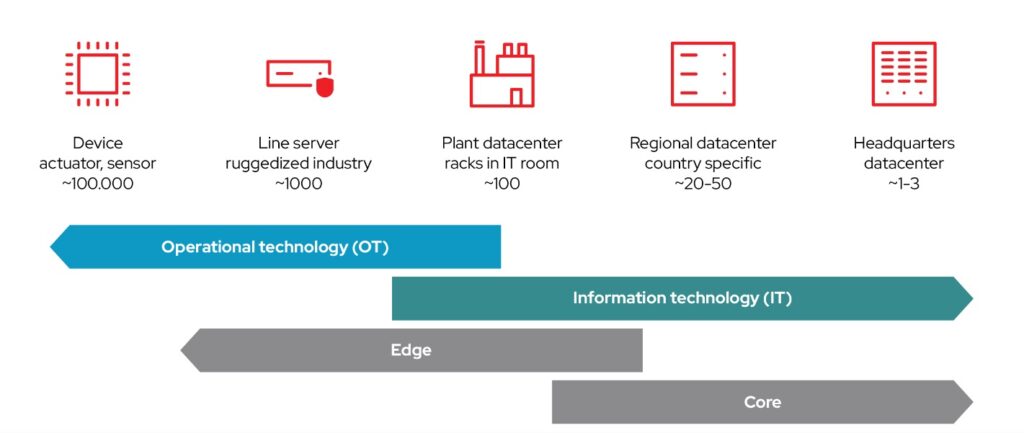
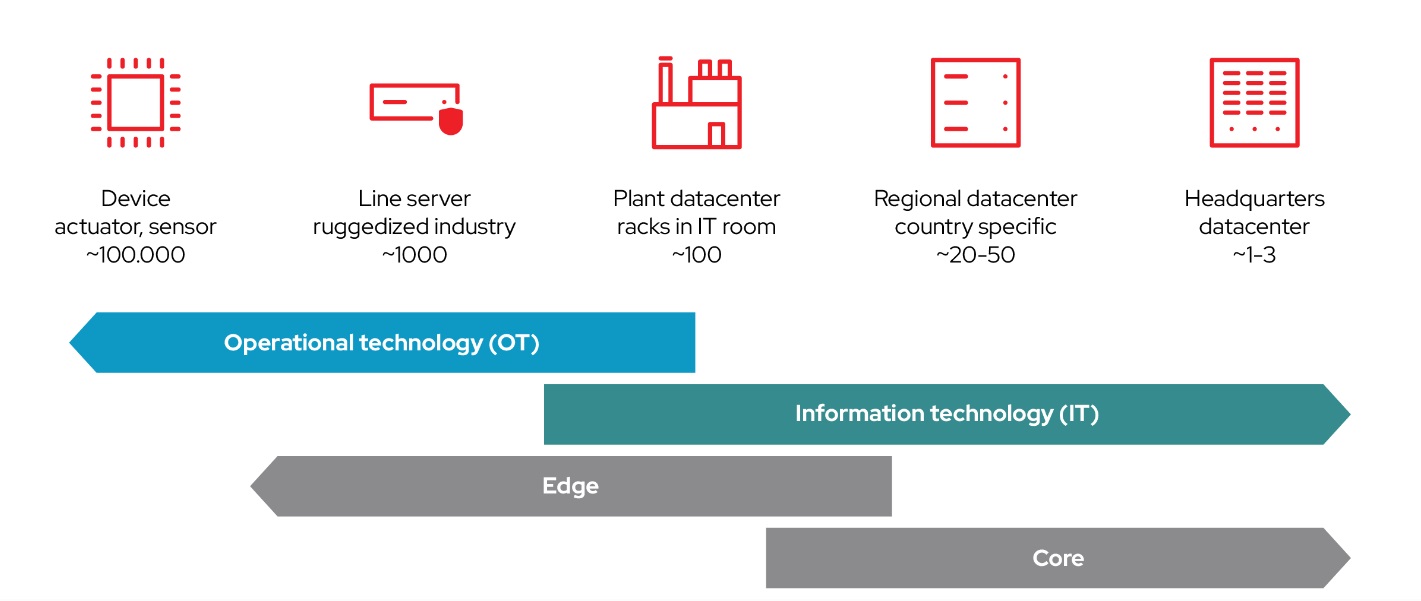
Smart factories, or software-defined factories, are playing a crucial role in amplifying the speed at which manufacturers can innovate. According to a report by McKinsey, “Smart manufacturing has the potential to create up to $3.7 trillion in value by 2025, driving growth, innovation, and competitiveness across sectors.” By breaking down the barriers between IT and OT, manufacturers can embrace collaboration with new functionality and proactively strengthen and speed up operations, with the flexibility and intelligence to scale based on demand.

The industrial edge platform is intended to provide a holistic solution that spans from real-time shop floor control and artificial intelligence/machine learning (AI/ML) to full IT manageability – delivering greater customer choice for data gravity or edge-to-cloud style architectures and improved overall equipment efficiency (OEE). To continuously support this effort, Red Hat and Intel are working to integrate Intel-based platforms and Intel Edge Controls for Industrial (Intel ECI) with current and future versions of Red Hat Enterprise Linux, starting with collaboration in upstream Linux communities like the Fedora Project and CentOS Stream. This collaboration extends to bringing these controls and platforms to Red Hat Device Edge (early access), Red Hat Ansible Automation Platform and Red Hat OpenShift. With this collaboration organizations can benefit from:

  • Fully integrated real-time capabilities from silicon to software, to support industrial automation for predictable performance;
  • Advanced management and network automation for system deployment and management without heavy handed resource usage, simplifying the industrial network creation and management using open standards-based tools;
  • Scalability and flexibility through a software-defined platform approach that facilitates more portable, scalable control and maximizes adaptability;
  • Uninterrupted operations supported by high-availability and redundancy attributes built-in with the platform;
  • Simplified AI workload integration with the ability to take an AI workload and run it next to a control workload, helping simplify hardware complexity, and enabling AI to more easily improve product quality, system uptime, maintenance needs and more;
  • Enhanced cybersecurity posture by removing human error elements with automated patching and updates, an immutable operating system plane and a platform built on hardened, production-tested components.

To underpin this platform, Red Hat – in collaboration with Intel – will deliver a real-time kernel that provides lower latency and reduced jitter, helping applications run repeatedly with greater reliability. This new industrial edge platform will be built on open standards and community-driven innovation, driven by thousands of developers globally, helping to drive more simplified integration with other hardware and software components. Additionally, core code transparency and a clear roadmap and release cycle help take the guesswork out of when new releases are available and their accompanying features. Red Hat’s industry-leading enterprise developer support backs IT teams with a best-in-class developer toolchain, bringing greater deployment consistency regardless of deployment model or integrator, further removing guesswork and choice paralysis around modern developer tooling. 

Software-defined factories in action

Manufacturing innovation has been hampered by the limitations of legacy industrial controls and siloed organizational structures for decades. With this new platform, organizations will be able to benefit from an open edge platform that allows simplified integration of components in an easy-to-use, reliable solution for industrial automation. Industry leaders like ABB, Schneider Electric and Codesys are already working to successfully implement new industry edge platforms to build modern industry controls.

Supporting Quotes

Francis Chow, vice president and general manager, In-Vehicle Operating System and Edge, Red Hat

“From transforming traditional IT infrastructures to helping software-defined vehicles deliver scalable digital solutions across industrial edge, Red Hat has a proven history in driving not just modernization across industries, but innovation. Now, Red Hat has set our sights on bringing that same level of transformation to manufacturing plants across the globe with a new edge platform with Intel. We believe that by helping converge both IT and operational technologies, the next industrial revolution can arrive sooner, more quickly and built on a backbone of open source software.”

Christine Boles, vice president in the network and edge group and general manager of federal and industrial solutions, Intel Corporation

“For years, Intel and Red Hat have worked together to transform and support a range of industries. Bringing together Red Hat’s expertise in cloud-to-edge application platform delivery and Intel’s strength in edge to cloud compute platforms, including industrial hardware and software, will deliver the software-defined capabilities and transformation to meet the resilient, flexible and reliable requirements of today’s manufacturing.”

Red Hat ผสานพลัง Intel มอบ Open Source Industrial Automation ให้กับโรงงานในอุตสาหกรรมการผลิต

Nokia และ Red Hat ประกาศความร่วมมือให้บริการ โซลูชันโทรคมนาคมระดับ Best-in-Class บนแพลตฟอร์มโครงสร้างพื้นฐานของ Red Hat และ Core Network Applications ของ Nokia

Red Hat ผสานพลัง Intel มอบ Open Source Industrial Automation ให้กับโรงงานในอุตสาหกรรมการผลิต

ผู้ผลิตจะสามารถเข้าถึง industry edge platform ซึ่งเป็นแพลตฟอร์มใหม่ที่จะช่วยให้เกิดโรงงานที่ควบคุมการทำงานด้วยซอฟต์แวร์ และเป็นอัจฉริยะมากขึ้น

Red Hat ผู้ให้บริการโซลูชันโอเพ่นซอร์สระดับแนวหน้าของโลก เปิดตัวแพลตฟอร์มใหม่ ด้าน industrial edge ที่ออกแบบร่วมกับ Intel ซึ่งจะมอบแนวทางที่ทันสมัยในการสร้างและควบคุมการดำเนินงานทางอุตสาหกรรมต่าง ๆ แพลตฟอร์มนี้จะช่วยทรานส์ฟอร์มวิธีการดำเนินการ มอบความสามารถในการสเกลและสร้างสรรค์สิ่งใหม่ ผ่านเทคโนโลยีด้านไอทีที่มีมาตรฐาน ส่งตรงถึงโรงงาน และมอบข้อมูลเชิงลึกแบบเรียลไทม์ให้กับผู้ผลิต ซึ่งจะช่วยให้เวนเดอร์ด้านระบบควบคุมอุตสาหกรรม (industrial control system: ICS), ผู้วางระบบ (SIs) และผู้ผลิตสามารถปรับเปลี่ยนการทำงานแบบแมนนวลให้เป็นแบบอัตโนมัติ เช่น การพัฒนาระบบ, การใช้และการบริหารจัดการ, การลดความเสี่ยงด้านความปลอดภัยไซเบอร์, เพิ่มประสิทธิภาพการบำรุงรักษาตามที่กำหนดและคาดการณ์ไว้ได้เพื่อความคล่องตัวของโรงงาน, วางเวิร์กโหลดที่กำหนดและไม่ได้กำหนดไว้ไว้ ณ โลเคชันเดียวกัน และลดเวลาในการดำเนินงานตั้งแต่เริ่มต้นจนจบกระบวนการและส่งมอบผลิตภัณฑ์

โรงงานอัจฉริยะหรือโรงงานที่ควบคุมการทำงานด้วยซอฟต์แวร์กำลังมีบทบาทสำคัญที่ช่วยให้ผู้ผลิตสร้างสรรค์สิ่งใหม่ ๆ ได้รวดเร็วยิ่งขึ้น ข้อมูลจากรายงานของ McKinsey ระบุว่า “การผลิตอัจฉริยะมีศักยภาพที่จะสร้างมูลค่าสูงถึง 3.7 ล้านล้านเหรียญสหรัฐภายในปี 2568 ทั้งยังขับเคลื่อนการเติบโต นวัตกรรม และความสามารถในการแข่งขันให้กับทุกภาคส่วน” นอกจากนี้ การขจัดอุปสรรคต่าง ๆ ระหว่างไอทีและเทคโนโลยีเชิงปฏิบัติงาน (OT) จะช่วยให้ผู้ผลิตสามารถทำงานร่วมกับฟังก์ชันการทำงานใหม่ ๆ เพิ่มความแข็งแกร่งและเร่งความเร็วในการดำเนินงานได้แบบเชิงรุก ด้วยความคล่องตัวและความชาญฉลาดของการสเกลได้ตามต้องการ

แพลตฟอร์ม industrial edge นี้มุ่งหมายที่จะมอบโซลูชันแบบองค์รวมที่ครอบคลุมตั้งแต่การควบคุมระบบการผลิตแบบเรียลไทม์ การใช้ AI/machine learning (AI/ML) ไปจนถึงการจัดการด้านไอทีอย่างเต็มรูปแบบ ซึ่งเป็นการมอบทางเลือกที่ดีขึ้นแก่ลูกค้า ในด้านสถาปัตยกรรมในรูปแบบ data gravity หรือ edge-to-cloud และปรับปรุงมาตรฐานหลักสำหรับการวัดประสิทธิภาพของการผลิต (overall equipment efficiency: OEE) เพื่อสนับสนุนความพยายามนี้อย่างต่อเนื่อง Red Hat และ Intel จึงทำงานร่วมกันเพื่อรวมแพลตฟอร์มที่ใช้ Intel และ Intel Edge Controls for Industrial (Intel ECI) เข้ากับ Red Hat Enterprise Linux เวอร์ชันปัจจุบันและเวอร์ชันที่จะเกิดขึ้นในอนาคต โดยเริ่มจากการร่วมมือกันในคอมมูนิตี้ Linux ต่าง ๆ เช่น  Fedora Project และ CentOS Stream ความร่วมมือนี้ยังขยายไปถึงการนำการควบคุมและแพลตฟอร์มเหล่านี้ไปใช้กับ Red Hat Device Edge (early access), Red Hat Ansible Automation Platform และ Red Hat OpenShift ซึ่งองค์กรต่าง ๆ จะได้รับประโยชน์จากความสามารถต่าง ๆ ดังนี้

  • ความสามารถแบบเรียลไทม์ครบวงจร ตั้งแต่ซิลิคอนไปจนถึงซอฟต์แวร์ เพื่อรองรับระบบอัตโนมัติทางอุตสาหกรรมเพื่อประสิทธิภาพการทำงานที่คาดการณ์ได้
  • การจัดการขั้นสูงและเน็ตเวิร์กอัตโนมัติ สำหรับการใช้และการจัดการระบบโดยไม่ต้องใช้ทรัพยากรมากเกินไป สามารถสร้างและจัดการเน็ตเวิร์กทางอุตสาหกรรมได้ง่ายด้วยการใช้เครื่องมือที่เป็นมาตรฐานเปิดที่กำหนดไว้เป็นสากล
  • ความสามารถในการสเกลและความยืดหยุ่น ด้วยการใช้แพลตฟอร์มที่ควบคุมการทำงานด้วยซอฟต์แวร์ ที่ช่วยให้เคลื่อนย้ายการทำงานได้สะดวกมากขึ้น มีการควบคุมที่สเกลได้ และมีความสามารถในการปรับตัวได้สูงสุด
  • การดำเนินงานอย่างต่อเนื่องไม่หยุดชะงัก ซึ่งขับเคลื่อนด้วยคุณสมบัติต่าง ๆ ที่มีความพร้อมใช้สูงและมีการทำซ้ำที่ built-in มาเบ็ดเสร็จในแพลตฟอร์ม
  • การผสานรวม AI เวิร์กโหลดได้อย่างไม่ยุ่งยาก ด้วยความสามารถในการนำ AI เวิร์กโหลดมารันไว้ถัดจากคอนโทรลเวิร์กโหลด ซึ่งเป็นการช่วยลดความซับซ้อนที่เกิดจากฮาร์ดแวร์ และสามารถใช้ AI ไปเพิ่มประสิทธิภาพให้กับคุณภาพผลิตภัณฑ์ เวลาทำงานของระบบ ความจำเป็นด้านการบำรุงรักษา และอื่น ๆ ได้ง่ายขึ้น
  • เพิ่มมาตรการรักษาความปลอดภัยไซเบอร์ให้รัดกุมขึ้น ด้วยการขจัดองค์ประกอบที่เกิดจากข้อผิดพลาดของมนุษย์ด้วยการแพตช์และอัปเดตอัตโนมัติ ด้วยระบบปฏิบัติการที่แก้ไขไม่ได้และแพลตฟอร์มหนึ่งที่สร้างขึ้นจากคอมโพเนนท์ที่แข็งแกร่งและผ่านการทดสอบแล้ว

เพื่อสนับสนุนแพลตฟอร์มนี้ Red Hat และ Intel จะร่วมมือกันเพื่อมอบเคอร์เนลแบบเรียลไทม์ที่มีระยะเวลาตอบสนองต่ำกว่า และลดค่าความต่างของระยะเวลาในการส่งข้อมูลผ่านเน็ตเวิร์ก (jitter) ซึ่งช่วยให้รันแอปพลิเคชันซ้ำ ๆ ได้อย่างมั่นใจและเชื่อถือได้มากขึ้น แพลตฟอร์ม industrial edge แพลตฟอร์มใหม่นี้จะสร้างบนมาตรฐานเปิดที่เป็นสากล และจากนวัตกรรมของคอมมิวนิตี้ซึ่งขับเคลื่อนโดยนักพัฒนาทั่วโลกหลายพันคนที่ช่วยขับเคลื่อนการบูรณาการเข้ากับฮาร์ดแวร์และซอฟต์แวร์คอมโพเนนท์อื่น ๆ ให้ได้ง่ายขึ้น นอกจากนี้ ความโปร่งใสของ core code รวมถึงแผนงานและวงจรการออกวางตลาดที่ชัดเจน ยังช่วยให้ไม่ต้องคาดเดาว่าจะวางตลาดผลิตภัณฑ์หนึ่ง ๆ เมื่อใดและจะมีฟีเจอร์อะไรในผลิตภัณฑ์นั้นบ้าง Red Hat ให้การสนับสนุนนักพัฒนาซอฟต์แวร์ระดับองค์กร โดยอยู่เบื้องหลังการทำงานของทีมไอที ด้วยการมอบชุดเครื่องมือสำหรับการพัฒนาซอฟต์แวร์ (toolchain) ที่ดีที่สุดในระดับเดียวกัน ทำให้การใช้งานมีสอดคล้องกันและคงเส้นคงวา โดยไม่ต้องพึ่งพาโมเดลหรือผู้รวมระบบ ทั้งยังเป็นการขจัดการทำงานด้วยการคาดเดาและเป็นเครื่องมือสำหรับนักพัฒนาที่ทันสมัยอีกทางเลือกหนึ่ง

โรงงานอุตสาหกรรมที่ขับเคลื่อนด้วยซอฟต์แวร์

การสร้างและใช้นวัตกรรมในอุตสาหกรรมการผลิต ต้องติดขัดด้วยข้อจำกัดด้านระบบควบคุมในอุตสาหกรรมที่ใช้มาแต่ดั้งเดิมและโครงสร้างองค์กรแบบไซโล มานานหลายทศวรรษ แพลตฟอร์มใหม่นี้จะช่วยให้องค์กรได้ประโยชน์จาก open edge platform ที่ช่วยให้ผสานรวมคอมโพเนนท์ต่าง ๆ ได้ง่าย ในรูปแบบโซลูชันที่ใช้งานง่ายและเชื่อถือได้เพื่อการใช้ระบบอัตโนมัติทางอุตสาหกรรม ผู้นำในอุตสาหกรรม เช่น ABB, Schneider Electric และ Codesys ได้นำแพลตฟอร์ม industry edge ใหม่นี้ไปสร้างระบบควบคุมทางอุตสาหกรรมที่ทันสมัยอย่างประสบความสำเร็จแล้ว

คำกล่าวสนับสนุน

Francis Chow, vice president and general manager, In-Vehicle Operating System and Edge, Red Hat

“Red Hat ได้รับการพิสูจน์มาแล้วว่า ได้ช่วยขับเคลื่อนความทันสมัยและนวัตกรรมให้กับทุกอุตสาหกรรม นับจากเรื่องการทรานส์ฟอร์มโครงสร้างพื้นฐานไอทีแบบดั้งเดิม ไปจนถึงการช่วยให้ยานพาหนะที่ควบคุมการทำงานด้วยซอฟต์แวร์มอบดิจิทัลโซลูชันที่สเกลได้ตามต้องการให้กับ industrial edge ทั้งหมด ปัจจุบัน Red Hat ตั้งเป้าหมายในการนำการทรานส์ฟอร์มในระดับเดียวกันนี้มาสู่โรงงานในภาคการผลิตทั่วโลกด้วยแพลตฟอร์ม edge แพลตฟอร์มใหม่ที่เกิดจากความร่วมมือกับ Intel เราเชื่อว่าการผสานไอทีและเทคโนโลยีในการดำเนินการเข้าด้วยกันนี้ จะส่งให้เกิดการปฏิวัติอุตสาหกรรมครั้งต่อไปอย่างรวดเร็ว และมีซอฟต์แวร์โอเพ่นซอร์สเป็นแกนหลัก”

Christine Boles, vice president in the network and edge group and general manager of federal and industrial solutions, Intel Corporation

“หลายปีที่ผ่านมา Intel และ Red Hat ได้ทำงานร่วมกันเพื่อทรานส์ฟอร์มและสนับสนุนอุตสาหกรรมต่าง ๆ มากมาย การนำความเชี่ยวชาญด้าน cloud-to-edge application platform ของ Red Hat มาบูรณาการกับความแข็งแกร่งด้าน edge to cloud compute platforms ของ Intel รวมถึงฮาร์ดแวร์และซอฟต์แวร์สำหรับอุตสาหกรรม จะมอบความสามารถต่าง ๆ และการทรานส์ฟอร์มที่ควบคุมด้วยซอฟต์แวร์ ให้ได้ตอบโจทย์ความต้องการด้านความยืดหยุ่น คล่องตัว และเชื่อถือได้ ของภาคการผลิตในปัจจุบัน”

Nokia and Red Hat Announce Partnership for New Best-in-Class Telecommunications Solutions Based on Red Hat Infrastructure Platforms and Nokia’s Core Network Applications

Nokia และ Red Hat ประกาศความร่วมมือให้บริการ โซลูชันโทรคมนาคมระดับ Best-in-Class บนแพลตฟอร์มโครงสร้างพื้นฐานของ Red Hat และ Core Network Applications ของ Nokia

Nokia and Red Hat Announce Partnership for New Best-in-Class Telecommunications Solutions Based on Red Hat Infrastructure Platforms and Nokia’s Core Network Applications

    • Red Hat will now serve as Nokia’s primary reference platform for the company to develop, test and deliver its core network applications.
    • Service providers will benefit from Nokia’s focused development and leadership in future-ready core network software together with Red Hat’s deployment options for bare-metal, virtualized and public cloud.

Nokia and Red Hat, Inc., the world’s leading provider of open source solutions, today announced that they have reached an agreement to tightly integrate Nokia’s core network applications with Red Hat OpenStack Platform and Red Hat OpenShift. As part of the agreement, Nokia and Red Hat will jointly support and evolve existing Nokia Container Services (NCS) and Nokia CloudBand Infrastructure Software (CBIS) customers while developing a path for customers to migrate to Red Hat’s platforms over time. Additionally, Nokia will leverage Red Hat’s infrastructure platforms to enable faster development and testing of Nokia’s extensive core network portfolio. 

Nokia customers will continue to be supported by Nokia directly, while Red Hat will provide Nokia with ongoing development, services and advanced care for Nokia NCS and CBIS. As customer cloud strategies evolve, Red Hat and Nokia will support a smooth transition path for customers who choose to migrate to Red Hat’s platforms. In addition, certain Nokia cloud infrastructure teams will transition to Red Hat to provide continued roadmap evolution, deployment services and support on behalf of Nokia to its customers.

As service providers explore the opportunities with 5G, including core network, open RAN, multi-access edge computing (MEC), application modernization and more, they require greater flexibility and options to deploy applications and services on the infrastructure and location of their choice. This means integration and interoperability amongst the ecosystem is critical. With this move:

    • Nokia will adopt Red Hat as its primary cloud infrastructure platform to develop, test and deliver Nokia’s core network applications;
    • Nokia will continue to support its core network applications on the Nokia NCS and CBIS platform offerings;
    • Nokia’s core network applications will be tightly integrated with Red Hat OpenStack Platform and Red Hat OpenShift, the leading hybrid cloud application platform powered by Kubernetes;
    • Nokia will certify Nokia’s core network cloud-native network functions (CNFs) and virtualized network functions (VNFs) on Red Hat OpenShift and Red Hat OpenStack Platform with customer deployment options on bare-metal, virtualized and public cloud telco infrastructure offerings, including those from Amazon Web Services, Google, Microsoft and others.

Nokia cloud infrastructure platform customers will have the full service and support of Red Hat’s open source ecosystem and access to Red Hat’s transformative 4G and 5G technologies and use cases. By combining Nokia’s 5G expertise with Red Hat’s open hybrid cloud vision, customers will be able to transform their core network infrastructure and applications to be fully cloud-native and future-ready with service and support from Red Hat as the industry accelerates to the edge. 

Supporting Quotes

Fran Heeran, Senior Vice President & General Manager of Core Networks, Cloud and Network Services, Nokia

“This agreement further demonstrates Nokia Cloud and Network Services’ continued momentum to rebalance its portfolio. It will allow us to provide customers with our best-in-class core network applications, together with best-in-class cloud infrastructure from Red Hat, a global leader in open source infrastructure technology.”

Darrell Jordan-Smith, Senior Vice President, Telecommunications, Media and Entertainment & Edge, Red Hat

“Red Hat recognizes the explosive impact of 5G — not only for service providers, but across all industries – with the most exciting developments still to come. 5G is revolutionizing how businesses and people interact with the development of next-generation applications, services and use cases. As part of this partnership, Nokia is offering our multicloud, cloud native infrastructure together with their core networks applications, enabling service providers to capitalize on the 5G opportunity by deploying their 5G networks using Red Hat OpenStack Platform and Red Hat OpenShift.”

Additional Resources

Nokia และ Red Hat ประกาศความร่วมมือให้บริการโซลูชันโทรคมนาคมระดับ Best-in-Class บนแพลตฟอร์มโครงสร้างพื้นฐานของ Red Hat และ Core Network Applications ของ Nokia

Nokia และ Red Hat ประกาศความร่วมมือให้บริการ โซลูชันโทรคมนาคมระดับ Best-in-Class บนแพลตฟอร์มโครงสร้างพื้นฐานของ Red Hat และ Core Network Applications ของ Nokia

Nokia และ Red Hat ประกาศความร่วมมือให้บริการโซลูชันโทรคมนาคมระดับ Best-in-Class บนแพลตฟอร์มโครงสร้างพื้นฐานของ Red Hat และ Core Network Applications ของ Nokia

    • Nokia จะใช้ Red Hat เป็นแพลตฟอร์มหลักสำหรับบริษัทในการพัฒนา ทดสอบและให้บริการ core network applications
    • ผู้ให้บริการจะได้รับประโยชน์จากการพัฒนาที่เจาะจงและความเป็นผู้นำด้านซอฟต์แวร์
      core network ที่พร้อมสำหรับอนาคตของ Nokia รวมทั้งตัวเลือกในการปรับใช้ของ Red Hat สำหรับการดำเนินงานบน Bare-Metal, เวอร์ชวลไลซ์ และพับลิคคลาวด์

Nokia และ Red Hat ผู้ให้บริการโซลูชันโอเพ่นซอร์สระดับแนวหน้าของโลก บรรลุข้อตกลงในการผสานรวมแอปพลิเคชันศูนย์กลางเครือข่ายหลัก (core network applications) ของ Nokia เข้ากับ Red Hat OpenStack Platform และ Red Hat OpenShift ให้ทำงานร่วมกันได้อย่างเต็มประสิทธิภาพ หนึ่งในการดำเนินการตามข้อตกลงนี้คือ Nokia และ Red Hat จะร่วมกันสนับสนุนและพัฒนาลูกค้าปัจจุบันในกลุ่ม Nokia Container Services (NCS) และ Nokia CloudBand Infrastructure Software (CBIS) ในขณะเดียวกันจะพัฒนาแนวทางสำหรับการย้ายการทำงานไปยังแพลตฟอร์มของ Red Hat ในอนาคต นอกจากนี้ Nokia จะใช้แพลตฟอร์มโครงสร้างพื้นฐานของ Red Hat เพื่อให้สามารถพัฒนาและทดสอบพอร์ตโฟลิโอ core network ที่ครอบคลุมในวงกว้างของ Nokia ได้เร็วขึ้น

ลูกค้าของ Nokia จะได้รับการสนับสนุนช่วยเหลือจาก Nokia โดยตรงเช่นเดิม ส่วน Red Hat จะมอบการพัฒนาอย่างต่อเนื่อง บริการต่าง ๆ และการดูแลขั้นสูงให้กับ Nokia NCS และ CBIS และเมื่อกลยุทธ์คลาวด์ของลูกค้าพัฒนาขึ้น  Red Hat และ Nokia จะมอบเส้นทางการเปลี่ยนผ่านที่ราบรื่นให้กับลูกค้าที่เลือกจะโยกย้ายการทำงานไปยังแพลตฟอร์มของ Red Hat นอกจากนี้ ทีมด้านโครงสร้างพื้นฐานคลาวด์ของ Nokia บางส่วนจะเปลี่ยนไปใช้ Red Hat เพื่อช่วยให้การพัฒนาโรดแมป การใช้บริการต่าง ๆ เป็นไปอย่างต่อเนื่อง และเป็นการให้การสนับสนุนในนามของ Nokia แก่ลูกค้าของบริษัท

การที่ผู้ให้บริการต่างมองหาโอกาสต่าง ๆ ที่ 5G นำมาให้ เช่น core network, open RAN, multi-access edge computing (MEC), การปรับปรุงแอปพลิเคชันให้ทันสมัย และอื่น ๆ ทำให้ผู้ให้บริการเหล่านั้นต้องการความยืดหยุ่นและทางเลือกที่หลากหลาย เพื่อให้สามารถเลือกได้ว่าจะใช้แอปพลิเคชันและบริการต่าง ๆ บนโครงสร้างพื้นฐานใด และวางไว้ ณ จุดใด ตามความต้องการของตน ซึ่งนั่นหมายความว่าการบูรณาการและการทำงานร่วมกันระหว่างระบบนิเวศเป็นสิ่งสำคัญมาก และนี่คือสิ่งที่ Nokia และ Red Hat ร่วมมือกัน

    • Nokia จะใช้ Red Hat เป็นแพลตฟอร์มโครงสร้างพื้นฐานคลาวด์หลัก สำหรับการพัฒนา การทดสอบ และให้บริการ core network applications ของ Nokia
    • Nokia จะยังคงให้การสนับสนุน core network applications บนแพลตฟอร์ม Nokia NCS และ CBIS
    • Core network applications ของ Nokia จะถูกรวมเข้ากับ Red Hat OpenStack Platform และ Red Hat OpenShift ซึ่งเป็นแพลตฟอร์มแอปพลิเคชันแบบไฮบริดคลาวด์ชั้นนำที่ขับเคลื่อนโดย Kubernetes
    • Nokia จะให้การรับรอง core network แบบ cloud-native network functions (CNFs) และ virtualized network functions (VNFs) ของ Nokia ที่อยู่บน Red Hat OpenShift และ Red Hat OpenStack Platform พร้อมตัวเลือกให้ลูกค้าที่ใช้บริการโครงสร้างพื้นฐานด้านโทรคมนาคม บน bare-metal, เวอร์ชวลไลซ์ และพับลิคคลาวด์ รวมถึงจาก Amazon Web Services, Google, Microsoft และอื่น ๆ

ลูกค้าแพลตฟอร์มโครงสร้างพื้นฐานคลาวด์ของ Nokia จะได้รับบริการและการสนับสนุนจากระบบนิเวศโอเพ่นซอร์สของ Red Hat อย่างเต็มรูปแบบ และเข้าถึงเทคโนโลยีเกี่ยวกับ 4G และ 5G ที่มีศักยภาพสูง และ use case ต่าง ๆ ของ Red Hat การผสานพลังความเชี่ยวชาญด้าน 5G ของ Nokia เข้ากับวิสัยทัศน์ด้านโอเพ่นไฮบริดคลาวด์ของ Red Hat จะช่วยให้ลูกค้าสามารถทรานส์ฟอร์มโครงสร้างพื้นฐานและแอปพลิเคชันที่เป็น core network ให้เป็นคลาวด์-เนทีฟอย่างเต็มรูปแบบ และพร้อมรับอนาคตด้วยบริการและการสนับสนุนจาก Red Hat ในเวลาที่ทุกแวดวงต่างเร่งขับเคลื่อนสู่การใช้ edge

คำกล่าวสนับสนุน

Fran Heeran, Senior Vice President & General Manager of Core Networks, Cloud and Network Services, Nokia

“ข้อตกลงนี้พิสูจน์ให้เห็นถึงความต่อเนื่องของแรงขับเคลื่อน Nokia Cloud and Network Services เพื่อปรับพอร์ตโฟลิโอให้สมดุล ซึ่งจะช่วยให้เราให้บริการ core network applications ที่มีประสิทธิภาพระดับ best-in-class ให้ลูกค้า ควบคู่กับโครงสร้างพื้นฐานคลาวด์ที่เป็น best-in-class จาก Red Hat ซึ่งเป็นผู้นำระดับโลกด้านเทคโนโลยีโครงสร้างพื้นฐานที่เป็นโอเพ่นซอร์ส”

Darrell Jordan-Smith, Senior Vice President, Telecommunications, Media and Entertainment & Edge, Red Hat

“Red Hat ตระหนักว่า 5G ส่งผลกระทบที่หนักหน่วงไม่เพียงต่อผู้ให้บริการต่าง ๆ เท่านั้น แต่กระทบต่อภาคอุตสาหกรรมทั้งหมด ทั้งยังจะมีการพัฒนาต่าง ๆ ที่น่าตื่นตาตื่นใจตามมาอีก 5G กำลังปฏิวัติวิธีปฏิสัมพันธ์กันของธุรกิจและผู้คนผ่านการพัฒนาแอปพลิเคชัน บริการ และ use cases ที่เป็น next-generation ความร่วมมือครั้งนี้ Nokia นำเสนอมัลติคลาวด์, โครงสร้างพื้นฐานแบบคลาวด์-เนทีฟของ Red Hat ร่วมกับ core networks applications ของ Nokia ซึ่งช่วยให้ผู้ให้บริการต่าง ๆ ได้รับโอกาสจาก 5G ผ่านการใช้เครือข่าย 5G ของตนบน Red Hat OpeStack Platform และ Red Hat OpenShift”

ข้อมูลเพิ่มเติม

The Moment for AI

เวลาของ AI

The Moment for AI

บทความโดยนายแมทต์ ฮิกส์ ประธานและซีอีโอ เร้ดแฮท

Article by Matt Hicks, President & CEO, Red Hat

Throughout history, there have been technological moments when you can feel a shift. Moments when you know a discovery or innovation is going to change the industry, and in some cases, the world as we know it.

Going back centuries you might think of Johannes Gutenberg inventing the printing press in 1455, James Watt creating the steam engine in 1765 or Alexander Graham Bell designing the first telephone in 1876. In more modern times, the first computer sprang to life in 1937 and both the personal computer and the internet came to be in 1974. There are more of these instances, of course, but what stands out to me is the pace of change.

In the past it took years, if not decades, to see the next development. Nowadays, we’re seeing innovations happen faster and faster. And more often than not, if you are slow to adopt new technology, you will get left behind. We saw this happen with open source software, cloud computing and automation, and now we’re seeing it with artificial intelligence and machine learning. 

However, this doesn’t mean abandoning what you’ve worked so hard to achieve already. The next generation of technologies like AI need to mesh seamlessly with what already runs your business. We need innovation that moves us forward but doesn’t delete our present.

AI has reached the tipping point and we cannot ignore it. Instead, we need to decide how, where and WHY we will harness it and use it to further our organizations. 

From where I sit, this is one of the most exciting moments to be in technology. Advancements which sounded like science fiction mere decades ago are now commonplace. AI has moved from the obscurity of academia to the ubiquity of ChatGPT. It’s also moved from a tool that was only accessible to the few to a movement that is now powered and utilized by the masses. Combining the impact and collaborative nature of open source with the potential of AI will enable us to solve the world’s problems more effectively and more quickly than we ever dreamed possible.

We are only limited by our creativity. The ingenious element of AI is that it does not need to be one thing for everyone. Each of us needs to analyze how we use it for our businesses and for our industries. While there may not be a one-size-fits-all solution, none of us can ignore AI as a driver for change. We have the opportunity to embrace this moment and be a part of shaping the future.

Despite the excitement that exists with AI, I recognize that there are conflicting truths that we are all faced with. First, we are being asked to do more with less. That’s a common challenge in IT, but today, it’s ironclad – less headcount, fewer tools or reduced budget. And second, we’re also being asked to continue to drive innovation to scale – adjust resources quickly, meet changing demand or grow to new footprints. While addressing these seemingly incompatible needs can be daunting, the biggest mistake any of us can make is to hunker down and attempt to maintain what we have instead of pushing for growth and development. Even though it is difficult to coalesce, now is the moment to drive forward. Try something new, change our processes, and disrupt the status quo.

At Red Hat Summit, that’s what we are encouraging – change. Not just for the sake of it, but to help drive an innovation moment for YOUR business. Maybe it will be built around Event-Driven Ansible, where you’re able to free an IT team to open up new revenue streams. Or maybe you’ll adopt Red Hat Trusted Software Supply Chain, and be able to push innovation even faster while retaining resiliency to supply chain vulnerabilities.

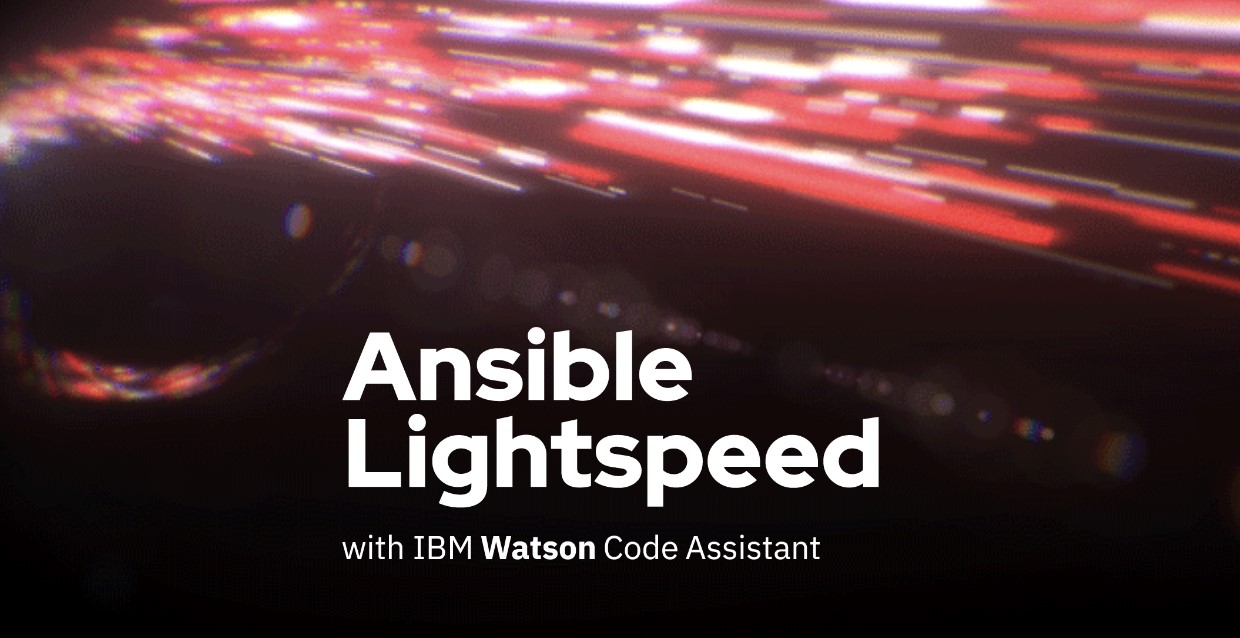
What we present with Ansible Lightspeed and Red Hat OpenShift AI may be what you need to build your moment. The promise of domain-specific AI, in this case for IT automation, or a standardized foundation for consistent AI/ML model training could let you break into the benefits of AI that works for YOUR organization.

We don’t know what the future holds – not even ChatGPT-3 is precognitive yet. This doesn’t mean that we can’t anticipate what challenges we may be facing in the coming months and years. To prepare, we can shore up our resources and simplify – distilling our work to focus on what matters the most and what will drive you forward to your moment of innovation.