Red Hat to Deliver Enhanced AI Inference Across AWS

CIMB Thai Bank และ KBTG สององค์กรไทย ได้รับรางวัล APAC Innovation Awards ประจำปี 2565 จาก Red Hat

Red Hat to Deliver Enhanced AI Inference Across AWS

Red Hat AI on AWS Trainium and Inferentia AI chips to provide customers with greater choice, flexibility and efficiency for production AI workloads

Red Hat, the world’s leading provider of open source solutions, today announced an expanded collaboration with Amazon Web Services (AWS) to power enterprise-grade generative AI (gen AI) on AWS with Red Hat AI and AWS AI silicon. With this collaboration, Red Hat focuses on empowering IT decision-makers with the flexibility to run high-performance, efficient AI inference at scale, regardless of the underlying hardware.

The rise of gen AI and subsequent need for scalable inference is pushing organizations to reevaluate their IT infrastructure. As a result, IDC predicts that “by 2027, 40% of organizations will use custom silicon, including ARM processors or AI/ML-specific chips, to meet rising demands for performance optimization, cost efficiency, and specialized computing.”[1] This underscores the need for optimized solutions that can improve processing power, minimize costs and enable faster innovation cycles for high-performance AI applications.

Red Hat’s collaboration with AWS empowers organizations with a full-stack gen AI strategy by bringing together Red Hat’s comprehensive platform capabilities with AWS cloud infrastructure and AI chipsets, AWS Inferentia2 and AWS Trainium3. Key aspects of the collaboration include: 

  • Red Hat AI Inference Server on AWS AI chips: Red Hat AI Inference Server, powered by vLLM, will be enabled to run with AWS AI chips, including AWS Inferentia2 and AWS Trainium3, to deliver a common inference layer that can support any gen AI model, helping customers achieve higher performance, lower latency and cost-effectiveness for scaling production AI deployments, delivering up to 30-40% better price performance than current comparable GPU-based Amazon EC2 instances.
  • Ease of access and deployment: By supporting AWS AI chips, Red Hat will offer enhanced and easier access to high-demand, high-capacity accelerators for Red Hat customers on AWS. In addition, Red Hat recently released the amazon.ai Certified Ansible Collection for Red Hat Ansible Automation Platform to enable orchestrating AI services on AWS.
  • Upstream community contribution: Red Hat and AWS are collaborating to optimize an AWS AI chip plugin up-streamed to vLLM. As the top commercial contributor to vLLM, Red Hat is committed to enabling vLLM on AWS to help accelerate AI inference and training capabilities for users. vLLM is also the foundation of llm-d, an open source project focused on delivering inference at scale and now available as a commercially supported feature in Red Hat OpenShift AI 3

Red Hat has a long history of collaboration with AWS to enable customers from the datacenter to the edge. This latest milestone now aims to address the evolving needs of organizations as they integrate AI into their hybrid cloud strategies to achieve optimized, efficient gen AI outcomes.

Availability

The AWS Neuron community operator is now available in the Red Hat OpenShift OperatorHub for customers using Red Hat OpenShift or Red Hat OpenShift Service on AWS. Red Hat AI Inference Server support for AWS AI chips is expected to be available in developer preview in January 2026. 

Supporting Quotes

Joe Fernandes, vice president and general manager, AI Business Unit, Red Hat

“By enabling our enterprise-grade Red Hat AI Inference Server, built on the innovative vLLM framework, with AWS AI chips, we’re empowering organizations to deploy and scale AI workloads with enhanced efficiency and flexibility. Building on Red Hat’s open source heritage, this collaboration aims to make generative AI more accessible and cost-effective across hybrid cloud environments.”

Colin Brace, vice president, Annapurna Labs, AWS

“Enterprises demand solutions that deliver exceptional performance, cost efficiency, and operational choice for mission-critical AI workloads. AWS designed its Trainium and Inferentia chips to make high-performance AI inference and training more accessible and cost-effective. Our collaboration with Red Hat provides customers with a supported path to deploying generative AI at scale, combining the flexibility of open source with AWS infrastructure and purpose-built AI accelerators to accelerate time-to-value from pilot to production.”

Jean-François Gamache, chief information officer and vice president, Digital Services, CAE

“Modernizing our critical applications with Red Hat OpenShift Service on AWS marks a significant milestone in our digital transformation. This platform supports our developers in focusing on high-value initiatives – driving product innovation and accelerating AI integration across our solutions. Red Hat OpenShift provides the flexibility and scalability that enable us to deliver real impact, from actionable insights through live virtual coaching to significantly reducing cycle times for user-reported issues.” 

Anurag Agrawal, founder and chief global analyst, Techaisle

“As AI inference costs escalate, enterprises are prioritizing efficiency alongside performance. This collaboration exemplifies Red Hat’s ‘any model, any hardware’ strategy by combining its open hybrid cloud platform with the distinct economic advantages of AWS Trainium and Inferentia. It empowers CIOs to operationalize generative AI at scale, shifting from cost-intensive experimentation to sustainable, governed production.”

Additional Resources

Connect with Red Hat


Red Hat ยกระดับประสิทธิภาพ AI Inference บน AWS

CIMB Thai Bank และ KBTG สององค์กรไทย ได้รับรางวัล APAC Innovation Awards ประจำปี 2565 จาก Red Hat

Red Hat ยกระดับประสิทธิภาพ AI Inference บน AWS

Red Hat AI ทำงานร่วมกับ Trainium และ Inferentia ซึ่งเป็น AI chips ของ AWS มอบทางเลือก ความยืดหยุ่น และประสิทธิภาพที่เหนือกว่า ให้กับเวิร์กโหลด AI ที่นำไปใช้งานจริง

เร้ดแฮท (Red Hat) ผู้ให้บริการโซลูชันโอเพ่นซอร์สชั้นนำของโลก ประกาศขยายความร่วมมือกับ Amazon Web Services (AWS) เพื่อขับเคลื่อน Generative AI (Gen AI) ระดับองค์กรบน AWS ด้วย Red Hat AI และชิป AWS AI ความร่วมมือนี้ Red Hat มุ่งเน้นการเพิ่มศักยภาพให้ผู้มีอำนาจตัดสินใจด้านไอที ให้มีความยืดหยุ่นในการรัน AI inference ประสิทธิภาพสูงที่ปรับขนาดการทำงานได้มากโดยไม่ต้องกังวลถึงข้อจำกัดของฮาร์ดแวร์พื้นฐานที่ใช้อยู่ 

การเติบโตของ gen AI และความต้องการเรื่องของการอนุมานที่ปรับขนาดได้ตามการใช้งานจริง (scalable inference) กำลังผลักดันให้องค์กรต่าง ๆ ต้องประเมินโครงสร้างพื้นฐานไอทีของตนใหม่อีกครั้ง ทั้งนี้ IDC ได้คาดการณ์ว่า “ภายในปี พ.ศ. 2570 องค์กร 40% จะหันมาใช้ชิปที่ออกแบบมาเฉพาะทาง รวมถึงโปรเซสเซอร์ ARM หรือชิปที่สร้างขึ้นเฉพาะสำหรับ AI/ML เพื่อตอบสนองต่อความต้องการด้านการเพิ่มประสิทธิภาพ ความคุ้มค่า และการประมวลผลเฉพาะทาง ที่มีความต้องการเพิ่มมากขึ้น” นับเป็นการชี้ให้เห็นถึงความจำเป็นของโซลูชันที่ได้รับการปรับแต่งอย่างเหมาะสม ซึ่งสามารถเพิ่มพลังการประมวลผล ลดต้นทุน และช่วยให้ไลฟ์ไซเคิลของการสร้างนวัตกรรมสำหรับแอปพลิเคชัน AI ประสิทธิภาพสูงทำได้รวดเร็วขึ้น 

ความร่วมมือของ Red Hat กับ AWS ช่วยเสริมศักยภาพให้องค์กรสามารถวางกลยุทธ์ gen AI ได้แบบ full-stack โดยการผสานรวมความสามารถด้านแพลตฟอร์มที่ครอบคลุมของ Red Hat เข้ากับโครงสร้างพื้นฐานคลาวด์และ AI chipsets ของ AWS ได้แก่ AWS Inferentia2 และ AWS Trainium3 ประเด็นสำคัญของความร่วมมือนี้ประกอบด้วย:

  • Red Hat AI Inference Server on AWS AI chips: Red Hat AI Inference Server ที่ขับเคลื่อนด้วย vLLM จะรองรับการทำงานร่วมกับ AI chips ของ AWS ได้แก่ AWS Inferentia2 และ AWS Trainium3 เพื่อมอบเลเยอร์การอนุมานมาตรฐานที่สามารถรองรับโมเดล gen AI ได้ทุกรูปแบบ ช่วยให้ลูกค้าได้รับประสิทธิภาพที่สูงขึ้น ลดระยะเวลาในการตอบสนอง และเพิ่มความคุ้มค่าในการขยายการนำ AI ไปใช้งานจริง โดยให้ประสิทธิภาพต่อราคา (price performance) ดีกว่า Amazon EC2 instances รูปแบบปัจจุบันที่ใช้ GPU ซึ่งมีคุณสมบัติใกล้เคียงกัน สูงถึง 30-40%
  • ใช้งาน AI on Red Hat OpenShift: Red Hat ได้ทำงานร่วมกับ AWS เพื่อพัฒนา AWS Neuron operator สำหรับ Red Hat OpenShiftRed Hat OpenShift AI และ Red Hat OpenShift Service on AWS ซึ่งเป็นแพลตฟอร์มแอปพลิเคชันแบบครบวงจรและมีการจัดการเต็มรูปแบบบน AWS มอบเส้นทางที่ราบรื่นและได้รับการสนับสนุนอย่างเป็นทางการในการรันเวิร์กโหลดด้าน AI ด้วย AWS accelerators
  • เข้าถึงและปรับใช้ได้ง่ายขึ้น: การรองรับ AI chips ของ AWS ช่วยให้ลูกค้า Red Hat on AWS สามารเข้าถึงอุปกรณ์เร่งความเร็ว (accelerators) ประสิทธิภาพสูง และรองรับปริมาณงานมากได้สะดวกยิ่งขึ้น นอกจากนี้ Red Hat ได้เปิดตัว amazon.ai Certified Ansible Collection สำหรับ Red Hat Ansible Automation Platform เพื่อช่วยประสานการทำงานของบริการ AI บน AWS 
  • การมีส่วนร่วมสนับสนุนชุมชนต้นน้ำ (upstream community): Red Hat และ AWS กำลังร่วมกันเพิ่มประสิทธิภาพให้กับปลั้กอิน AI chip ของ AWS ซึ่งได้ถูกส่งกลับไปยัง vLLM และในฐานะที่ Red Hat เป็นผู้มีส่วนร่วมสนับสนุนในเชิงพาณิชย์รายสำคัญให้กับ vLLM เร้ดแฮทจึงมุ่งมั่นที่จะทำให้ vLLM ทำงานบน AWS เพื่อช่วยเร่งศักยภาพด้านการอนุมานและการเทรน AI นอกจากนี้ vLLM ยังเป็นรากฐานของ llm-d ซึ่งเป็นโปรเจกต์โอเพ่นซอร์สที่เน้นการให้บริการด้านการอนุมานในระดับสเกลใหญ่ ที่ปัจจุบันเปิดให้ใช้งานเป็นฟีเจอร์เชิงพาณิชย์บน Red Hat OpenShift AI 3 แล้ว

Red Hat มีประวัติความร่วมมืออันยาวนานกับ AWS เพื่อช่วยเสริมศักยภาพลูกค้า ตั้งแต่ดาต้าเซ็นเตอร์ไปจนถึงเอดจ์ ความร่วมมือล่าสุดนี้มีเป้าหมายเพื่อตอบสนองความต้องการที่เปลี่ยนแปลงไปขององค์กรที่กำลังผสาน AI เข้ากับกลยุทธ์ไฮบริดคลาวด์ เพื่อให้ได้ผลลัพธ์ด้าน gen AI ที่เหมาะสมและมีประสิทธิภาพสูงสุด

ความพร้อมใช้งาน

AWS Neuron community operator พร้อมให้ใช้งานแล้วบน Red Hat OpenShift OperatorHub สำหรับลูกค้าที่ใช้งาน Red Hat OpenShift หรือ Red Hat OpenShift Service on AWS ส่วน Red Hat AI Inference Server ที่รองรับ AI chips ของ AWS ดาดว่าจะเปิดใช้งานในเวอร์ชัน developer preview ในเดือนมกราคม พ.ศ. 2569

คำกล่าวสนับสนุน

Joe Fernandes, vice president and general manager, AI Business Unit, Red Hat
เรากำลังเสริมศักยภาพองค์กรให้สามารถปรับใช้และขยายเวิร์กโหลดด้าน AI ได้อย่างมีประสิทธิภาพและยืดหยุ่นมากยิ่งขึ้น ด้วยการทำให้ Red Hat AI Inference Server ระดับองค์กรของเรา ซึ่งพัฒนาบนเฟรมเวิร์ก vLLM ที่ล้ำสมัย สามารถทำงานร่วมกับ AI chips ของ AWS ได้ ความร่วมมือนี้ต่อยอดจากรากฐานด้านโอเพ่นซอร์สของ Red Hat โดยมีเป้าหมายเพื่อทำให้สามารถเข้าถึง generative AI ได้ง่ายและคุ้มค่ามากขึ้นในสภาพแวดล้อมไฮบริดคลาวด์”

Colin Brace, vice president, Annapurna Labs, AWS

“องค์กรต่างต้องการโซลูชันที่มีประสิทธิภาพที่เหนือชั้น คุ้มค่าการลงทุน และมีตัวเลือกที่เหมาะสมในการดำเนินงานเพื่อใช้กับเวิร์กโหลด AI ที่มีความสำคัญต่อภารกิจหลัก AWS ได้ออกแบบชิป Trainium และ Inferentia เพื่อทำให้การอนุมานและการเทรน AI มีประสิทธิภาพสูง เข้าถึงได้ง่ายขึ้น และคุ้มค่ามากขึ้น ความร่วมมือของเรากับ Red Hat ช่วยให้ลูกค้ามีแนวทางที่ได้รับการสนับสนุนในการปรับใช้ generative AI ในระดับองค์กร โดยผสานความยืดหยุ่นของโอเพนซอร์สเข้ากับโครงสร้างพื้นฐานของ AWS และตัวเร่งความเร็ว AI ที่ออกแบบมาโดยเฉพาะ เพื่อเร่งเวลาในการสร้างมูลค่าจากระยะทดลองไปสู่การใช้งานจริง”

Jean-François Gamache, chief information officer and vice president, Digital Services, CAE

“การปรับปรุงแอปพลิเคชันสำคัญให้ทันสมัยด้วย Red Hat OpenShift Service on AWS ถือเป็นก้าวสำคัญในการทรานส์ฟอร์มด้านดิจิทัลขององค์กร แพลตฟอร์มนี้ช่วยให้นักพัฒนาสามารถมุ่งเน้นไปที่โครงการที่มีมูลค่าสูง ทั้งการขับเคลื่อนนวัตกรรมผลิตภัณฑ์และเร่งการบูรณาการ AI เข้ากับโซลูชัน  ต่าง ๆ ของเรา Red Hat OpenShift มอบความยืดหยุ่นและความสามารถในการปรับขนาดที่ช่วยให้สร้างผลลัพธ์ที่จับต้องได้จริง ตั้งแต่การมอบข้อมูลเชิงลึกที่นำไปใช้งานได้จริงผ่านระบบการโค้ชเสมือนจริงแบบเรียลไทม์ (live virtual coaching) ไปจนถึงการลดระยะเวลาในการแก้ไขปัญหาที่ผู้ใช้รายงานเข้ามาได้อย่างมีนัยสำคัญ”

Anurag Agrawal, founder and chief global analyst, Techaisle

“ในขณะที่ต้นทุนการทำ AI inference เพิ่มสูงขึ้น องค์กรต่างให้ความสำคัญกับประสิทธิภาพควบคู่ไปกับสมรรถนะ ความร่วมมือนี้สะท้อนกลยุทธ์ ‘any model, any hardware’ ของ Red Hat โดยการบูรณาการแพลตฟอร์มโอเพ่นไฮบริดคลาวด์เข้ากับข้อได้เปรียบด้านความคุ้มค่าที่โดดเด่นของ AWS Trainium และ Inferentia ซึ่งช่วยให้ CIO สามารถนำ generative AI ไปใช้งานจริงในระดับองค์กร เปลี่ยนจากการทดลองที่มีต้นทุนสูงไปสู่การใช้งานจริงที่ยั่งยืนและมีการกำกับดูแล”

แหล่งข้อมูลเพิ่มเติม

ช่องทางการติดต่อกับเร้ดแฮท

Red Hat OpenShift 4.20 Enhances Security of the Modern Application Platform to Unite Enterprise IT, from Virtual Machines to AI

Red Hat OpenShift 4.20 เพิ่มประสิทธิภาพความปลอดภัยให้กับแพลตฟอร์มแอปพลิเคชันยุคใหม่ เพื่อรวมระบบไอทีขององค์กรเป็นหนึ่งเดียว ตั้งแต่เวอร์ชวลแมชชีนไปจนถึง AI

Red Hat OpenShift 4.20 Enhances Security of the Modern Application Platform to Unite Enterprise IT, from Virtual Machines to AI

Red Hat OpenShift enables customers to run what they need, where they need it, with new capabilities extending the platform’s trusted foundation to accelerate AI workloads and expand virtualization support across sovereign clouds.

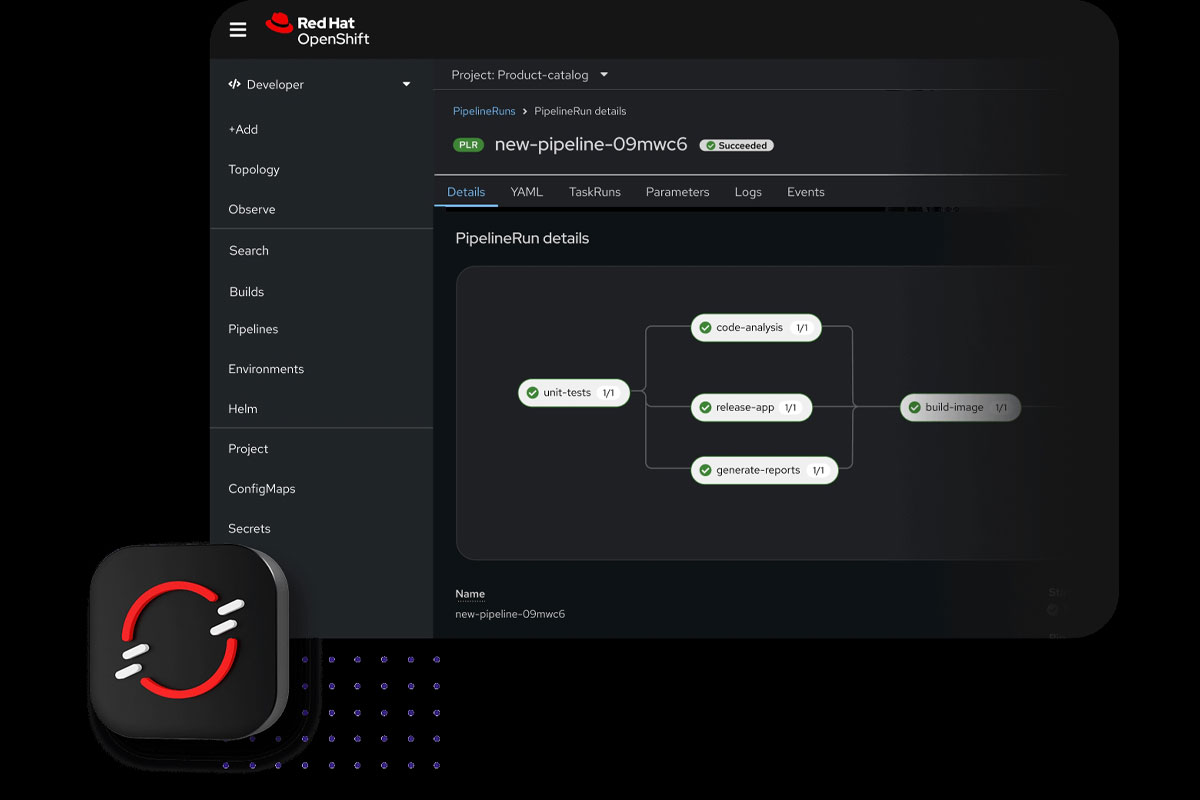
Red Hat, the world’s leading provider of open source solutions, today announced the general availability of Red Hat OpenShift 4.20, the latest version of the industry’s leading hybrid cloud application platform powered by Kubernetes. Red Hat OpenShift 4.20 introduces capabilities for accelerating AI workloads, strengthening core platform security and enhancing virtualization strategies consistently from the datacenter, to public clouds, and the edge.

As organizations navigate increasing complexity and expanding regulatory requirements, they need a more consistent and reliable platform to bridge diverse applications and services across their entire IT footprint. There is also a growing need for capabilities that support digital sovereignty, which requires organizations to maintain expansive control over their cloud destiny – deciding precisely which applications and data must run in-house and which exist outside that domain. Red Hat OpenShift 4.20 provides a unified and more efficient foundation, built with systems security front and center, enabling sovereign deployments and accelerating the development and deployment of applications and AI workloads across hybrid cloud environments.

Strengthened platform security and enhanced core manageability

This latest release significantly strengthens the platform’s security posture, addressing both today’s immediate threats and the complex, evolving security needs of enterprise IT. By hardening the platform for the unique requirements of sovereignty, Red Hat OpenShift 4.20 helps secure the main traffic between control plane components with initial support for post-quantum cryptography (PQC) algorithms for mTLS, to deliver long-term cryptographic protection for critical communications.

This release also brings greater operational flexibility to the core platform and strengthens security capabilities for Red Hat OpenShift Platform Plus customers. This includes the general availability of Red Hat Advanced Cluster Security 4.9 and enhancements to Red Hat Trusted Artifact Signer and Red Hat Trusted Profile Analyzer to help customers more easily manage and analyze security data. Additionally, the zero trust workload identity manager is scheduled for release later this year, delivering identity attestation for machines and humans alike across federated infrastructure. 

Additional features focused on control and identity include:

  • Gain identity management flexibility and control: Bring-your-own OpenID Connect enables customers to use their existing OpenID Connect (OIDC) infrastructure, providing greater control over user data.
  • Significantly lower cost pod-to-pod mTLS encryption, identity-based traffic policies, observability and more with “sidecar-less” ambient mode with Red Hat OpenShift Service Mesh, helping reduce infrastructure costs, operational complexity, and resource overhead.
  • Simplify external secret management with a cluster-wide service: The External Secrets Operator (ESO) provides lifecycle management for secrets fetched from external secret management systems, helping improve security.
  • Reduce infrastructure costs with high availability on smaller footprints: Two-node OpenShift with arbiter enables a new high-availability form factor, reducing infrastructure costs without sacrificing resiliency.
  • Enhance network integration and performance for on-premises deployments: Border Gateway Protocol (BGP) in OVN-Kubernetes delivers new networking capabilities to on-premises environments by providing continuous route exchange between OpenShift and external network fabrics, which means faster adaptation to network changes, VM migration or failover events.

Scaling AI from experimentation to production

Red Hat OpenShift 4.20 helps accelerate AI projects to run in production faster, more reliably, and with more confidence. New capabilities are designed to streamline the deployment and management of complex AI workloads, making them easier to scale and manage. For instance, the LeaderWorkerSet (LWS) API for AI workloads simplifies the management of large, distributed AI workloads with automated orchestration and scaling. 

Deployment time is dramatically reduced using Image volume source for AI workloads, which allows new models to be integrated in minutes without rebuilding application containers. Together, these features provide functionality for Red Hat OpenShift AI or other AI platforms to help customers move more easily from experimentation to production. Additionally, Model Context Protocol (MCP) enables cluster management via developer tools like Visual Studio Code. 

Production-ready virtualization

Red Hat continues to optimize Red Hat OpenShift Virtualization, enabling customers to manage virtual machines (VMs) alongside containers and cloud-native applications from a single platform. The addition of CPU load-aware rebalancing and Arm support improves performance and resource utilization for virtualized workloads, while expanded hybrid cloud support extends Red Hat OpenShift Virtualization to bare-metal deployments on Oracle Cloud, giving organizations more control over their infrastructure and the placement of their data. With enhanced storage offloading functionality, the migration toolkit for virtualization significantly accelerates VM migration from legacy virtualization solutions to OpenShift Virtualization through existing storage resources.   

Availability

Red Hat OpenShift 4.20 is now generally available. More information, including how to upgrade to the latest version, is available here.

Supporting Quotes

Mike Barrett, vice president and general manager, Hybrid Cloud Platforms, Red Hat

“The pace of innovation in enterprise IT is accelerating, driven by the demands of AI and a shifting landscape caused by new regulations and corporations needing to mix sovereignty into their technology investments. With Red Hat OpenShift 4.20, we are delivering a foundation that not only keeps pace with these changes but helps our customers lead them. We’re providing the tools to unify their infrastructure, from legacy virtual machines to modern approaches for virtualization, all while maintaining the enhanced security posture, confidence and production control that is essential for market changes coming in 2026.”

Luc Choubert, vice president, Platform Engineering, Amadeus

“Our journey to multi cloud was driven by the need for massive scale and speed, moving from our private datacenter and supporting our 10,000 engineers. Red Hat OpenShift has become the unified foundation for this transformation, allowing us to securely automate our real-time key applications from infrastructure to deployment. Enhancing OpenShift with OpenShift Lightspeed could boost our teams’ efficiency and ability to scale by harnessing generative AI to provide instant, context-aware answers to admins of all experience levels. We are particularly interested in the continuous focus on platform innovation in this latest release, which is essential for giving us the long-term agility and resilience needed to serve the global travel industry.”

Gustavo de Abreu Fiuza, DevOps engineer, Cloud Platforms, Banco do Brasil

“When Banco Brazil first embraced Kubernetes, we found that scaling it to meet the demands of Latin America’s largest bank required significant operational overhead. Moving from vanilla Kubernetes to Red Hat OpenShift immediately reduced that overhead while expanding our hybrid cloud strategy. As a result, we have tripled our number of managed applications without increasing headcount. We’ve fully embraced GitOps and we even offer optimization services to our developers to keep per-application costs down. The platform also enabled us to more easily include the public cloud via Microsoft Azure Red Hat OpenShift.”

Jim Mercer, program vice president, Software Development, DevOps, and DevSecOps, IDC

“The true challenge for enterprises today is no longer just adopting AI, but securely bridging the AI lifecycle with their existing hybrid cloud infrastructure. Platforms like Red Hat OpenShift provide the necessary layer of consistency and control to manage applications, data and security policies across diverse footprints, ensuring businesses can meet new digital sovereignty demands while accelerating innovation.”

Venkat Ramakrishnan, vice president and general manager, Portworx by Pure Storage

“By optimizing Portworx data management on Red Hat OpenShift, we deliver a powerful application development solution for greater reliability and operational efficiency from the datacenter to the cloud and out to the edge. Our support for Red Hat OpenShift 4.20 and the enablement of two-node OpenShift with arbiter on Portworx extends critical data resilience, management capabilities and services across multiple edge locations, helping customers realize the future of edge infrastructure.”

Red Hat OpenShift 4.20 เพิ่มประสิทธิภาพความปลอดภัยให้กับแพลตฟอร์มแอปพลิเคชันยุคใหม่ เพื่อรวมระบบไอทีขององค์กรเป็นหนึ่งเดียว ตั้งแต่เวอร์ชวลแมชชีนไปจนถึง AI

Red Hat OpenShift 4.20 เพิ่มประสิทธิภาพความปลอดภัยให้กับแพลตฟอร์มแอปพลิเคชันยุคใหม่ เพื่อรวมระบบไอทีขององค์กรเป็นหนึ่งเดียว ตั้งแต่เวอร์ชวลแมชชีนไปจนถึง AI

Red Hat OpenShift 4.20 เพิ่มประสิทธิภาพความปลอดภัยให้กับแพลตฟอร์มแอปพลิเคชันยุคใหม่ เพื่อรวมระบบไอทีขององค์กรเป็นหนึ่งเดียว ตั้งแต่เวอร์ชวลแมชชีนไปจนถึง AI

Red Hat OpenShift ช่วยให้องค์กรสามารถรันแอปพลิเคชันได้กับทุกสภาพแวดล้อมตามต้องการ พร้อมขยายขีดความสามารถใหม่ที่ต่อยอดจากรากฐานแพลตฟอร์มที่เชื่อถือได้ เพื่อเร่งการใช้เวิร์กโหลด AI ให้เร็วขึ้น และขยายการใช้เวอร์ชวลไลเซชันบนทุกสภาพแวดล้อมคลาวด์ที่องค์กรมีอำนาจควบคุมได้

 เร้ดแฮท (Red Hat) ผู้ให้บริการโซลูชันโอเพ่นซอร์สชั้นนำของโลกประกาศว่า Red Hat OpenShift 4.20 ซึ่งเป็นแอปพลิเคชันแพลตฟอร์มแบบไฮบริดคลาวด์เวอร์ชันล่าสุดที่ขับเคลื่อนด้วย Kubernetes พร้อมให้ใช้งานแล้ว Red Hat OpenShift 4.20 นำเสนอความสามารถในการเร่งความเร็วให้กับเวิร์กโหลด AI เสริมความปลอดภัยของแพลตฟอร์มหลักให้แข็งแกร่ง และเพิ่มประสิทธิภาพกลยุทธ์ด้านเวอร์ชวลไลเซชันอย่างเป็นหนึ่งเดียวบนทุกสภาพแวดล้อมไม่ว่าจะเป็นในศูนย์ข้อมูล บนพับลิคคลาวด์ หรือเอดจ์

องค์กรต่าง ๆ ต้องการแพลตฟอร์มที่เสถียรและเชื่อถือได้ที่สามารถเชื่อมโยงแอปพลิเคชันและบริการต่าง ๆ ที่หลากหลายในระบบไอทีทั้งหมดขององค์กรเข้าด้วยกัน เพื่อจัดการกับความซับซ้อนและข้อกำหนดด้านกฎระเบียบที่เพิ่มมากขึ้น นอกจากนี้องค์กรยังต้องการความสามารถที่จะรองรับการเป็นเจ้าของอธิปไตยทางดิจิทัล (digital sovereignty) มากขึ้น ซึ่งทำให้องค์กรเหล่านั้นต้องการคงไว้ซึ่งความสามารถในการควบคุมระบบคลาวด์ของตนได้อย่างครอบคลุม สามารถตัดสินใจได้อย่างแม่นยำและกำหนดได้อย่างชัดเจนว่าแอปพลิเคชันและข้อมูลใดที่ต้องใช้หรือให้ทำงานอยู่ภายในองค์กร และส่วนใดบ้างที่ใช้งานอยู่นอกองค์กรได้ Red Hat OpenShift 4.20 สร้างขึ้นมาโดยกำหนดให้เรื่องความปลอดภัยของระบบเป็นหัวใจสำคัญ มอบโครงสร้างพื้นฐานที่เป็นหนึ่งเดียวและมีประสิทธิภาพมากขึ้น ช่วยให้องค์กรควบคุมการใช้งานได้โดยสมบูรณ์ และเร่งการพัฒนาและปรับใช้แอปพลิเคชันต่าง ๆ รวมถึงเวิร์กโหลด AI บนสภาพแวดล้อมไฮบริดคลาวด์ทั้งหมด

ยกระดับความปลอดภัยให้กับแพลตฟอร์ม และ เพิ่มประสิทธิภาพการจัดการระบบสำคัญ ๆ

เวอร์ชันล่าสุดนี้ ช่วยเสริมความแข็งแกร่งให้กับระบบความปลอดภัยของแพลตฟอร์มอย่างมีนัยสำคัญ สามารถรับมือกับภัยคุกคามเร่งด่วนในปัจจุบัน และ ความต้องการด้านความปลอดภัยที่ซับซ้อนและเปลี่ยนแปลงไปของระบบไอทีองค์กร ด้วยการเสริมความแข็งแกร่งใหักับแพลตฟอร์มเพื่อรองรับข้อกำหนดเฉพาะด้านอธิปไตยดิจิทัล Red Hat OpenShift 4.20 ช่วยรักษาความปลอดภัยให้กับทราฟฟิกหลักระหว่างส่วนประกอบของ control plan ด้วยการรองรับเบื้องต้นสำหรับอัลกอริทึมการเข้ารหัสหลังควอนตัม (post-quantum cryptography: PQC) สำหรับ mTLS เพื่อมอบการปกป้องการเข้ารหัสในระยะยาวสำหรับการสื่อสารที่สำคัญ 

นอกจากนี้ยังเพิ่มความยืดหยุ่นในการดำเนินงานให้กับแพลตฟอร์มหลัก และเสริมศักยภาพด้านความปลอดภัยให้กับลูกค้าที่ใช้ Red Hat OpenShift Platform Plus รวมถึงการเปิดให้ใช้งานทั่วไปของ Red Hat Advanced Cluster Security 4.9 และการปรับปรุง Red Hat Trusted Artifact Signer และ Red Hat Trusted Profile Analyzer เพื่อช่วยให้ลูกค้าสามารถจัดการและวิเคราะห์ข้อมูลด้านความปลอดภัยได้ง่ายและมีประสิทธิภาพยิ่งขึ้น นอกจากนี้ฟีเจอร์ zero trust workload identity manager ที่มีกำหนดเปิดตัวปลายปีนี้ จะมอบความสามารถในการรับรองตัวตน (identity attestation) ทั้งสำหรับตัวเครื่องและผู้ใช้งาน ครอบคลุมโครงสร้างพื้นฐานแบบรวมศูนย์ทั้งหมด (federated infrastructure)

ฟีเจอร์เพิ่มเติมที่เน้นการควบคุมและการระบุตัวตน ได้แก่:

  • ความยืดหยุ่นและความสามารถในการควบคุมด้านการจัดการตัวตน: ฟีเจอร์ Bring-Your-Own OpenID Connect ช่วยให้ลูกค้าสามารถใช้โครงสร้างพื้นฐาน OpenID Connect (OIDC) ที่มีอยู่ได้ ซึ่งช่วยให้ควบคุมข้อมูลผู้ใช้ได้ดียิ่งขึ้น
  • ลดต้นทุนการเข้ารหัส pod-to-pod mTLS ได้อย่างมีนัยสำคัญ, มอบนโยบาย identity-based traffic, ความสามารถในการสังเกต และอื่น ๆ ด้วยโหมด “sidecar-less” ambient ของ Red Hat OpenShift Service Mesh ซึ่งช่วยลดต้นทุนโครงสร้างพื้นฐาน ความซ้บซ้อนในการดำเนินงาน และค่าใช้จ่ายด้านทรัพยากรที่เกินจำเป็น
  • ลดความซับซ้อนในการจัดการความลับภายนอกด้วยบริการเดียวทั่วทั้งคลัสเตอร์: External Secrets Operator (ESO) มอบการจัดการไลฟ์ไซเคิลให้กับความลับที่ดึงมาจากระบบการจัดการความลับภายนอกซึ่งช่วยปรับปรุงความปลอดภัยให้รัดกุมมากขึ้น
  • ลดต้นทุนด้านโครงสร้างพื้นฐาน ด้วยความพร้อมใช้งานสูงบนฟุตพริ้นท์ที่เล็กลงTwo-node OpenShift with arbiter ช่วยให้สามารถใช้ฟอร์มแฟกเตอร์ที่มีความพร้อมใช้สูง (high-availability form factor) ใหม่ ที่ช่วยลดต้นทุนด้านโครงสร้างพื้นฐานโดยไม่กระทบต่อความแข็งแกร่งของระบบ 
  • เพิ่มประสิทธิภาพการผสานรวมเครือข่ายให้กับการใช้งานบนระบบที่ติดตั้งภายในองค์กร (on-premises): Border Gateway Protocol (BGP) ใน OVN-Kubernetes มอบความสามารถด้านเครือข่ายใหม่ให้กับสภาพแวดล้อมการใช้งาน on-premises ด้วยการแลกเปลี่ยนเส้นทางอย่างต่อเนื่องระหว่าง OpenShift และเครือข่ายภายนอก ทำให้ตอบสนองต่อการเปลี่ยนแปลงของเครือข่าย การย้ายเวอร์ชวลแมชชีน หรือเหตุการณ์ failover ต่าง ๆ ทำได้รวดเร็วและมีประสิทธิภาพมากขึ้น 

การนำ AI ที่อยู่ในขั้นตอนการทดลองไปใช้งานจริง

Red Hat OpenShift 4.20 ช่วยเร่งให้สามารถนำโปรเจกต์ AI ไปใช้งานจริงได้เร็วขึ้น มีความน่าเชื่อถือมากขึ้น และด้วยความมั่นใจมากขึ้น ความสามารถใหม่ ๆ ที่แพลตฟอร์มนี้มีให้ออกแบบมาเพื่อให้การนำไปใช้และการจัดการความซับซ้อนของเวิร์กโหลด AI ต่าง ๆ มีประสิทธิภาพมากขึ้น จึงช่วยให้ปรับขนาดการใช้งานและบริหารจัดการได้ง่ายขึ้น เช่น LeaderWorkerSet (LWS) API for AI workloads ช่วยให้การจัดการเวิร์กโหลดแบบ distributed AI ขนาดใหญ่ทำได้ง่ายขึ้น ด้วยการจัดการผสานและจัดระเบียบระบบ (orchestration) และการปรับขนาดการทำงาน (scaling) โดยอัตโนมัติ

ระยะเวลาที่ต้องใช้ในการนำโปรเจกต์ AI ไปใช้งานจริงลดลงอย่างมาก ด้วยการใช้ Image volume source for AI workloads ซึ่งช่วยให้สามารถผสานรวมโมเดลใหม่ ๆ เข้ากับระบบได้ภายในไม่กี่นาทีโดยไม่ต้องสร้างแอปพลิเคชันคอนเทนเนอร์ขึ้นใหม่ คุณสมบัติเหล่านี้รวมพลังกันมอบฟังก์ชันการทำงานให้กับ Red Hat OpenShift AI หรือแพลตฟอร์ม AI อื่น ๆ เพื่อช่วยให้ลูกค้าเปลี่ยนโปรเจกต์ AI ที่อยู่ในขั้นการทดลองไปสู่การใช้งานจริงได้ง่ายขึ้น นอกจากนี้ Model Context Protocol (MCP) ยังเปิดให้นักพัฒนาซอฟต์แวร์ใช้เครื่องมือของตน เช่น Visual Studio Code จัดการคลัสเตอร์ได้อีกด้วย

เวอร์ชวลไลเซชันที่พร้อมใช้งานจริง

เร้ดแฮทเพิ่มประสิทธิภาพให้กับ Red Hat OpenShift Virtualization อย่างต่อเนื่อง เพื่อช่วยให้ลูกค้าสามารถจัดการเวอร์ชวลแมชชีน ควบคู่กับคอนเทนเนอร์และคลาวด์-เนทีฟแอปพลิเคชันได้จากแพลตฟอร์มเดียว CPU load-aware rebalancing และ Arm support ที่เพิ่มเข้ามา ช่วยเพิ่มประสิทธิภาพและการใช้ทรัพยากรให้กับเวอร์ชวลเวิร์กโหลดต่าง ๆ ในขณะเดียวกัน การที่ Red Hat OpenShift Virtualization ขยายความสามารถในการรองรับไฮบริดคลาวด์ไปยังการใช้งานแบบ bare-metal บน Oracle Cloud ช่วยให้องค์กรต่าง ๆ ควบคุมโครงสร้างพื้นฐานไอทีและการจัดวางข้อมูลขององค์กรได้มากขึ้น ฟังก์ชันการถ่ายพื้นที่เก็บข้อมูล (storage offloading functionality) ที่ได้รับการปรับปรุง ช่วยให้ชุดเครื่องมือที่ใช้ในการย้ายข้อมูลสำหรับเวอร์ชวลไลเซชันสามารถย้ายเวอร์ชวลแมชชีนจากโซลูชันเวอร์ชวลไลเซชันแบบดั้งเดิมไปยัง OpenShift Virtualization ผ่านทรัพยากรการจัดเก็บข้อมูลที่มีอยู่เดิม ได้เร็วขึ้นอย่างมาก

การวางตลาด

Red Hat OpenShift 4.20 พร้อมให้บริการแล้ว กรุณาคลิกที่ลิงก์นี้เพื่ออ่านข้อมูลเพิ่มเติม และวิธีการอัปเกรดเป็นเวอร์ชันล่าสุด

คำกล่าวสนับสนุน

Mike Barrett, vice president and general manager, Hybrid Cloud Platforms, Red Hat

“นวัตกรรมในด้านไอทีระดับองค์กรกำลังก้าวหน้าอย่างรวดเร็ว โดยมีปัจจัยขับเคลื่อนจากความต้องการใช้ AI และแลนด์สเคปที่เปลี่ยนแปลงไป อันเป็นผลมาจากกฎระเบียบใหม่ ๆ และความต้องการขององค์กรที่ต้องการรวมเรื่องของอธิปไตย (sovereignty) หรือความสามารถในการควบคุม เข้าไปในการลงทุนด้านเทคโนโลยีของตน Red Hat OpenShift 4.20 มอบโครงสร้างพื้นฐานที่ไม่เพียงก้าวทันการเปลี่ยนแปลงเหล่านี้เท่านั้น แต่ยังช่วยให้ลูกค้าของเราเป็นผู้นำการเปลี่ยนแปลงดังกล่าวนี้ได้ด้วย เรามอบเครื่องมือต่าง ๆ เพื่อรวมโครงสร้างพื้นฐานไอทีของลูกค้าให้เป็นหนึ่งเดียว ตั้งแต่เวอร์ชวลแมชชีนแบบดั้งเดิมไปจนถึงเวอร์ชวลแมชชีนที่ใช้แนวทางที่ทันสมัย ในขณะเดียวกันก็ยังคงไว้ซึ่งมาตรการด้านความปลอดภัยที่เข้มงวด ความมั่นใจ และความสามารถในการควบคุมการใช้งาน ซึ่งเป็นเรื่องจำเป็นต่อการเปลี่ยนแปลงของตลาดที่จะมาถึงในปี 2569″

Luc Choubert, vice president, Platform Engineering, Amadeus

“เส้นทางสู่การใช้มัลติคลาวด์ของเราได้รับแรงผลักดันจากความต้องการอย่างมหาศาลด้านขนาดและความเร็วในการย้ายจากไพรเวทดาต้าเซ็นเตอร์และการให้การสนับสนุนวิศวกร 10,000 คนของเรา Red Hat OpenShift ได้กลายเป็นโครงสร้างพื้นฐานครบวงจรหนึ่งเดียวสำหรับการเปลี่ยนผ่านครั้งนี้ ช่วยให้เราทำให้แอปพลิเคชันสำคัญแบบเรียลไทม์ของเราเป็นอัตโนมัติได้อย่างปลอดภัย ตั้งแต่โครงสร้างพื้นฐานไปจนถึงการนำไปใช้งาน การเพิ่มประสิทธิภาพ OpenShift ด้วย OpenShift Lightspeed ช่วยเพิ่มประสิทธิภาพและความสามารถให้ทีมของเราปรับขนาดการทำงานโดยใช้ประโยชน์จาก generative AI เพื่อมอบคำตอบที่รวดเร็วและเข้าใจบริบทให้แก่ผู้ดูแลระบบทุกคนไม่ว่าเขาเหล่านั้นจะมีประสบการณ์ในระดับใดก็ตาม เราให้ความสนใจเป็นพิเศษต่อการเน้นสร้างนวัตกรรมให้กับแพลตฟอร์มอย่างต่อเนื่องของเวอร์ชันล่าสุดนี้ ซึ่งเป็นสิ่งจำเป็นต่อความคล่องตัวและความแข็งแกร่งในระยะยาว ที่เราต้องการเพื่อให้บริการอุตสาหกรรมการท่องเที่ยวทั่วโลก”

Gustavo de Abreu Fiuza, DevOps engineer, Cloud Platforms, Banco do Brasil

“เมื่อ Banco Brazil เริ่มนำ Kubernetes มาใช้ครั้งแรก เราพบว่าการปรับขนาด Kubernetes เพื่อให้ตอบโจทย์ความต้องการของธนาคารที่ใหญ่ที่สุดของละตินอเมริกานั้น มีค่าใช้จ่ายในการดำเนินการมาก การย้ายจาก vanilla Kubernetes ไปยัง Red Hat OpenShift ช่วยลดค่าใช้จ่ายนั้นได้ทันที และยังสามารถขยายกลยุทธ์ไฮบริดคลาวด์ของเราไปพร้อม ๆ กัน เราจึงสามารถเพิ่มจำนวน managed applications ได้สามเท่าโดยไม่ต้องเพิ่มจำนวนพนักงาน เราใช้ GitOps อย่างเต็มประสิทธิภาพ และเรายังเสนอบริการที่ช่วยเพิ่มประสิทธิภาพด้านต่าง ๆ ให้กับนักพัฒนาของเรา เพื่อลดต้นทุนต่อแอปพลิเคชัน แพลตฟอร์มนี้ยังช่วยให้เราใช้พับลิคคลาวด์ได้ด้วยโดยไม่ยุ่งยากผ่าน Microsoft Azure Red Hat OpenShift”

Jim Mercer, program vice president, Software Development, DevOps, and DevSecOps, IDC

“ความท้าทายที่แท้จริงขององค์กรต่าง ๆ ในปัจจุบันไม่ใช่เพียงแค่การนำ AI มาใช้ แต่คือการเชื่อมไลฟ์ไซเคิลของ AI เข้ากับโครงสร้างพื้นฐานไฮบริดคลาวด์ที่องค์กรใช้อยู่อย่างปลอดภัย แพลตฟอร์ม Red Hat OpenShift มอบเลเยอร์ของความสอดคล้องสม่ำเสมอและความสามารถในการควบคุมที่จำเป็นในการบริหารจัดการแอปพลิเคชันต่าง ๆ ข้อมูล และนโยบายด้านความปลอดภัยทั่วฟุตพริ้นท์ที่แตกต่าง ทำให้มั่นใจว่าธุรกิจสามารถตอบสนองความต้องการใหม่ ๆ ด้านอธิปไตยทางดิจิทัล และเร่งสร้างนวัตกรรมไปพร้อม ๆ กันได้”

Venkat Ramakrishnan, vice president and general manager, Portworx by Pure Storage

“เรานำเสนอโซลูชันการพัฒนาแอปพลิเคชันที่ทรงพลัง ด้วยการเพิ่มประสิทธิภาพการจัดการข้อมูล Portworx บน Red Hat OpenShift เพื่อเพิ่มความน่าเชื่อถือและประสิทธิภาพการดำเนินงาน ตั้งแต่ศูนย์ข้อมูลไปจนถึงคลาวด์ และออกไปยังเอดจ์ การให้การรองรับ Red Hat OpenShift 4.20 และการเปิดใช้งาน OpenShift สองโหนดพร้อม arbiter บน Portworx เป็นการขยายความสามารถด้านความแข็งแกร่งของข้อมูล (data resilience) การจัดการ และบริการที่สำคัญข้ามตำแหน่งเอดจ์หลายแห่ง ซึ่งช่วยให้ลูกค้าตระหนักถึงอนาคตของโครงสร้างพื้นฐานเอดจ์”

Red Hat Celebrates Bank for Agriculture and Agricultural Cooperatives and Land and Houses Bank Public for Driving Open Source Excellence at the Red Hat APAC Innovation Awards 2025 for Thailand

Red Hat Celebrates Bank for Agriculture and Agricultural Cooperatives and Land and Houses Bank Public for Driving Open Source Excellence at the Red Hat APAC Innovation Awards 2025 for Thailand

Red Hat Celebrates Bank for Agriculture and Agricultural Cooperatives and Land and Houses Bank Public for Driving Open Source Excellence at the Red Hat APAC Innovation Awards 2025 for Thailand

The winners were recognized for harnessing Red Hat’s open source technologies to accelerate innovation, foster transformation, and deliver lasting business impact.

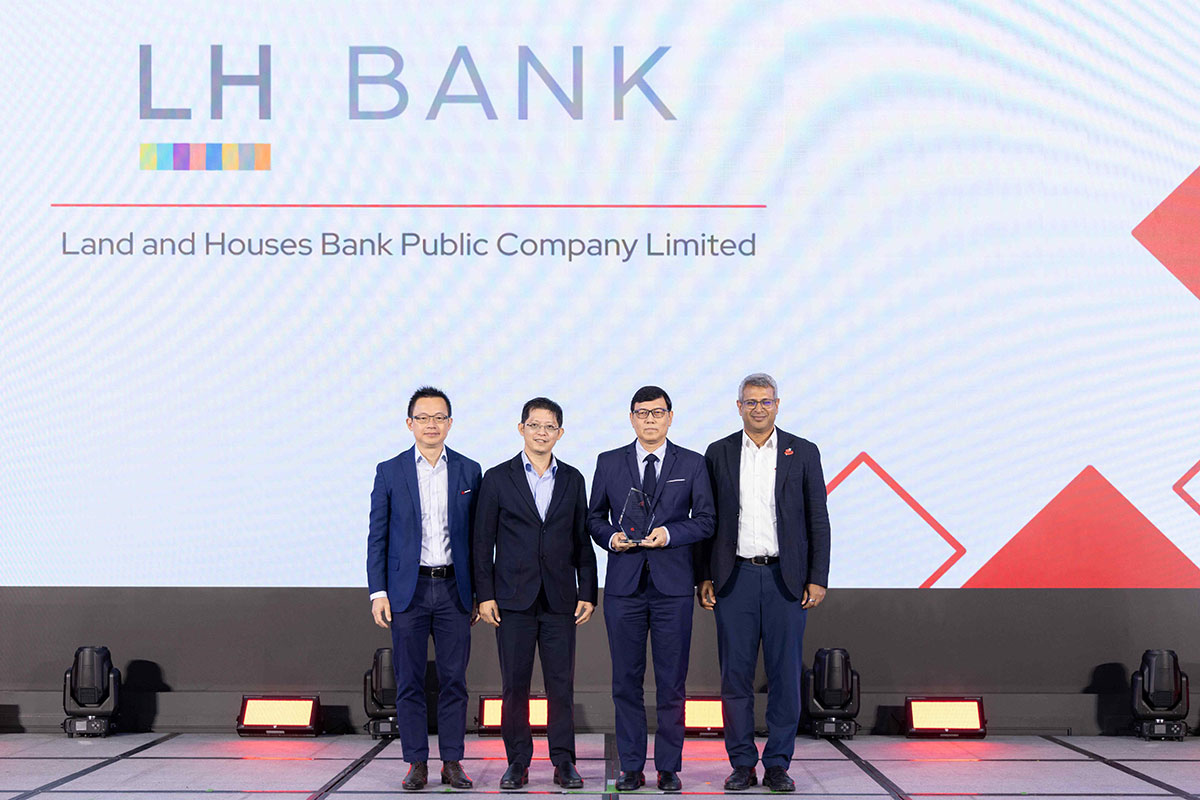
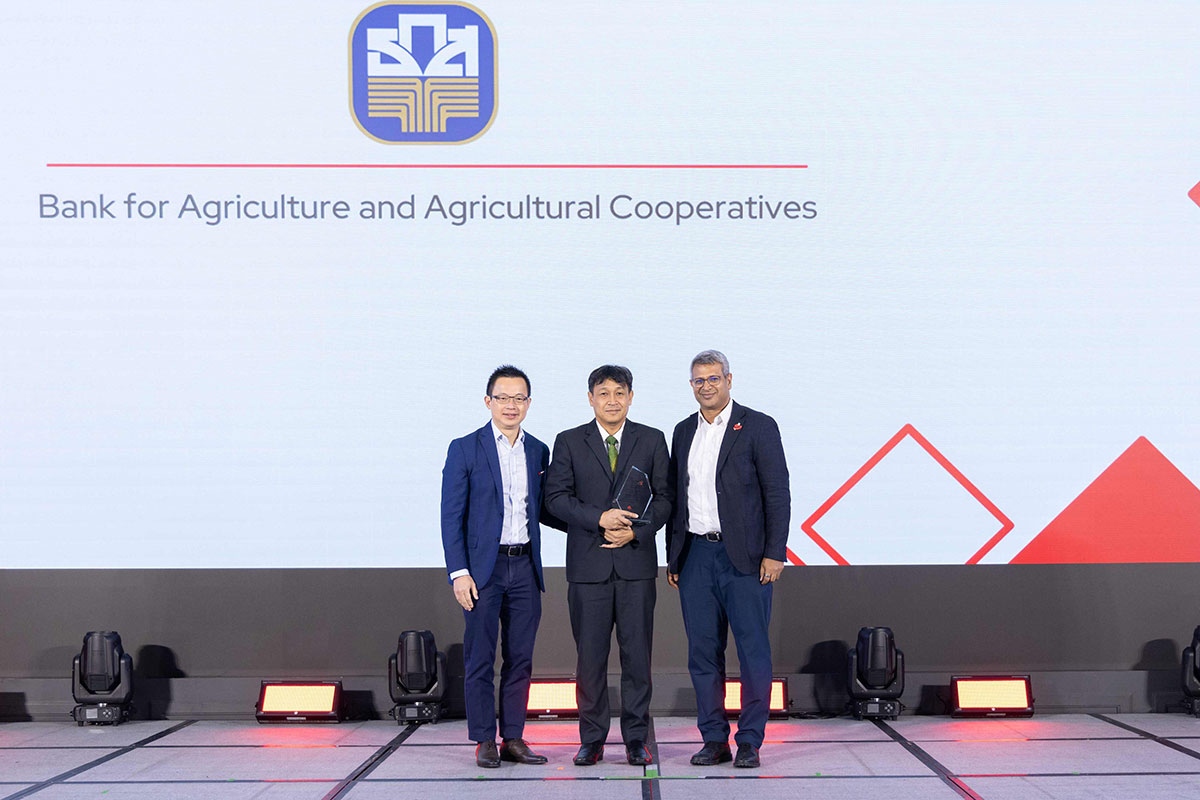
Red Hat, the world’s leading provider of open source solutions, today announced the winners of the Red Hat APAC Innovation Awards 2025 for Thailand. This year, Red Hat is celebrating Bank for Agriculture and Agricultural Cooperatives and Land and Houses Bank Public Company Limited for their forward thinking use of open source to drive innovation, enable transformation and create meaningful impact across their organizations.

Embodying this year’s theme, “Unlock what’s next,” the Red Hat APAC Innovation Awards 2025 celebrates customers turning these trends into tangible results. The awards recognize 30 winners across the region whose inventive use of Red Hat’s open source technologies has sparked innovation, strengthened competitiveness, and delivered lasting value for their industries, customers, and employees. These organizations demonstrate how open source empowers enterprises to reimagine possibilities, navigate complexity, and seize new opportunities in an evolving landscape to define future competitiveness.

The awards comprise five categories: Digital Transformation, Hybrid Cloud Infrastructure, Cloud-native Development, Automation – and the newly added AI and Emerging Tech. 

Category: Digital Transformation and Hybrid Cloud Infrastructure

Winner: Bank for Agriculture and Agricultural Cooperatives


เร้ดแฮทประกาศ ธนาคารเพื่อการเกษตรและสหกรณ์การเกษตร และ ธนาคารแลนด์ แอนด์ เฮ้าส์ จำกัด (มหาชน) คว้าชัยความเป็นเลิศด้านโอเพ่นซอร์ส Red Hat APAC Innovation Awards 2025

The Bank for Agriculture and Agricultural Cooperatives (BAAC) is a Thai, state-owned bank dedicated to supporting farmers and rural communities. To safeguard this critical role, the organization set out on a digital transformation journey to modernize its core systems and strengthen competitiveness. Facing inefficiencies from fragmented infrastructure and rising regulatory demands, the bank needed a more reliable, secure, and flexible foundation for innovation.

To build a more resilient and future-ready platform, BAAC turned to Red Hat OpenShift, replacing its legacy systems with a unified solution for containers and virtual machines. This new hybrid cloud infrastructure has reduced reliance on legacy systems, lowered costs, and strengthened security and compliance, while enabling faster delivery of new digital services. These improvements have helped BAAC enhance resilience and efficiency at scale, ensuring Thailand’s farmers and rural communities benefit from more stable, innovative, and accessible financial services.

Category: Digital Transformation 

Winner: Land and Houses Bank Public Company Limited

As a leading financial institution in Thailand, Land and Houses Bank Public Company Limited (LH Bank) focuses on delivering retail, corporate, and SME banking services. In pursuit of its vision to be a modern, customer-centric bank, LH Bank sought to accelerate application development, improve digital experiences, and expand into new business segments, all while navigating limited IT resources and complex legacy systems. The bank needed a trusted technology partner to help modernize its applications and strengthen its infrastructure.

By adopting Red Hat OpenShift to modernize its flagship mobile banking applications, Profita and LHB You, LH Bank has transformed how it designs and delivers customer services, making apps more user-friendly, feature-rich, and scalable. The bank has since extended OpenShift to internal systems, enabling agile development and improved resource efficiency, while ensuring enterprise-grade security and reliability. This holistic approach has boosted productivity, sped up time to market, and reinforced LH Bank’s ability to offer secure, innovative digital experiences that drive growth and meet the evolving needs of customers across Thailand.

Supporting Quotes
Marjet Andriesse, senior vice president and general manager, APJC, Red Hat

“The pace of change in Asia Pacific shows no signs of slowing, especially as AI becomes a core driver of business transformation. Despite these demands, our customers have delivered remarkable results, showing that innovation thrives when paired with open source. The Red Hat APAC Innovation Awards 2025 are an opportune time to recognize and celebrate these achievements, highlighting how our customers are unlocking what’s next and shaping a future defined by creativity, resilience, and impact.”

Tongkum Kadchoti, Senior Executive Vice President, Bank for Agriculture and Agricultural Cooperatives

“At BAAC, we see technology as a way to improve both our operations and the services we deliver to farmers and rural communities. With Red Hat’s enterprise solutions, we have simplified our IT into a single, powerful platform that accelerates application development and reduces time to market. This project not only strengthens our own competitiveness, but also serves as a reference point for the industry, showing what is possible with open source. As an early adopter, we value open technologies that give us flexibility without vendor lock-in, ensuring we can continue to innovate and grow with confidence.”

Ekkapob Orkbua, First Senior Vice President, Information Technology Infrastructure, Land and Houses Bank Public Company Limited
“Modernizing our core applications with Red Hat OpenShift has allowed us to deliver faster, more secure, and more reliable digital services to our customers. Thanks to Red Hat’s enterprise, open source technologies and expertise, our teams have gained the agility and efficiency needed to innovate quickly and support the bank’s growth. This collaboration highlights how open source is helping us strengthen competitiveness and expand financial access for individuals and businesses across Thailand.”