Ericsson & depa Join Forces to Drive 5G Digital Transformation in Thailand

Ericsson & depa Join Forces to Drive 5G Digital Transformation in Thailand

Ericsson & depa Join Forces to Drive 5G Digital Transformation in Thailand

    • Collaboration will focus on driving digitization in Thailand
    • An innovation lab to be set up in Thailand Digital Valley that will serve as a 5G testbed

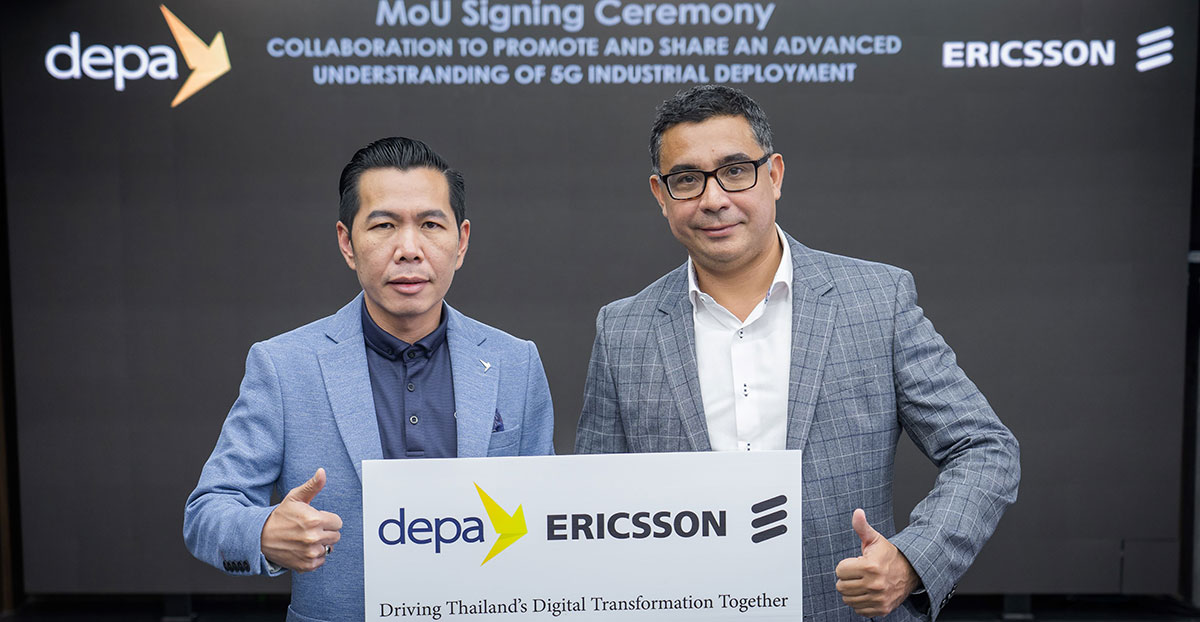
Ericsson (NASDAQ: ERIC) and the Digital Economy Promotion Agency (depa) today signed a Memorandum of Understanding to collaborate towards driving 5G based digital transformation in Thailand. The collaboration entails sharing best practices, advanced understanding and Ericsson’s state-of-the-art technology to accelerate Thailand’s journey towards becoming a digital economy.

As part of the MoU, Ericsson and depa will establish an innovation lab (Innolab) in depa’s Thailand Digital Valley in Chonburi province that will serve as a 5G testbed and service center for trials of new wireless and network technologies, spectrum sharing, as well as new applications and services in Thailand.

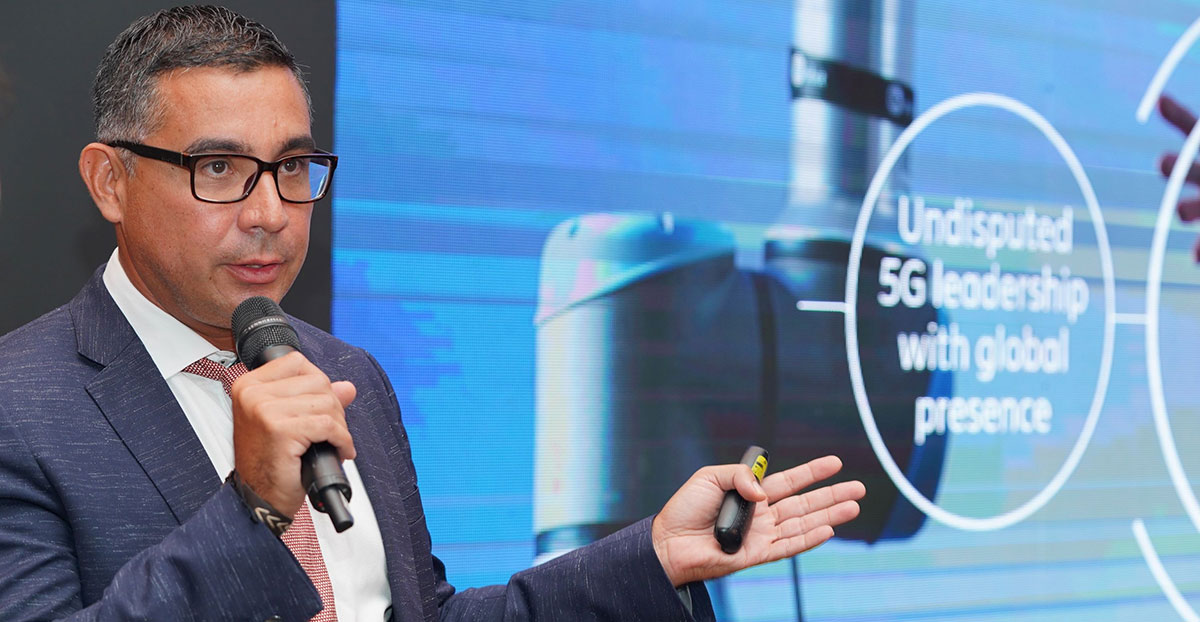
“Ericsson will continue to work closely with key stakeholders to drive the vision of Thailand 4.0 and support the development of the 5G ecosystem. As the global 5G technology leader, Ericsson will bring its state-of-the -art technology and solutions together with our global experience and expertise to realize Thailand’s goal of becoming a digital economy and society,” states Igor Maurell, Head of Ericsson Thailand.

“We will be working with Ericsson as our strategic partner in driving the ecosystem development in Thailand. Our key mission is to partner with stakeholders in the industry to come up with strategic plans to enhance the digital economy together with fostering innovations that are relevant to depa’s goal of creating better living and bolstering the competitiveness of the country,” said Asst.Prof. Dr. Nuttapon Nimmanphatcharin, depa’s President & CEO.

The collaboration also aims at creating new opportunities for business development, capability and skill development and encouraging foreign direct investments, while strengthening the role of Thailand Digital Valley in the development of next generation 5G products, services, and applications.

Both organizations share their common goal of supporting 5G based innovation and applications across sectors ranging from manufacturing, service, smart city, agriculture to social development. They also aim to bolster knowledge sharing and develop training programs in terms of technology, applied cases and regulations.

“Digital infrastructure plays a critical role in our society, with communication technologies help to address social, environmental, and economic challenges all across the globe,” Igor said. “We are working to ensure that the robust 5G network platform of today continues to evolve towards the 6G era, delivering new capabilities and superior performance.”

Ericsson is a global 5G leader and today powers 134 live 5G networks in 59 countries with 17 live 5G standalone networks across the world.
อีริคสันและดีป้าผนึกกำลังร่วมกันขับเคลื่อนการทำดิจิทัลทรานส์ฟอร์เมชันด้วยเครือข่าย 5G ในประเทศไทย

อีริคสันและดีป้าผนึกกำลังร่วมกันขับเคลื่อนการทำดิจิทัลทรานส์ฟอร์เมชันด้วยเครือข่าย 5G ในประเทศไทย

อีริคสันและดีป้าผนึกกำลังร่วมกันขับเคลื่อนการทำดิจิทัลทรานส์ฟอร์เมชันด้วยเครือข่าย 5G ในประเทศไทย

    • โดยความร่วมมือในครั้งนี้มุ่งช่วยขับเคลื่อนประเทศไทยให้เดินหน้าไปสู่ดิจิทัล
    • พร้อมเตรียมจัดตั้งห้องปฏิบัติการด้านนวัตกรรม (Innovation Lab) ใน Thailand Digital Valley เพื่อเป็นสนามทดสอบเครือข่าย 5G

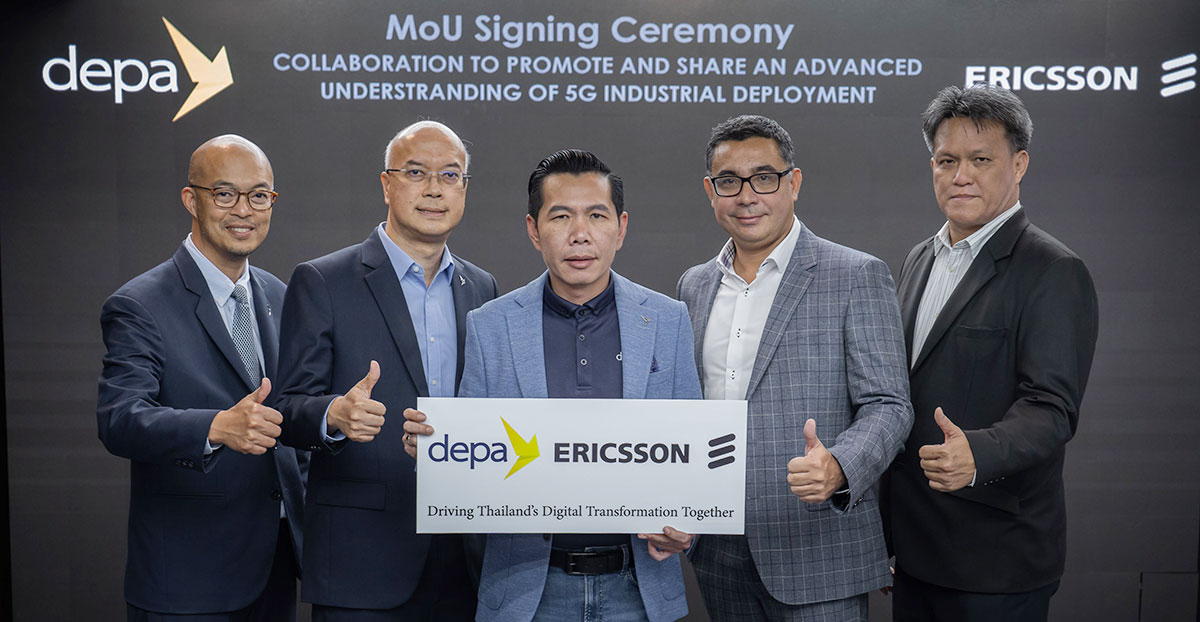
อีริคสัน (NASDAQ: ERIC) และสำนักงานส่งเสริมเศรษฐกิจดิจิทัล หรือ ดีป้า ลงนามในบันทึกข้อตกลงความร่วมมือ (MoU) เพื่อขับเคลื่อนการทำดิจิทัลทรานส์ฟอร์มเมชันผ่านการใช้เครือข่าย 5G ในประเทศไทย ซึ่งความร่วมมือดังกล่าวจะประกอบด้วยการแบ่งปันแนวทางปฏิบัติที่ดีที่สุด ความรู้ความเข้าใจขั้นสูง และเทคโนโลยีล้ำสมัยของอีริคสันเพื่อเร่งเดินหน้าประเทศไทยไปสู่เศรษฐกิจดิจิทัล

ส่วนหนึ่งในบันทึกข้อตกลงความร่วมมือนี้ยังระบุว่า อีริคสันและดีป้าจะจัดตั้งห้องปฏิบัติการด้านนวัตกรรม (Innolab) ใน Thailand Digital Valley ของดีป้าในจังหวัดชลบุรี เพื่อทำหน้าที่เป็นศูนย์ทดสอบเครือข่าย 5G และศูนย์บริการสำหรับการทดสอบเทคโนโลยีเครือข่ายไร้สายและเครือข่ายใหม่ ๆ อาทิ การแบ่งปันคลื่นความถี่ (Spectrum Sharing) ตลอดจนการพัฒนาแอปพลิเคชันและบริการดิจิทัลใหม่ ๆ ในประเทศไทย

 มร. อิกอร์ มอเรล ประธานบริษัท อีริคสัน ประเทศไทย กล่าวว่า “อีริคสันจะทำงานอย่างใกล้ชิดกับพันธมิตรต่าง ๆ เพื่อขับเคลื่อนวิสัยทัศน์ Thailand 4.0 พร้อมสนับสนุนการพัฒนาระบบนิเวศ 5G ในฐานะผู้นำเทคโนโลยี 5G ระดับโลก อีริคสันจะนำเทคโนโลยีและโซลูชันล้ำสมัยมาผสานรวมเข้ากับประสบการณ์และความเชี่ยวชาญระดับโลกของเรา เพื่อช่วยให้ประเทศไทยบรรลุเป้าหมายในการสร้างเศรษฐกิจและสังคมดิจิทัล”

ผศ.ดร.ณัฐพล นิมมานพัชรินทร์ ผู้อำนวยการใหญ่ สำนักงานส่งเสริมเศรษฐกิจดิจิทัล หรือ ดีป้า กล่าวว่า “เราจะทำงานร่วมกับอีริคสันในฐานะพันธมิตรเชิงกลยุทธ์ (Strategic Partner) ของเรา เพื่อผลักดันการพัฒนาระบบนิเวศดิจิทัลในประเทศไทย ทั้งนี้การร่วมมือกับพันธมิตรต่าง ๆ ในอุตสาหกรรมจัดทำแผนยุทธศาสตร์สำหรับยกระดับเศรษฐกิจดิจิทัลควบคู่ไปกับการส่งเสริมนวัตกรรม ถือเป็นอีกภารกิจสำคัญของดีป้า โดยมุ่งสู่การสร้างความเป็นอยู่ที่ดีขึ้นและเพิ่มขีดความสามารถในการแข่งขันของประเทศ”

ความร่วมมือนี้ยังช่วยสร้างโอกาสใหม่ ๆ ในการพัฒนาธุรกิจ พัฒนาศักยภาพและทักษะของบุคลากร รวมถึงกระตุ้นการลงทุนโดยตรงจากต่างประเทศ ขณะเดียวกันยังเป็นกลไกขับเคลื่อนระบบนิเวศดิจิทัลครบวงจรที่จะเกิดขึ้นใน Thailand Digital Valley ทั้งการพัฒนาผลิตภัณฑ์ บริการ และแอปพลิเคชัน 5G ในเจเนอเรชั่นถัดไป

นอกจากนี้อิริคสันและดีป้ายังมีเป้าหมายร่วมกันในการสนับสนุนนวัตกรรมและแอปพลิเคชันที่พัฒนาขึ้นจากเครือข่าย 5G ให้เกิดขึ้นในประเทศไทยทั่วทั้งภาคส่วนต่าง ๆ ตั้งแต่ ภาคการผลิต การบริการ การพัฒนาสมาร์ทซิตี้ การเกษตร ไปจนถึงการพัฒนาสังคม อีกทั้งยังส่งเสริมการแบ่งปันองค์ความรู้และร่วมกันพัฒนาโปรแกรมฝึกอบรมด้านเทคโนโลยี การนำกรณีการใช้งาน 5G ต่าง ๆ มาปรับใช้ให้เกิดประโยชน์ รวมถึง กฎระเบียบที่เกี่ยวข้อง

“โครงสร้างพื้นฐานดิจิทัลมีบทบาทสำคัญในสังคมของเรา ด้วยเทคโนโลยีการสื่อสารต่าง ๆ ช่วยให้เราจัดการกับความท้าทายทางสังคม สิ่งแวดล้อม และทางเศรษฐกิจที่เกิดขึ้นทั่วโลก ดังนั้นเราจึงมุ่งมั่นทำงานเพื่อให้ทุกภาคส่วนมั่นใจว่าแพลตฟอร์มเครือข่าย 5G ที่มีประสิทธิภาพสูง ณ ปัจจุบันจะเดินหน้าพัฒนาไปสู่ยุค 6G พร้อมส่งมอบความสามารถใหม่ ๆ และประสิทธิภาพที่เหนือกว่า” มร อิกอร์ กล่าวเพิ่มเติม

อีริคสันเป็นผู้นำเครือข่าย 5G ระดับโลก ปัจจุบัน บริษัทฯ ได้ขยายการให้บริการเครือข่าย 5G ไปแล้วจำนวน 134 เครือข่าย ใน 59 ประเทศ พร้อมเครือข่าย 5G แบบ Standalone จำนวน 17 เครือข่ายทั่วโลก

Ericsson Mobility Report: Global 5G growth amid macroeconomic challenges

Ericsson Mobility Report: Global 5G growth amid macroeconomic challenges

Ericsson Mobility Report: Global 5G growth amid macroeconomic challenges

    • 5G continues to scale faster than any previous mobile generation
    • 5G mobile subscriptions expected to reach five billion by the end of 2028
    • Fixed Wireless Access forecast increased and now estimated to top 300 million connections within six years

Global 5G subscriptions remain on track to top one billion by the end of this year, and five billion by the end of 2028, despite current and developing economic challenges in many parts of the world. The November 2022 edition of the Ericsson (NASDAQ: ERIC) Mobility Report also forecasts global fixed wireless access (FWA) connections to grow faster than previously expected.

FWA – the wireless alternative to wireline broadband connectivity for homes and businesses – is one of the major early 5G use cases, particularly in regions with unserved or underserved broadband markets.

Driven in part by accelerated FWA plans in India, and expected growth in other emerging markets, FWA is forecast to grow at 19 percent year-on-year through 2022-28, and top 300 million connections by the end of 2028.

More than three-quarters of communications service providers (CSPs) surveyed in more than 100 countries currently offer FWA services. Almost one-third of CSPs are offering FWA over 5G, compared to one-fifth a year ago. Almost 40 percent of the new 5G FWA launches in the past 12 months have been in emerging markets

On 5G itself, about 110 million subscriptions were added globally between July-September 2022, bringing the total to about 870 million. As forecast in previous reports, 5G is still expected to reach one billion subscriptions by the end of this year – two years faster than 4G did, following its launch.

The statistic reinforces 5G as the fastest-scaling mobile connectivity generation. Key drivers include the timely availability of devices from multiple vendors, with prices falling faster than for 4G, and China’s large early 5G deployments.

North America and North East Asia continue to see strong 5G growth, with 5G subscription penetration in the regions expected to reach about 35 percent by end of 2022. 

Globally, almost 230 CSPs have launched 5G services to date, with more than 700 5G smartphone models announced or launched commercially.

By the end of 2028, five billion 5G subscriptions are forecast globally, accounting for 55 percent of all subscriptions. In that same timeframe, 5G population coverage is projected to reach 85 percent while 5G networks are expected to carry around 70 percent of mobile traffic and account for all contemporary traffic growth.

Fredrik Jejdling, Executive Vice President and Head of Networks, Ericsson, says: “Communications Service providers continue to deploy 5G and the momentum for Fixed Wireless Access is accelerating. Moreover, global mobile network data traffic is practically doubling every two years. As described in this edition of the Ericsson Mobility Report, service providers are taking actions to deploy the latest generation of energy-efficient radio hardware and software, increase the use of renewable energy sources, and operate site infrastructure intelligently to reduce the environmental impact.”

In Southeast Asia and Oceania, it is expected that most major service providers by the end of 2028 will have launched commercial 5G services. Many service providers are shutting down 2G and 3G services, in order to re-farm spectrum for 4G and 5G networks.

5G subscriptions in the region are anticipated to reach around 620 million by end-2028, meaning 5G will become the leading technology in terms of subscriptions, with a penetration rate of 48 percent.

5G adoption and growing consumer usage of new immersive services are key factors for growing mobile data usage in the region. Mobile traffic per smartphone is expected to reach around 54 GB per month in 2028, a CAGR of almost 30 percent. Total mobile data traffic is expected to grow by a factor of 5 between 2022 and 2028.

”Thailand is a vibrant market for 5G where the first wave of 5G adoption is already seeing more than 15% of the population enjoying the ultra-fast network,” said Igor Maurell, Head of Ericsson Thailand. ”The country is heading towards the second wave of 5G subscriptions by 2025 when the majority of the population is expected to subscribe to 5G.”

Meantime, global 4G subscription numbers also continue to rise, growing by about 41 million between July and September 2022. Global 4G subscriptions are expected to reach a peak of about 5.2 billion around the end of this year.

Overall mobile subscriptions are expected to top 8.4 billion by the end of 2022, and 9.2 billion by the end of 2028. Most subscriptions are associated with smartphones. At the end of 2022, 6.6 billion smartphone subscriptions are estimated, accounting for about 79 percent of all mobile phone subscriptions

The latest report also highlights the importance of reducing environmental impact. The telecommunications sector has a key role to play in addressing global sustainability goals, both by reducing its own emissions and through its potential to reduce carbon emissions across other industries.

To reduce the environmental impact, the growing data traffic needs to be managed with smart network modernization combined with a balanced approach to network performance.

The November 2022 Ericsson Mobility Report includes three in-depth articles:           

    • Network modernization – on the quest for Net Zero
    • Cooperation and collaborating: Building Finland’s next-generation public safety network
    • Digitalization enables enterprises to reach Net Zero

Ericsson will host an Ericsson Mobility Report-focused webinar at 09.00 (CET) and 19.00 (CET) on Wednesday, November 30. To join please register here

รายงาน Ericsson Mobility Report ฉบับล่าสุด เผยแนวโน้ม 5G ทั่วโลกยังคงเติบโตสวนกระแสเศรษฐกิจ

Ericsson Mobility Report: Global 5G growth amid macroeconomic challenges

รายงาน Ericsson Mobility Report ฉบับล่าสุด เผยแนวโน้ม 5G ทั่วโลกยังคงเติบโตสวนกระแสเศรษฐกิจ

    • 5G ยังคงขยายตัวรวดเร็วกว่าเจเนอเรชั่นเครือข่ายมือถือที่ผ่านมา
    • ภายในสิ้นปี 2571 คาดว่าตัวเลขผู้ใช้บริการมือถือ 5G จะเพิ่มเป็น 5 พันล้านราย
    • คาดการณ์บริการ Fixed Wireless Access เติบโตสูงขึ้น และจะมีการเชื่อมต่อสูงถึง 300 ล้านครั้งภายในหกปี

อีริคสัน (NASDAQ: ERIC) เผยรายงาน Ericsson Mobility Report ฉบับล่าสุด เดือนพฤศจิกายน 2565 ระบุจำนวนผู้ใช้บริการ 5G ทั่วโลกเติบโตตามที่คาดการณ์ไว้ที่ 1 พันล้านราย ภายในสิ้นปี 2565 และจะเพิ่มเป็น 5 พันล้านราย ภายในสิ้นปี 2571 แม้ต้องเผชิญกับความท้าทายทางเศรษฐกิจที่กำลังแผ่ขยายไปในหลายพื้นที่ต่าง ๆ ของโลก พร้อมคาดการณ์ว่าการเชื่อมต่อผ่านบริการ Fixed Wireless Access (FWA) ทั่วโลกจะเติบโตรวดเร็วยิ่งขึ้นกว่าเดิมจากที่เคยคาดไว้

FWA คือบริการเชื่อมต่อแบบไร้สายที่จะเข้ามาแทนที่การเชื่อมต่อบรอดแบนด์แบบผ่านสายสัญญาณสำหรับการใช้งานตามบ้านและธุรกิจ ที่เป็นรูปแบบการใช้งาน 5G หลัก ๆ แบบหนึ่งในยุคแรก โดยเฉพาะอย่างยิ่งในภูมิภาคที่ไม่มีบริการบรอดแบนด์หรือในตลาดที่บริการบรอดแบนด์ยังครอบคลุมไม่ทั่วถึง

แรงหนุนมาจากแผนกระตุ้นการนำ FWA มาใช้งานในประเทศอินเดีย และการคาดการณ์แนวโน้มการเติบโตในตลาดเกิดใหม่อื่น ๆ ทำให้ FWA ได้รับการคาดการณ์ว่าจะเติบโตเฉลี่ย 19% ต่อปีในช่วงระหว่างปี 2565-2571 และจะมีปริมาณการเชื่อมต่อสูงสุดถึง 300 ล้านครั้ง ในช่วงสิ้นปี 2571

จากการสำรวจผู้ให้บริการด้านการสื่อสาร (CSP) ในกว่า 100 ประเทศ พบว่ามากกว่าสามในสี่เปิดให้บริการ FWA ในปัจจุบัน และเกือบหนึ่งในสามเปิดบริการ FWA บนเครือข่าย 5G เพิ่มขึ้นจากปีที่แล้วที่มีสัดส่วนเพียงหนึ่งในห้า โดยในช่วง 12 เดือนที่ผ่านมา พบว่าเกือบ 40% ของบริการ 5G FWA ใหม่ เปิดให้บริการอยู่ในตลาดเกิดใหม่

ในช่วงเดือนกรกฎาคม-กันยายน ปี 2565 มีจำนวนผู้ใช้บริการ 5G รายใหม่เพิ่มขึ้น 110 ล้านรายทั่วโลก ทำให้ยอดรวมเพิ่มเป็น 870 ล้านราย ตามที่คาดการณ์ไว้ในรายงานก่อนหน้านี้ เผยให้เห็นว่าจำนวนผู้ใช้บริการ 5G จะยังคงเพิ่มขึ้นเป็น 1 พันล้านรายภายในสิ้นปีนี้ นับว่าขยายตัวรวดเร็วกว่าเครือข่าย 4G ถึงสองปี หลังเปิดให้บริการ

จากสถิติดังกล่าว ยังตอกย้ำให้เห็นว่า เครือข่าย 5G เป็นเจเนอเรชั่นเครือข่ายมือถือที่เติบโตรวดเร็วที่สุด โดยมีปัจจัยขับเคลื่อนสำคัญ ประกอบด้วย อุปกรณ์ที่รองรับการใช้งานและพร้อมวางขายจากผู้จำหน่ายหลากหลายราย และราคาที่ลดลงเร็วกว่าสำหรับการใช้บริการ 4G รวมถึงการนำเครือข่าย 5G มาปรับใช้จำนวนมากในช่วงระยะแรกของประเทศจีน

5G ในภูมิภาคอเมริกาเหนือและเอเชียตะวันออกเฉียงเหนือยังคงเติบโตอย่างแข็งแกร่ง โดยคาดการณ์ว่าภายในสิ้นปี 2565 จำนวนผู้ใช้บริการ 5G ในภูมิภาคทั้งสองนี้จะเพิ่มสูงขึ้นราว 35%

ปัจจุบันมีผู้ให้บริการด้านการสื่อสารจำนวนเกือบ 230 รายทั่วโลกที่เปิดให้บริการ 5G และมีสมาร์ทโฟนรองรับเครือข่าย 5G เปิดตัวและวางจำหน่ายในตลาดมากกว่า 700 รุ่น

ภายในสิ้นปี 2571 จำนวนผู้ใช้บริการ 5G ทั่วโลกจะเพิ่มขึ้นเป็น 5 พันล้านราย หรือคิดเป็น 55% ของผู้สมัครใช้บริการเครือข่ายมือถือทั้งหมด และคาดว่าความครอบคลุมของประชากร 5G จะสูงถึง 85% โดยเครือข่าย 5G จะรองรับการใช้ดาต้าบนมือถือได้ราว 70% ของดาต้าบนมือถือทั้งหมด และมีส่วนในการเติบโตของดาต้าโดยรวม

เฟรดริก เจดลิง รองประธานผู้บริหารและหัวหน้าเครือข่ายของอีริคสันกล่าวว่า “ผู้ให้บริการด้านการสื่อสารยังเดินหน้านำเครือข่าย 5G พร้อมบริการ Fixed Wireless Access มาปรับใช้อย่างต่อเนื่อง โดยในทุกสองปีมีปริมาณการรับ-ส่งข้อมูลบนเครือข่ายมือถือทั่วโลกเพิ่มขึ้นสองเท่า ตามที่ระบุไว้ในรายงาน Ericsson Mobility Report ฉบับล่าสุด ผู้ให้บริการกำลังดำเนินการเพื่อปรับใช้ฮาร์ดแวร์และซอฟต์แวร์ของคลื่นวิทยุรุ่นล่าสุดที่มีประสิทธิภาพด้านพลังงาน เพื่อเพิ่มการใช้แหล่งพลังงานหมุนเวียนและใช้งานโครงสร้างพื้นฐานอัจฉริยะเพื่อลดผลกระทบต่อสิ่งแวดล้อม”

ภายในสิ้นปี 2571 คาดว่าผู้ให้บริการส่วนใหญ่ในเอเชียตะวันออกเฉียงใต้และโอเชียเนียจะเปิดให้บริการ 5G เชิงพาณิชย์ โดยหลายรายกำลังจะยุติบริการบนเครือข่าย 2G และ 3G เพื่อนำคลื่นความถี่มาใช้รองรับเครือข่าย 4G และ 5G

ภายในสิ้นปี 2571 อีริคสันคาดว่าปริมาณผู้ใช้บริการ 5G ในภูมิภาคฯ จะมีถึง 620 ล้านราย  ตอกย้ำให้เห็นว่าเครือข่าย 5G จะกลายเป็นเทคโนโลยีชั้นนำในการสมัครใช้บริการ โดยมีอัตราการเข้าถึงเครือข่ายที่ 48%

การใช้ 5G และการใช้บริการเสมือนจริงใหม่ ๆ ที่เพิ่มขึ้นของผู้บริโภคเป็นปัจจัยสำคัญต่อการเติบโตของยอดการใช้ข้อมูลบนมือถือในภูมิภาคฯ คาดว่าในปี 2571 ยอดการใช้ดาต้าบนมือถือต่อสมาร์ทโฟนจะสูงถึง 54 กิ๊กกะไบท์ต่อเดือน หรือเติบโตเฉลี่ยเกือบ 30% ต่อปี โดยคาดว่าปริมาณการใช้ดาต้าบนมือถือทั้งหมดจะเพิ่มขึ้นถึง 5 เท่า ระหว่างปี 2565-2571

มร.อิกอร์ มอเรล ประธานบริษัท อีริคสัน ประเทศไทย กล่าวว่า “ประเทศไทยเป็นตลาดที่มีศักยภาพสำหรับเครือข่าย 5G ซึ่งเราเห็นผลลัพธ์ของการนำ 5G มาปรับใช้ในช่วงแรก พบว่าประมาณ 15% ของประชากรได้เข้ามาใช้งานเครือข่าย 5G  โดยประเทศไทยกำลังมุ่งหน้าไปสู่การเติบโตระลอกที่สองจากการสมัครใช้บริการ 5G โดยภายในปี 2571 เราคาดว่าประชากรส่วนใหญ่ของประเทศจะเข้าถึงบริการ 5G”

ขณะเดียวกัน ตัวเลขผู้ใช้บริการ 4G ทั่วโลกยังคงเพิ่มขึ้นต่อเนื่อง โดยในช่วงเดือนกรกฎาคมถึงกันยายน 2565 เพิ่มขึ้นอีกประมาณ 41 ล้านราย และคาดว่าภายในสิ้นปีนี้จะมีผู้ใช้บริการ 4G ทั่วโลกเพิ่มขึ้นถึงจุดสูงสุดที่ 5.2 พันล้านราย

ภายในสิ้นปี 2565 คาดว่าผู้ใช้บริการมือถือทั้งหมดจะมีสูงถึง 8.4 พันล้านราย และเพิ่มเป็น 9.2 พันล้านราย ภายในสิ้นปี 2571 โดยผู้ใช้งานมือถือส่วนใหญ่จะใช้งานผ่านสมาร์ทโฟน และสิ้นปี 2565 คาดว่าจำนวนผู้ใช้สมาร์ทโฟนจะเพิ่มเป็น 6.6 พันล้านราย หรือคิดเป็น 79% ของยอดผู้ใช้โทรศัพท์มือถือทั้งหมด

รายงานฉบับล่าสุดยังย้ำความสำคัญในการลดผลกระทบต่อสิ่งแวดล้อม โดยภาคโทรคมนาคมถือว่ามีบทบาทสำคัญในการบรรลุเป้าหมายด้านความยั่งยืนระดับโลก ทั้งลดการปล่อยก๊าซคาร์บอนฯ ด้วยตัวเองและผ่านการดำเนินงานที่มีศักยภาพในอุตสาหกรรมอื่น ๆ

เพื่อเป็นการช่วยลดผลกระทบต่อสิ่งแวดล้อม การรับ-ส่งข้อมูลที่มีปริมาณเพิ่มขึ้นจำเป็นต้องได้รับการจัดการด้วยเครือข่ายอัจฉริยะที่มีความทันสมัย ผสมผสานกับแนวทางการเพิ่มประสิทธิภาพให้เครือข่ายอย่างสมดุล

รายงาน Ericsson Mobility ประจำเดือนพฤศจิกายน 2565 รวบรวมบทความเชิงลึกอีก 3 บทความ ประกอบด้วย:

    • Network modernization – on the quest for Net Zero
    • Cooperation and collaborating: Building Finland’s next-generation public safety network
    • Digitalization enables enterprises to reach Net Zero

นอกจากนี้อีริคสันยังเป็นเจ้าภาพจัดเว็บบินาร์ เผยข้อมูลรายงาน Ericsson Mobility Report ในเวลา 09.00 น. (ตามเวลาในยุโรป) และ 19.00 น. (ตามเวลาในยุโรป) ในวันพุธที่ 30 พฤศจิกายน ศกนี้ หากต้องการเข้าร่วม โปรดลงทะเบียนที่นี่

Ericsson’s largest consumer study shows 5G is already paving the path to the metaverse

Ericsson’s largest consumer study shows 5G is already paving the path to the metaverse

Ericsson’s largest consumer study shows 5G is already paving the path to the metaverse

    • Ericsson ConsumerLab’s 5G: The Next Wave report is the largest consumer 5G research to date.  
    • Compared to 4G users – 5G users spend an average of one hour per-week more on metaverse-related services, such as gaming in virtual worlds, and augmented reality (AR).  
    • Half of 5G consumers who already use extended-reality (XR) related services believe AR apps will move from smartphones to XR headsets within two years 

As 5G uptake in many parts of the world bridges the milestone from early adopters to mass adoption, major new Ericsson (NASDAQ: ERIC) research – the industry’s largest global study of its kind to date – underlines consumers’ growing commitment to 5G and their expectations on next-generation uses cases. 

Called 5G: The Next Wave, the Ericsson ConsumerLab report addresses the impact 5G has had on early adopter consumers since launching in various countries, as well as gauging the intention of non-5G subscribers to take up the technology – and their related expectations. The report forecasts that at least 30 percent of smartphone users intend to take up a 5G subscription within the next year. 

The mix of Ericsson tracking data covering 5G launches since 2019, and the new consumer survey, has enabled Ericsson ConsumerLab to identify six key trends impacting the next wave of 5G adoption.  

The report covers the behavioral changes triggered by the bundling of digital services into 5G plans by communications service providers – particularly the increased use of enhanced video and augmented reality (AR) apps.   

The report also addresses the speed of mainstream 5G adoption, whether consumer demands are being met, and 5G-related changes in smartphone behavior – and their impact on network traffic.  

More than 49,000 consumers in 37 countries were interviewed in the research – the largest global 5G-related consumer survey in the industry to date and the largest consumer survey conducted by Ericsson on any topic.

The survey scope is representative of the opinions of about 1.7 billion consumers worldwide, including 430 million 5G subscribers. 

Igor Maurell, Head of Ericsson Thailand says: “The scale of the research gives us an authentic insight into consumers’ views and attitudes to 5G. The report shows that the next wave of potential 5G users have different expectations from the technology compared to early adopters. Overall, consumers see engaging with 5G as an essential part of their future lifestyles.” 

He adds: “It is interesting to note that 5G is emerging as an important enabler for early adopters to embrace metaverse-related services, such as socializing, playing and buying digital items in interactive 3D virtual gaming platforms. The amount of time spent on augmented reality apps by 5G users has also doubled over the past two years, compared to 4G users.” 

The report forecasts that 5G consumers with experience of using extended reality (XR) functionality are likely to be the first to embrace future devices as they are more positive about the potential of mixed-reality glasses. Half of 5G users who already use XR-related services weekly think that AR apps will move from smartphones to XR headsets within the next two years, compared to one-third of 4G consumer who hold this view.  

5G – the Next Wave Report: Six key trends 

    • 5G adoption to be inflation resilient: At least 510 million consumers across 37 markets are likely to take up 5G in 2023.  
    • The demanding next wave of users: The next wave of 5G users have high expectations on 5G performance, especially network coverage, compared to early adopters — who care about new innovative services enabled by 5G. 
    • Perceived 5G availability is emerging as the new satisfaction benchmark among consumers. Geographical coverage, indoor/outdoor coverage, and congregation hot-spot coverage are more important to building a user perception than population coverage.  
    • 5G is pushing up usage of enhanced video and augmented reality. Over the past two years, time spent on AR apps by 5G users has doubled to two hours per week. 
    • 5G monetization models are expected to evolve: Six in 10 consumers expect 5G offerings to move beyond more data volume and speeds to on-demand tailored network capabilities for specific needs. 
    • 5G adoption is setting the path to the metaverse. 5G users on average are already spending one hour more per-week in metaverse-related services than 4G users. They also expect two hours of more video content will be consumed weekly on mobile devices, 1.5 hours of which will be on AR/VR glasses by 2025. 

Thailand – According to the study, consumer 5G readiness is high in Thailand. 47 percent of users intend to sign up for 5G subscription in 2023. Furthermore, around 9 in 10 existing 5G users in Thailand say that despite rising costs they are not willing to go back to 4G. This shows a strong inclination towards 5G adoption. 1.5 times of the 5G potential users compared to current users see network coverage as the most important reason for signing up for 5G while 5G early adopters (92%) want more innovative service and devices.