Ericsson Mobility Report: 5G subscriptions top three billion as uplink gains momentum

รายงาน Ericsson Mobility Report ฉบับล่าสุด เผยผู้ใช้บริการ 5G ทั่วโลกทะลุ 3 พันล้านราย ในขณะที่ความคับคั่งของ Uplink โตอย่างก้าวกระโดด

Ericsson Mobility Report: 5G subscriptions top three billion as uplink gains momentum

  • 162 million 5G subscriptions added during the first quarter of 2026, bringing the total to 3.1 billion 
  • Uplink traffic growing faster than downlink for many service providers – in some instances, significantly faster 
  • 5G subscriptions in Thailand are projected to grow to 93 Million by 2031

Global 5G mobile subscriptions passed the three billion mark during the first quarter of 2026; 5G Standalone (SA) network slicing commercial offerings from communications service providers continue to grow significantly; while uplink mobile data traffic growth is already outpacing downlink for many service providers. All this and more features in the June 2026 edition of the Ericsson (NASDAQ: ERIC) Mobility Report (EMR).

The June 2026 report covers the same period (2025-2031) as the November 2025 edition, with updated statistics and forecasts.

The 162 million new 5G subscriptions added globally during the first quarter of 2026 brought the total past the three billion mark, to 3.1 billion subscriptions. This figure is expected to grow rapidly and is forecast to more than double (to 6.4 billion) by the end of 2031. In 2031, 5G subscriptions in Southeast Asia and Oceania region are forecast to reach around 670 million, with more than 50 percent 5G subscription penetration.

Some 390 service providers have launched commercial 5G services to date – more than 90 of which have launched 5G Standalone (SA). 5G networks handled 48 percent of all mobile data traffic at the end of 2025 – a figure expected to rise to 85 percent by the end of 2031. Western Europe, North America, Northeast Asia and the Gulf Cooperation Council (GCC) countries are forecast to have 5G mobile subscription adoption close to, or above, 90 percent by the end of 2031. 

There are 33 million 5G subscriptions in Thailand at the end of 2025, contributing 36% of the total mobile subscriptions. 5G subscriptions in Thailand are projected to grow to 93 Million, contributing 92 per cent of the total mobile subscriptions in Thailand by 2031.  

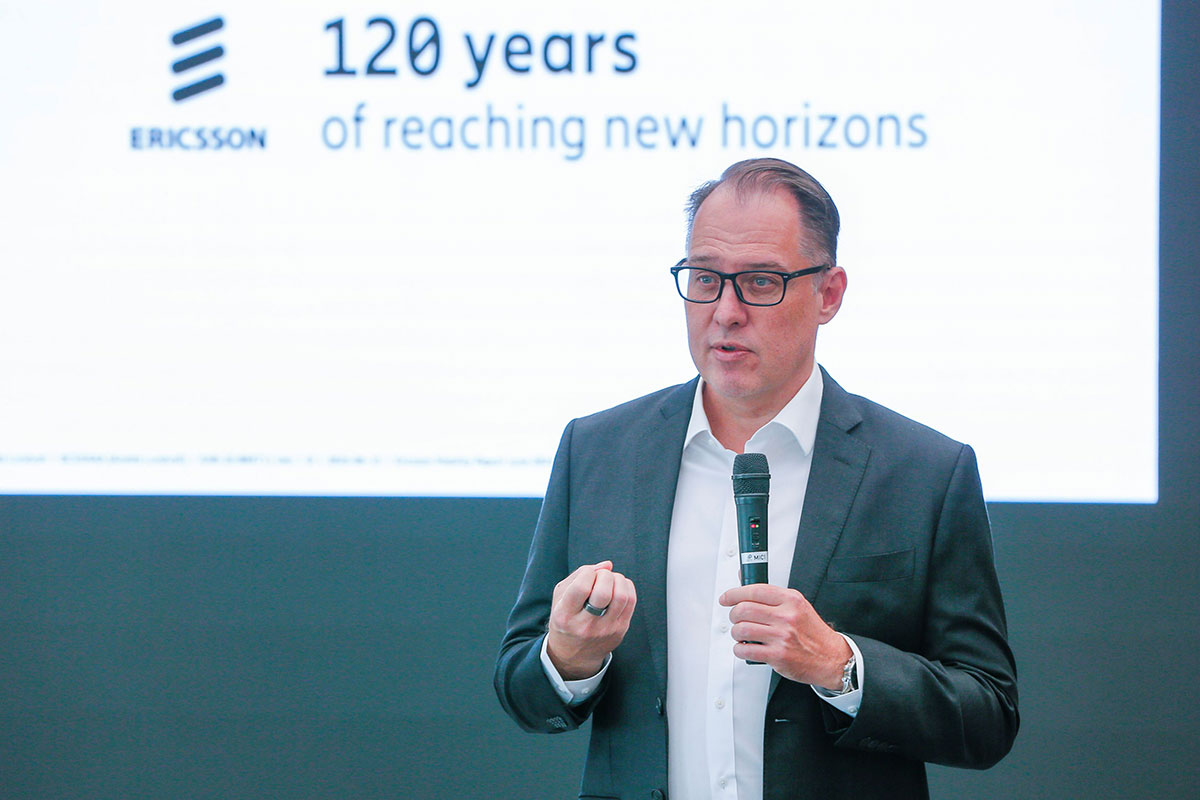
“Thailand is entering a new phase of data consumption, driven by AI applications, real-time collaboration, and user-generated content, which are accelerating the shift toward more uplink-intensive traffic patterns. As highlighted in the latest Ericsson Mobility Report, this fundamental change means networks must evolve from best-effort connectivity into intelligent infrastructure capable of supporting continuous, high-performance data flows,” says Anders Rian, Head of Ericsson Thailand.

“To support this transformation, it is essential to continue investing in high-quality mid-band spectrum, particularly in the 3.5 GHz range, alongside accelerating 5G Standalone deployment. These capabilities enable differentiated connectivity through network slicing, allowing operators to deliver guaranteed performance for specific applications and unlock new opportunities across both consumer and enterprise segments in Thailand’s AI-driven economy,” Anders added.

The number of commercial differentiated connectivity service offerings based on 5G SA network slicing from service providers – with the ability to deliver guaranteed quality of service for use cases through securing slices of the network – continues to grow at pace globally. The total increased from 65 in the November 2025 EMR report to 84 across all regions in the new June edition – indicating that services based on differentiated connectivity are moving from early adoption to mainstream commercialization.

“With the upcoming transition to physical AI, traffic patterns will fundamentally shift as we move from centralized models in data centers to distributed, autonomous AI agents embedded across our device vehicles and cities, commonly connected by 5G,” Erik Ekudden, EMR publisher and CTO, Ericsson, says. “Mobile networks are no longer only about providing best-effort connectivity, they are becoming critical, intelligent infrastructure that meets diverse application needs. Reflecting part of this shift is the continued rise in new commercial service offerings based on 5G standalone network slicing and the number of communications service providers deploying 5G SA.”

“We are at an inflection point, where 5G and the ecosystem are set to unleash the next wave of innovation in the country. 5G Standalone and AI-driven automation will serve as the foundation for enterprise digitalization in Thailand” says Anders Rian.

Uplink traffic is growing faster than downlink for most service providers – in some instances, significantly faster. The main current drivers are smartphone communication and collaboration apps, the sharing of user-generated content, and cloud storage.

Based on network traffic measurements conducted by Ericsson 43 out of 55 service providers experienced a higher uplink growth rate than downlink; 17 out of 55 service providers experienced more than 1.5 times higher uplink growth rate than downlink. Ericsson scenario modeling suggests additional AI traffic could result in uplink traffic being three times higher or more in 2031 compared to 2025.

Network data traffic (for both mobile and FWA) grew 22 percent year-on-year for the first quarter of 2026 compared to the same period in 2025 – exceeding expectations. This was driven mainly by continued strong growth in India and North America

The report also reflects the increasing industry focus on 6G – with standardization discussions underway. Early expectations include full support for integrated sensing and communication (ISAC); seamless integration between terrestrial and satellite networks to reduce coverage gaps; and a strong focus on energy efficiency – all driven by AI-native 6G.

The first implementable 6G specifications are expected to be finalized by the end of 2028 or early 2029. The first commercial 6G services are expected to follow around 2030, with varying subsequent uptake between regions and countries. As with 5G launches, the US, China, Japan, South Korea and the GCC countries are expected to be early adopters. 

Download the full Ericsson Mobility Report June 2026 via this link

รายงาน Ericsson Mobility Report ฉบับล่าสุด เผยผู้ใช้บริการ 5G ทั่วโลกทะลุ 3 พันล้านราย ในขณะที่ความคับคั่งของ Uplink โตอย่างก้าวกระโดด

รายงาน Ericsson Mobility Report ฉบับล่าสุด เผยผู้ใช้บริการ 5G ทั่วโลกทะลุ 3 พันล้านราย ในขณะที่ความคับคั่งของ Uplink โตอย่างก้าวกระโดด

รายงาน Ericsson Mobility Report ฉบับล่าสุด เผยผู้ใช้บริการ 5G ทั่วโลกทะลุ 3 พันล้านราย ในขณะที่ความคับคั่งของ Uplink โตอย่างก้าวกระโดด

  • ภายในไตรมาสแรกปี 2569 พบมีผู้ใช้บริการ 5G เพิ่มขึ้นถึง 162 ล้านราย ทำให้ยอดรวมพุ่งสูงกว่า 3.1 พันล้านราย
  • ปริมาณความคับคั่งของ Uplink จากผู้ให้บริการหลายรายเติบโตเร็วกว่า Downlink และในบางกรณีพบว่าเติบโตรวดเร็วอย่างมีนัยสำคัญ
  • คาดการณ์อีก ปี (2574) ยอดผู้ใช้บริการ 5G ในประเทศไทยจะเติบโตสูงถึง 93 ล้านราย

รายงาน Ericsson Mobility Report (EMR) ฉบับเดือนมิถุนายน 2569 เผยไตรมาสแรกปีนี้ มียอดผู้ใช้บริการ 5G บนเครือข่ายมือถือทั่วโลกสูงทะลุ 3 พันล้านราย ขณะที่การเปิดตัวบริการเชิงพาณิชย์ในรูปแบบ Network Slicing บนเครือข่าย 5G Standalone (SA) ของผู้ให้บริการด้านการสื่อสารยังเติบโตสูง นอกจากนี้ยังพบว่าในผู้ให้บริการหลาย ๆ รายอัตราการเติบโตของปริมาณการรับ-ส่งข้อมูลแบบ Uplink พุ่งแซงหน้า Downlink แล้ว

รายงานฉบับเดือนมิถุนายนนี้ ครอบคลุมช่วงเวลาคาดการณ์เดียวกันกับรายงานฉบับเดือนพฤศจิกายน 2568 (คือปี 2568-2574) แต่มีการปรับปรุงข้อมูลทางสถิติและการคาดการณ์เป็นปัจจุบัน

จากจำนวนผู้ใช้บริการ 5G รายใหม่ที่เพิ่มขึ้นถึง 162 ล้านรายทั่วโลก ในช่วงไตรมาสแรกปีนี้ ทำให้ยอดรวมทะลุหลัก 3 พันล้านราย โดยอยู่ที่ 3.1 พันล้านราย และคาดว่าภายในสิ้นปี 2574 จะยังเติบโตรวดเร็วต่อเนื่องสูงกว่าเท่าตัว (แตะ 6.4 พันล้านราย) และยอดผู้ใช้บริการ 5G ในภูมิภาคเอเชียตะวันออกเฉียงใต้และโอเชียเนียจะเพิ่มสูงถึง 670 ล้านราย ซึ่งคิดเป็นอัตราการเข้าถึงบริการ 5G เกินกว่า 50% ของจำนวนผู้ใช้งานมือถือทั้งหมดในภูมิภาคนี้

ปัจจุบันมีผู้ให้บริการด้านการสื่อสารราว 390 รายทั่วโลกที่เปิดให้บริการ 5G เชิงพาณิชย์แล้ว โดยจำนวนนี้มีมากกว่า 90 รายเปิดให้บริการ 5G Standalone (SA) ณ สิ้นปี 2568 เครือข่าย 5G รองรับยอดทราฟฟิกดาต้าบนมือถือทั้งหมดในสัดส่วนสูงถึง 48% และคาดว่าจะเพิ่มขึ้นเป็น 85% ภายในสิ้นปี 2574 โดยภูมิภาคยุโรปตะวันตก อเมริกาเหนือ เอเชียตะวันออกเฉียงเหนือ และกลุ่มประเทศความร่วมมืออ่าวอาหรับ (GCC) จะมีอัตราการใช้งาน 5G ใกล้เคียงหรือสูงกว่า 90% ภายในสิ้นปี 2574

สำหรับประเทศไทย ณ สิ้นปี 2568 มีจำนวนผู้ใช้บริการ 5G อยู่ที่ 33 ล้านราย คิดเป็น 36% ของยอดผู้ใช้บริการโทรศัพท์เคลื่อนที่ทั้งหมดในประเทศ และคาดว่าภายในปี 2574 จะเติบโตก้าวกระโดดแตะ 93 ล้านราย ซึ่งคิดเป็นสัดส่วนสูงถึง 92% ของจำนวนผู้ใช้บริการมือถือทั้งหมดในไทย

มร. แอนเดอร์ส เรียน ประธานบริษัท อีริคสัน ประเทศไทย กล่าวว่า “ประเทศไทยกำลังก้าวสู่ยุคใหม่ของการบริโภคข้อมูล ซึ่งขับเคลื่อนผ่านแอปพลิเคชัน AI, การทำงานร่วมกันแบบเรียลไทม์ และคอนเทนต์ที่ผู้ใช้สร้างขึ้นเอง (User-Generated Content หรือ UGC) โดยปัจจัยเหล่านี้กำลังเร่งให้เกิดการเปลี่ยนผ่านไปสู่รูปแบบทราฟฟิกที่พึ่งพาการส่งข้อมูลแบบ Uplink อย่างมหาศาล ตามที่ระบุไว้ในรายงาน Ericsson Mobility Report ฉบับล่าสุดที่เผยให้เห็นถึงการเปลี่ยนแปลงเชิงโครงสร้างในครั้งนี้ว่า เครือข่ายจำเป็นต้องวิวัฒนาการจากการเชื่อมต่อแบบ Best-Effort Connectivity ไปสู่การเป็นโครงสร้างพื้นฐานอัจฉริยะ (Intelligent Infrastructure) ที่ต้องสามารถรองรับการไหลเวียนของข้อมูลประสิทธิภาพสูงต่อเนื่อง”

“สิ่งสำคัญเพื่อสนับสนุนการเปลี่ยนผ่านนี้ คือต้องลงทุนต่อเนื่องในคลื่นความถี่ Mid-Band คุณภาพสูง โดยเฉพาะในย่านความถี่ 3.5 GHz ควบคู่ไปกับการเร่งวางระบบ 5G Standalone (SA) ที่ขีดความสามารถเหล่านี้จะช่วยให้เกิดการเชื่อมต่อที่แตกต่างกันหรือ Differentiated Connectivity ผ่านเทคโนโลยี Network Slicing เปิดโอกาสให้ผู้ให้บริการสามารถรับประกันประสิทธิภาพการใช้งานสำหรับแอปพลิเคชันเฉพาะด้าน และปลดล็อกโอกาสใหม่ ๆ ทั้งในกลุ่มบริการสำหรับผู้บริโภคและกลุ่มองค์กรธุรกิจในระบบเศรษฐกิจที่ขับเคลื่อนด้วย AI ของประเทศไทย” มร. แอนเดอร์ส กล่าวเสริม

ในส่วนของบริการ Differentiated Connectivity เชิงพาณิชย์ บนเทคโนโลยี 5G SA Network Slicing จากผู้ให้บริการสื่อสารทั่วโลก ที่มีความสามารถในการส่งมอบและรับประกันคุณภาพตามรูปแบบการใช้งานเฉพาะด้านด้วยการล็อกช่องสัญญาณเครือข่ายไว้นั้น ยังคงเติบโตขึ้นรวดเร็ว โดยเพิ่มขึ้นจาก 65 บริการในรายงาน EMR ฉบับเมื่อเดือนพฤศจิกายน 2568 เป็น 84 บริการในทุกภูมิภาคทั่วโลก อ้างอิงตามรายงานล่าสุดในเดือนมิถุนายนนี้ บ่งชี้ว่าบริการบนฐาน Differentiated Connectivity กำลังเคลื่อนจากกลุ่มผู้เริ่มใช้งานในระยะแรกไปสู่การสร้างมูลค่าหลักเชิงพาณิชย์

มร.เอริค เอคุดเดน (Erik Ekudden) ประธานเจ้าหน้าที่ฝ่ายเทคโนโลยีและผู้จัดพิมพ์รายงาน EMR และของอีริคสัน กล่าวว่า “การเปลี่ยนผ่านสู่ยุค Physical AI ที่กำลังจะมาถึงนี้ จะทำให้รูปแบบของทราฟฟิกเปลี่ยนแปลงไปอย่างสิ้นเชิง เราจะขยับจากโมเดลการประมวลผลแบบรวมศูนย์ในดาต้าเซ็นเตอร์ ไปสู่ระบบที่ใช้ AI Agents อัตโนมัติประมวลผลแบบกระจายศูนย์ ซึ่งฝังอยู่ในอุปกรณ์ภายในยานพาหนะและในเมือง ซึ่งการเชื่อมต่อผ่านเครือข่าย 5G เป็นหลัก ทำให้เครือข่ายมือถือในวันนี้ไม่ใช่แค่การให้บริการเชื่อมต่อทั่ว ๆ ไปอีกต่อไปแล้ว แต่กำลังกลายเป็นโครงสร้างพื้นฐานอัจฉริยะที่มีความสำคัญยิ่งเพื่อตอบสนองความต้องการของแอปพลิเคชันที่หลากหลาย ภาพสะท้อนส่วนหนึ่งของการเปลี่ยนแปลงนี้เห็นได้จากการเติบโตต่อเนื่องของบริการเชิงพาณิชย์ใหม่ ๆ บนฐาน 5G Standalone Network Slicing และจำนวนผู้ให้บริการสื่อสารที่หันมาวางระบบนี้

“เราอยู่ในจุดเปลี่ยนสำคัญที่ 5G และระบบนิเวศทางเทคโนโลยีพร้อมปลดปล่อยคลื่นลูกใหม่ของการพัฒนานวัตกรรมในประเทศ โดย 5G Standalone และระบบอัตโนมัติที่ขับเคลื่อนด้วย AI จะทำหน้าที่เป็นรากฐานสำคัญสำหรับการนำเทคโนโลยีดิจิทัลมาเสริมศักยภาพการดำเนินงานขององค์กรธุรกิจในประเทศไทย” มร. แอนเดอร์ส เรียน กล่าว

ในกลุ่มผู้ให้บริการด้านการสื่อสารส่วนใหญ่ พบว่าความคับคั่งของการ Uplink เติบโตรวดเร็วกว่า Downlink และในบางกรณีเติบโตเร็วกว่าเป็นอย่างมาก โดยปัจจัยขับเคลื่อนหลักในปัจจุบันมาจากแอปพลิเคชันเพื่อใช้ในการสื่อสารและการทำงานร่วมกันบนสมาร์ตโฟน การแชร์คอนเทนต์ที่สร้างขึ้น (User Generated Content – UGC) และระบบจัดเก็บข้อมูลบนคลาวด์

จากการวัดผลความคับคั่งบนเครือข่ายของอีริคสัน พบว่าผู้ให้บริการ 43 รายจาก 55 ราย มีอัตราการเติบโตของการ Uplink สูงกว่า Downlink โดยผู้ให้บริการ 17 รายมีความคับคั่งของ Uplink โตสูงกว่า Downlink ถึง 1.5 เท่า ทั้งนี้โมเดลจำลองสถานการณ์ของอีริคสันยังชี้ว่าปริมาณการใช้งาน AI ที่เพิ่มเข้ามานั้น อาจส่งผลให้ความคับคั่งของการ Uplink ในปี 2574 สูงกว่าปี 2568 ถึง 3 เท่าตัวหรือมากกว่านั้น

ปริมาณการรับส่งข้อมูลบนเครือข่าย ทั้งในส่วนของโทรศัพท์เคลื่อนที่และ Fixed Wireless Access (FWA) ในไตรมาสแรกปี 2569 เติบโตขึ้น 22% ต่อปี เมื่อเทียบกับช่วงเวลาเดียวกันของปี 2568 ซึ่งตัวเลขนี้สูงเกินกว่าที่คาดการณ์ไว้ โดยแรงขับเคลื่อนหลักมาจากการเติบโตที่ยังคงแข็งแกร่งในตลาดอินเดียและอเมริกาเหนือ

รายงานยังเผยว่าภาคอุตสาหกรรมหันมาให้ความสำคัญกับเทคโนโลยี 6G มากขึ้น โดยเริ่มมีการหารือด้านข้อกำหนดมาตรฐานแล้ว ซึ่งความคาดหวัง 6G ในระยะแรกนั้นครอบคลุมถึงการสนับสนุนระบบตรวจจับและการสื่อสารแบบบูรณาการ หรือ Integrated Sensing and Communication (ISAC), การผสานรวมระหว่างเครือข่ายภาคพื้นดินและเครือข่ายดาวเทียมเพื่อลดช่องว่างสัญญาณ, และการมุ่งเน้นเรื่องประสิทธิภาพการใช้พลังงานอย่างจริงจัง ซึ่งทั้งหมดนี้จะขับเคลื่อนด้วย AI-Native 6G

คาดว่าข้อกำหนด 6G ที่ใช้งานได้จริงชุดแรกจะได้รับการสรุปแล้วเสร็จภายในสิ้นปี 2571 หรือช่วงต้นปี 2572 โดยคาดว่าบริการ 6G เชิงพาณิชย์แรกจะเปิดตัวตามมาในปี 2573 และอัตราการใช้งานจะแตกต่างกันออกไปในแต่ละภูมิภาคและประเทศ ทั้งนี้ คาดว่าสหรัฐอเมริกา จีน ญี่ปุ่น เกาหลีใต้ และกลุ่มประเทศความร่วมมืออ่าวอาหรับ (GCC) จะเป็นกลุ่มแรก ๆ ที่เริ่มนำ 6G มาใช้งาน เช่นเดียวกับการเปิดตัว 5G ที่ผ่านมา

The RAN gets smarter: Ericsson puts AI where it matters

The RAN gets smarter: Ericsson puts AI where it matters

The RAN gets smarter: Ericsson puts AI where it matters

Ericsson sets a new standard for network intelligence with AI in RAN

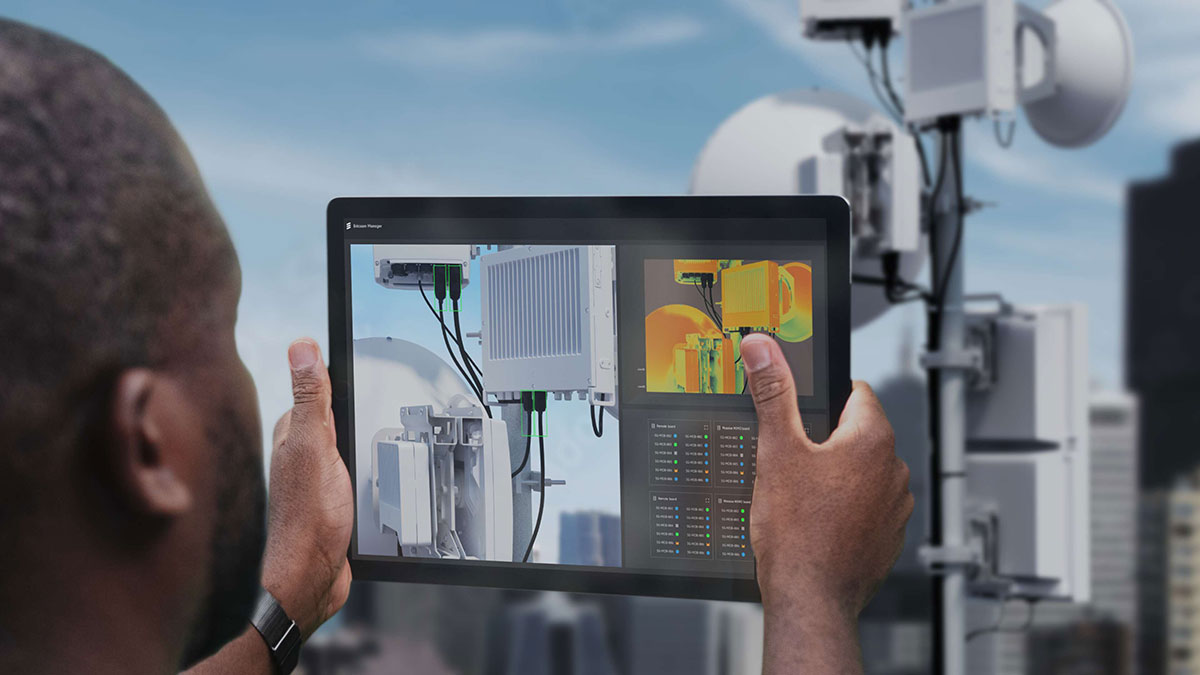
As AI-driven services grow, mobile networks require higher performance and smarter automation. Ericsson today introduced AI in RAN, a software subscription that brings telco-grade AI models into basebands and radios to boost efficiency, performance, and energy savings. This commercially scalable offering gives communications service providers (CSPs) immediate benefits for 5G networks and supports the shift to AI-native RAN without requiring additional hardware.

Ericsson AI in RAN introduces:

  • Telco-grade AI models designed to run in real time within the radio access network (RAN).
  • Continuous learning software powered by scalable, high‑quality data.
  • Agentic AI support to enable advanced RAN automation and network operations

“Ericsson is redefining what’s possible in mobile networks by bringing powerful AI capabilities to service providers,” says Mårten Lerner, Head of Networks Strategy & Product Management at Ericsson. “With AI in RAN software, we are taking a major step toward AI-native networks, alongside the AI-ready radios we unveiled in February.”

Ericsson’s telco-grade AI models are designed for ultra-low latency inference at the microsecond level, delivering high reliability and robustness across diverse and dynamic RAN environments. Developed with deep domain expertise and trained on high-quality data, these models set new standards for performance and efficiency.

Nitin Bansal, MD, Ericsson India says,” Service providers need networks that are high-performing, secure and efficient in the AI era. With AI in RAN, Ericsson is bringing AI into networks to elevate Operational efficiency, elevate network performance and opening new business opportunities” 

Proven in commercial network deployments

Ericsson AI in RAN works with Ericsson 5G Advanced across both purpose-built and Cloud RAN platforms to enable new AI-driven services. It puts the company’s AI for Networks vision into practice by using AI to improve network performance and efficiency. AI in RAN is designed to use the right AI model in the right part of the radio network, powered by Ericsson Silicon for energy-efficient AI inference in radios and the latest generation of RAN Compute, while the portability of Cloud RAN software enables AI capabilities to be deployed across partner platforms.

The first AI in RAN features are available in Q2 2026, with further enhancements later in the year. Some of these software features include AI-native Scheduler for Link Adaptation, AI-powered Macro Positioning, AI-managed Beamforming, AI-powered Multi-layer Coordination, Performance Management Event Schema Files, and Augmented Observability for AI in RAN.

Proven in more than 15 deployments and trials worldwide, Ericsson’s AI in RAN delivers up to 20 percent higher downlink throughput and up to 10 percent better spectral efficiency. It also supports up to 2x more high-traffic users, 90–95 percent coverage prediction accuracy, and achieves up to 5x greater user-positioning precision.

Teruyuki Oya, Senior Vice President & CNO, SoftBank Corp., says: “Ericsson’s AI in RAN software marks an important step in bringing AI deeper into the radio access network. By enabling real-time optimization of radio performance, spectrum efficiency and user experience, it helps us turn AI innovation into practical value on live networks. We also see strong potential in how this foundation can support emerging AI-driven services, including Physical AI scenarios that depend on low-latency, highly reliable connectivity, and intelligent coordination between network and compute resources.”

Bruce Dean, Senior Vice President, Network Technology & Operations, Bell, says: “At Bell, we’re continuously evolving our network to meet growing demand for high-performance, AI-driven services. Integrating AI directly into the RAN is an important step in making networks more intelligent and efficient. Working with partners like Ericsson, we’re bringing these capabilities into our network to enhance performance, improve energy efficiency and deliver a better experience for our customers.”

Yu Takki, Head of Network Technology Office, SK Telecom, says: “Through our collaboration with Ericsson, SK Telecom is advancing AI-RAN to enhance network performance and energy efficiency while supporting more intelligent and automated operations. By combining research, real-world validation and software innovation, we aim to strengthen our leadership in AI-powered network evolution and help lay the foundation for AI-native 6G.”

Mark Kennedy, Chief Technology Officer, Rogers, says: “As Canada’s best 5G+ network, we’re proud to work with Ericsson and bring the latest 5G technology to Canadians. AI in RAN will help optimize network performance for customers in real-time and reduce energy consumption.” 

Joe Madden, Principal Analyst at Mobile Experts, says: “This could be the best ROI for mobile operators in years. With a software upgrade, operators can squeeze more capacity, better observability, and more accurate location-based services out of the 5G network they bought years ago.”

Ericsson has introduced AI functionality across its products since 4G, and in 2021 added AI‑ready acceleration in RAN Compute. In February this year, the company unveiled Neural Network Accelerators in its Massive MIMO radios, increasing AI inference capability by 10 times.

RAN ฉลาดล้ำยิ่งขึ้น เมื่ออีริคสันนำ AI มาเค้นศักยภาพเครือข่ายมือถือในจุดสำคัญสุด

RAN ฉลาดล้ำยิ่งขึ้น เมื่ออีริคสันนำ AI มาเค้นศักยภาพเครือข่ายมือถือในจุดสำคัญสุด

RAN ฉลาดล้ำยิ่งขึ้น เมื่ออีริคสันนำ AI มาเค้นศักยภาพเครือข่ายมือถือในจุดสำคัญสุด

อีริคสันสร้างมาตรฐานใหม่ให้เครือข่ายอัจฉริยะด้วยขุมพลัง AI ใน RAN

เมื่อบริการ AI เติบโตมากขึ้น เครือข่ายโทรศัพท์เคลื่อนที่จึงจำเป็นต้องมีประสิทธิภาพสูงขึ้นและมีระบบอัตโนมัติที่ชาญฉลาดยิ่งกว่าเดิม วันนี้อีริคสันได้เปิดตัว AI in RAN ซอฟต์แวร์รูปแบบสมัครสมาชิก ที่นำโมเดล AI ระดับเดียวกับที่ใช้ในอุตสาหกรรมโทรคมนาคม เข้ามาใส่ไว้ในระบบเครือข่ายเบสแบนด์ (Basebands) และระบบวิทยุรับส่งสัญญาณ (Radios) เพื่อเพิ่มประสิทธิภาพการทำงาน สมรรถนะ และการประหยัดพลังงาน โดยบริการที่สามารถขยายการใช้งานได้ในเชิงพาณิชย์นี้จะช่วยให้ผู้ให้บริการด้านการสื่อสารได้รับประโยชน์ทันทีบนเครือข่าย 5G และสนับสนุนการเปลี่ยนผ่านไปสู่เครือข่าย AI-native RAN โดยไม่จำเป็นต้องติดตั้งฮาร์ดแวร์เพิ่มเติม

AI in RAN ของอีริคสันมีจุดเด่นสำคัญ ดังนี้:

  • เป็นโมเดล AI ระดับเดียวกับที่ใช้ในอุตสาหกรรมโทรคมนาคม: ออกแบบมาเพื่อประมวลผลเรียลไทม์ภายในเครือข่าย RAN
  • มีซอฟต์แวร์เรียนรู้ได้เองต่อเนื่อง: ขับเคลื่อนด้วยข้อมูลคุณภาพสูงที่พร้อมขยายสเกลในระบบ
  • รองรับ Agentic AI: เพื่อขับเคลื่อนระบบอัตโนมัติขั้นสูงของ RAN และการบริหารจัดการเครือข่าย


Mårten Lerner หัวหน้าฝ่ายกลยุทธ์เครือข่ายและการบริหารจัดการผลิตภัณฑ์ของอีริคสัน กล่าว “เรากำลังกำหนดนิยามใหม่ให้กับเครือข่ายมือถือ ด้วยการนำขีดความสามารถ AI ประสิทธิภาพสูงมามอบให้แก่ผู้ให้บริการ ซอฟต์แวร์ AI in RAN คือก้าวสำคัญเพื่อเดินหน้าไปสู่ AI-native networks ควบคู่ไปกับการพัฒนาเครือข่ายวิทยุที่รองรับ AI ที่เราเปิดตัวไปเมื่อกุมภาพันธ์นี้”

โมเดล AI ระดับเดียวกับที่ใช้ในอุตสาหกรรมโทรคมนาคมของอีริคสัน ได้รับการออกแบบมาเพื่อใช้ประมวลผลที่มีความหน่วงต่ำเป็นพิเศษ (Ultra-low latency) ในระดับไมโครวินาที มีความน่าเชื่อถือและมีความเสถียรสูงในสภาพแวดล้อมเครือข่าย RAN ที่มีความไดนามิกตลอดวลา ตัวโมเดลพัฒนาขึ้นจากความเชี่ยวชาญเชิงลึกและฝึกฝนด้วยข้อมูลคุณภาพสูง ถือเป็นการสร้างมาตรฐานใหม่ทั้งในแง่ประสิทธิภาพและความคุ้มค่า

Nitin Bansal กรรมการผู้จัดการ อีริคสัน ประเทศอินเดีย กล่าวว่า “ยุค AI ผู้ให้บริการต้องการเครือข่ายที่มีประสิทธิภาพสูง ปลอดภัย และมีความเสถียร เราจึงได้นำ AI มาฝังไว้ในเครือข่าย เพื่อยกระดับประสิทธิภาพการดำเนินงาน เพิ่มขีดความสามารถเครือข่าย และเปิดรับโอกาสทางธุรกิจใหม่ ๆ ผ่านซอฟต์แวร์ AI in RAN”

เคสการใช้งานจริงบนเครือข่ายเชิงพาณิชย์

ซอฟต์แวร์ AI in RAN ของอีริคสัน สามารถทำงานร่วมกับ Ericsson 5G Advanced ได้ทั้งบนแพลตฟอร์มแบบสร้างขึ้นเฉพาะ และ Cloud RAN เพื่อรองรับบริการ AI ใหม่ ๆ สิ่งนี้เป็นการนำวิสัยทัศน์ “AI for Networks” ของบริษัทมาปฏิบัติจริง โดยใช้ AI เข้ามาปรับปรุงประสิทธิภาพและความคุ้มค่าของเครือข่าย ทั้งนี้ AI in RAN ออกแบบมาให้เลือกใช้โมเดล AI ที่เหมาะสมในส่วนที่ใช่ของเครือข่ายวิทยุ ขับเคลื่อนด้วยชิป Ericsson Silicon เพื่อให้การประมวลผล AI ในคลื่นวิทยุประหยัดพลังงาน ควบคู่ไปกับระบบประมวลผล RAN Compute รุ่นล่าสุด โดยประสิทธิภาพการโยกย้ายซอฟต์แวร์ของ Cloud RAN ยังช่วยให้สามารถนำขีดความสามารถ AI นี้ไปติดตั้งใช้งานบนแพลตฟอร์มพันธมิตรรายอื่น ๆ ได้ด้วย

ฟีเจอร์แรกของ AI in RAN จะเริ่มพร้อมใช้งานในไตรมาสที่ 2 ของปีนี้ และจะมีการอัปเกรดเพื่อเพิ่มประสิทธิภาพอื่น ๆ ตามมาในช่วงปลายปี โดยฟีเจอร์ซอฟต์แวร์เหล่านี้บางส่วน ได้แก่ AI-native Scheduler for Link Adaptation, AI-powered Macro Positioning, AI-managed Beamforming, AI-powered Multi-layer Coordination, Performance Management Event Schema Files และ Augmented Observability for AI in RAN

จากการติดตั้งใช้งานจริงและการทดสอบจริงมากกว่า 15 เครือข่ายทั่วโลก ซอฟต์แวร์ AI in RAN ของอีริคสันสามารถเพิ่มปริมาณข้อมูลดาวน์โหลดได้สูงสุดถึง 20% และเพิ่มประสิทธิภาพการใช้คลื่นความถี่ได้สูงสุดถึง 10% และยังรองรับผู้ใช้งานในพื้นที่ที่มีการรับส่งข้อมูลหนาแน่นได้มากขึ้นถึง 2 เท่า พร้อมมีความแม่นยำในการคาดการณ์ความครอบคลุมของสัญญาณอยู่ที่ 90–95% และมีความแม่นยำระบุตำแหน่งผู้ใช้งานสูงขึ้นถึง 5 เท่า

Teruyuki Oya รองประธานอาวุโส และประธานเจ้าหน้าที่ฝ่ายเครือข่ายของ SoftBank Corp. กล่าวว่า “ซอฟต์แวร์ AI in RAN ของอีริคสัน ถือเป็นก้าวสำคัญในการนำเทคโนโลยี AI เข้ามาใช้ในส่วนลึกของเครือข่าย RAN การที่เราสามารถปรับแต่งประสิทธิภาพคลื่นวิทยุ การใช้คลื่นความถี่ และประสบการณ์ผู้ใช้งานได้เรียลไทม์ ช่วยให้เราสามารถเปลี่ยนนวัตกรรม AI ให้เป็นมูลค่าที่จับต้องได้จริงบนเครือข่ายที่ให้บริการ นอกจากนี้เรายังเห็นศักยภาพของการใช้เทคโนโลยีพื้นฐานนี้เพื่อรองรับบริการ AI ใหม่ ๆ ซึ่งรวมถึง Physical AI หรือสถานการณ์การใช้งาน AI ในโลกจริง ๆ ที่ต้องพึ่งพาการเชื่อมต่อที่มีค่าความหน่วงต่ำ มีความเสถียรสูง ตลอดจนการประสานงานอัจฉริยะระหว่างทรัพยากรเครือข่ายและระบบประมวลผล”

Bruce Dean รองประธานอาวุโส ฝ่ายเทคโนโลยีและการดำเนินงานเครือข่ายของ Bell กล่าวว่า “เรามุ่งมั่นพัฒนาเครือข่ายต่อเนื่องเพื่อตอบสนองความต้องการที่เพิ่มขึ้นของบริการที่มีประสิทธิภาพสูงที่ขับเคลื่อนด้วย AI ซึ่งการรวม AI เข้ากับ RAN โดยตรงถือเป็นขั้นตอนสำคัญ ทำให้เครือข่ายมีความเฉลียวฉลาดและมีประสิทธิภาพมากยิ่งขึ้น การทำงานร่วมกับพันธมิตรอย่างอีริคสันยังช่วยให้เราสามารถนำขีดความสามารถเหล่านี้เข้ามาใช้เสริมประสิทธิภาพบนเครือข่ายของเรา ยกระดับสมรรถนะ ปรับปรุงคุณภาพการประหยัดพลังงาน และมอบประสบการณ์ที่ดียิ่งขึ้นแก่ลูกค้า”

Yu Takki หัวหน้าสำนักงานเทคโนโลยีเครือข่าย SK Telecom กล่าวว่า “ด้วยความร่วมมือกับอีริคสัน SK Telecom กำลังนำเทคโนโลยี AI-RAN มายกระดับประสิทธิภาพเครือข่ายและช่วยเรื่องการประหยัดพลังงาน พร้อมทั้งนำซอฟต์แวร์นี้มารองรับการดำเนินงานให้มีความเป็นอัจฉริยะและอัตโนมัติมากยิ่งขึ้น ด้วยการผสานรวมระหว่างการวิจัย การทดสอบการใช้งานจริง และนวัตกรรมซอฟต์แวร์ ทำให้เรามุ่งมั่นเสริมสร้างความเป็นผู้นำวิวัฒนาการเครือข่ายที่ขับเคลื่อนด้วย AI พร้อมวางรากฐานสำคัญให้กับเทคโนโลยี 6G แบบ AI-native ในอนาคต”

Mark Kennedy ประธานเจ้าหน้าที่ฝ่ายเทคโนโลยีของ Rogers กล่าวว่า “ในฐานะเครือข่าย 5G+ ที่ดีที่สุดของแคนาดา เราภูมิใจที่ได้ทำงานร่วมกับอีริคสัน เพื่อนำเทคโนโลยี 5G ล่าสุดมาให้ชาวแคนาดาได้ใช้งาน โดยซอฟต์แวร์ AI in RAN จะเข้ามาช่วยปรับแต่งประสิทธิภาพเครือข่ายให้กับลูกค้าเรียลไทม์ และช่วยลดการใช้พลังงานลง”

Joe Madden นักวิเคราะห์หลักจาก Mobile Experts กล่าวว่า “นี่อาจเป็นการลงทุนที่ให้ผลตอบแทนที่ดีที่สุดแก่ผู้ให้บริการเครือข่ายมือถือรอบหลายปี เพราะเพียงแค่การอัปเกรดซอฟต์แวร์ ผู้ให้บริการก็สามารถเค้นศักยภาพ ทั้งในเรื่องความจุเครือข่ายที่เพิ่มขึ้น ระบบการสังเกตการณ์สถานะการทำงานที่ดีขึ้น และบริการระบุตำแหน่งที่แม่นยำยิ่งขึ้น จากเครือข่าย 5G เดิมที่พวกเขาลงทุนซื้อไปเมื่อหลายปีก่อน”

อีริคสันเริ่มนำฟังก์ชันการทำงาน AI มาใช้ในกลุ่มผลิตภัณฑ์ต่าง ๆ ตั้งแต่ยุค 4G และในปี 2564 ได้เพิ่มระบบเร่งความเร็วที่รองรับ AI หรือ AI-ready acceleration เข้าไปในระบบ RAN Compute ล่าสุดเดือนกุมภาพันธ์ปีนี้ บริษัทเปิดตัวตัวเร่งความเร็วเครือข่ายประสาทเทียม หรือ Neural Network Accelerators ในอุปกรณ์ Massive MIMO radios ช่วยเพิ่มขีดความสามารถของการประมวลผล AI ได้ถึง 10 เท่า

Ericsson and depa partner to introduce ‘Ericsson Educate- its 21st century technology education program’ for Thai learners

อีริคสัน จับมือ ดีป้า เปิดตัวโครงการ ‘Ericsson Educate’ ยกระดับทักษะเทคโนโลยีแห่งศตวรรษที่ 21 แก่ผู้เรียนชาวไทย

Ericsson and depa partner to introduce ‘Ericsson Educate- its 21st century technology education program’ for Thai learners

  • Collaboration announcement made during the 120th anniversary celebrations of Ericsson in Thailand
  • Ericsson Educate is integrated into the Digital Economy Promotion Agency’s (depa) Digital Skills Roadmap
  • Ericsson remains committed to supporting Thailand’s ongoing digitalization and achieving Thailand 4.0

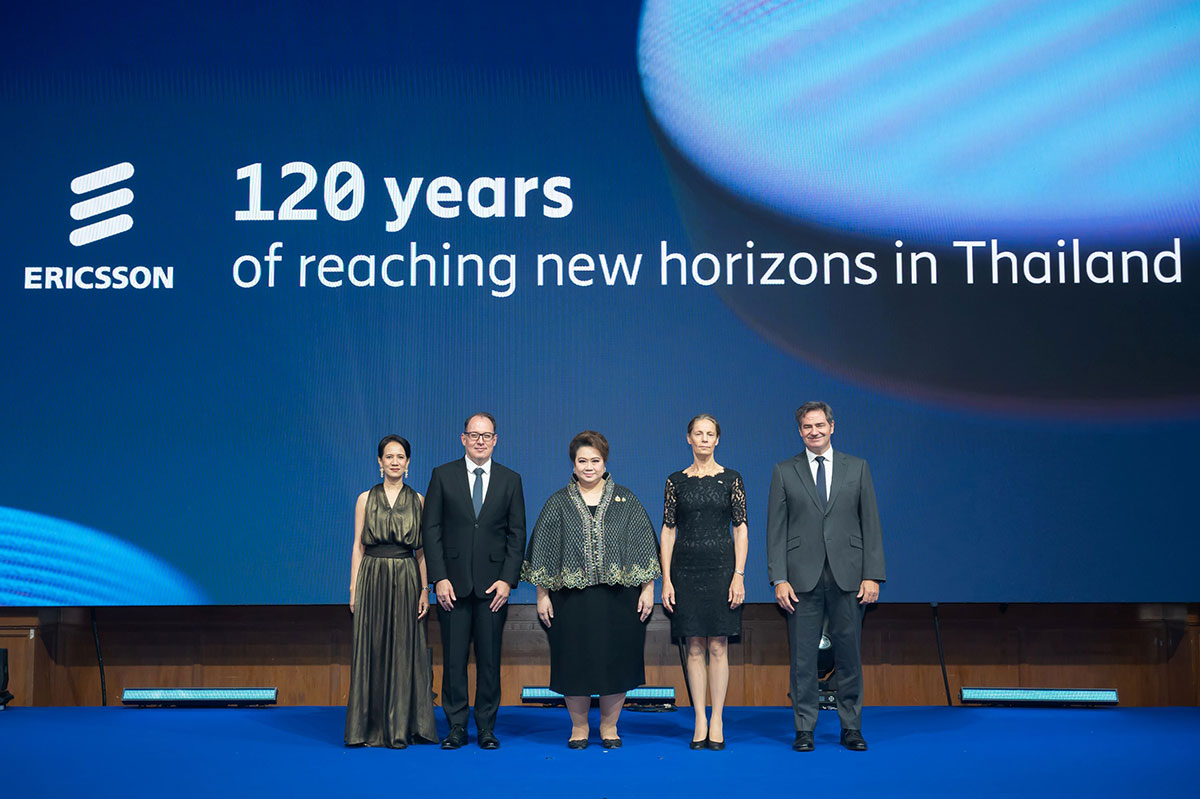
Ericsson (NASDAQ: ERIC) today announced its partnership with Digital Economy Promotion Agency (depa) to introduce ‘Ericsson Educate- its 21st century technology education program’ to all learners who are using depa’s Digital Skills Roadmap.  The announcement was made during the 120th year anniversary celebrations of Ericsson in Thailand, marking the Company’s long-standing presence and commitment to the country.

“Celebrating 120 years in Thailand is a testament to our enduring dedication to the nation’s progress. We have grown alongside Thailand, building the infrastructure that has kept the country connected through decades of change. We are committed to further driving Thailand’s future connectivity to support the growth and digital transformation of government and industry alike,” says Anders Rian, Head of Ericsson Thailand.

“We know that upskilling Thailand’s youth and workforce will be critical to the realization of these ambitions, and this is why we are delighted to be part of depa’s Digital Skills Roadmap,” states Anders.

“We are proud to work alongside Ericsson to bring their global expertise directly to the next generation of Thai talent. As we launch ‘Coding Thailand 2026: AI Inspires the Future,’ Ericsson’s cutting-edge connectivity and technological perspective are invaluable. We are eager to benefit from their global insights, which will help our youth move beyond digital literacy toward becoming the innovative architects of Thailand’s digital future,” says depa’s Acting President/CEO, Dr. Supakorn Siddhichai.

Since its inception in the Kingdom, Ericsson has been driving Thailand’s connectivity journey. From the early days of telephony to pioneering the rollout of 5G, Ericsson’s history is inextricably linked with the development of the country’s telecom infrastructure. This 120-year journey reflects a deep-rooted commitment to building a robust mobile ecosystem that supports the social and economic well-being of the Thai people.

“In 2028 Thailand and Sweden celebrate 160 years since the signing of a bilateral Peace, Friendship and Navigation agreement – and next year, we will mark 130 years since King Chulalongkorn’s historic visit to Sweden in 1897. That was a significant visit that laid a strong foundation for exchanges between our two nations. Ericsson has been part of that journey almost from the beginning,” said Anna Hammargren, Swedish Ambassador in Thailand.

By leveraging global expertise and local insights, the Company aims to support the nation’s 20-year Digital Development Master Plan and accelerate its journey towards becoming a leading digital economy by ensuring that connectivity acts as a catalyst for industrial transformation and sustainable development.

By integrating Ericsson Educate, the Company’s global online course, into depa’s Digital Skills Roadmap, the Company seeks to provide Thai youth and its workforce with the foundational knowledge in AI and 5G needed to power the next era of digital transformation. Ericsson Educate will be available for all of depa’s learners at no cost, with the most updated content curated from Ericsson global experts ready to access at any time.  

The Ericsson Educate program is open to all learners that are part of depa’s Digital Skills Roadmap. The training covers essential 21st-century technologies, including 5G, AI, IoT, and Machine Learning, curated by Ericsson’s global experts with the goal to fast-track the upskilling of Thailand’s youth, ensuring a digitally ready workforce.

Ericsson’s 21st century technology course offers learners solid foundation knowledge of 5G, AI, IoT, automation and machine learning, to equip them with the digital knowledge and skills that will be essential in Thailand’s digital future.