DNB and Ericsson deploy scam message detection for enhanced protection in Malaysia

DNB and Ericsson deploy scam message detection for enhanced protection in Malaysia

DNB and Ericsson deploy scam message detection for enhanced protection in Malaysia

  • Identifies and locates fake transmitters used to send fraudulent messages at no extra cost to customers
  • Reduces fraudulent messages and safeguards user privacy to protect Malaysians from the increasing number of scams
  • This innovation by DNB in partnership with Ericsson strengthens Malaysia’s leadership in trusted, secure, advanced digital infrastructu

Digital Nasional Berhad (DNB), Malaysia’s premier 5G network provider, in partnership with Ericsson (NASDAQ: ERIC), has introduced a groundbreaking capability within its 5G network management systems to detect illegal transmitters used to disseminate scam messages to mobile users.

Announced today at the 2026 Mobile World Congress (MWC) in Barcelona, the innovation marks the world’s first trial of a Radio Access Network (RAN) and network management enhancement designed to detect false base stations within a commercial 5G network.

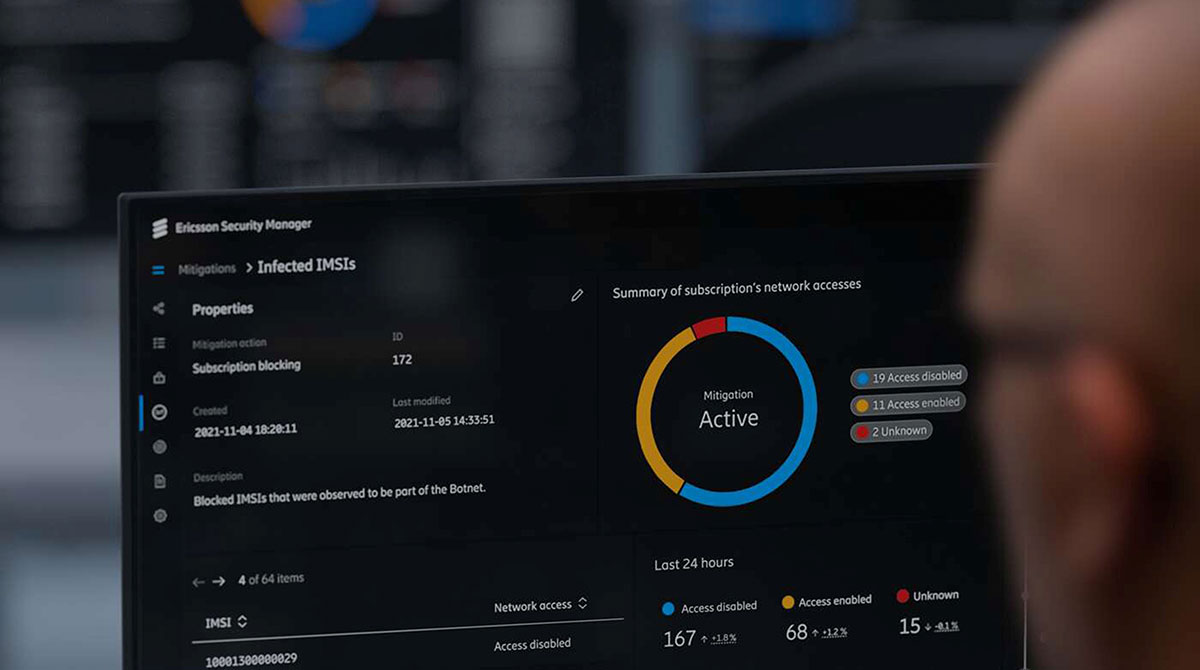
Deployed across DNB’s national 5G network and powered by Ericsson’s network software together with the Ericsson Security Manager cybersecurity platform, this capability supports the government’s call for the telecommunications industry to take decisive action against the growing threat of scams.

According to the GSMA ASEAN Consumer Scam Report 2025, 45 per cent of consumers across the ASEAN region reported having fallen victim to a scam, up from 31 per cent the previous year. In Malaysia alone, authorities blocked 2.1 billion suspicious calls and unsolicited messages between 2022 and August 2025.

This latest innovation provides an additional layer of protection for Malaysians against scammers who deploy illegal transmitters to impersonate legitimate mobile base stations and send authentic‑looking messages containing malicious links aimed at stealing personal or financial information.

The technology delivers enhanced network visibility and advanced analytics to identify and neutralise suspicious activity without the need for manual tracing of transmission sources. 

This significantly strengthens Malaysia’s mobile network defences against scam‑related threats.

Implemented on DNB’s secure national 5G infrastructure, the capability enables the wholesale network provider to swiftly safeguard user privacy, reinforce public confidence in mobile communications at no additional cost to network operators, and underscores DNB’s continued commitment to enhancing the quality, resilience, and security of Malaysia’s 5G network.

DNB Chief Executive Officer Datuk Azman Ismail emphasized, “Our foremost priority has always been to deliver a secure and trusted national 5G network for the people of Malaysia. This innovation strengthens consumer protection by remotely detecting false base stations, helping to prevent scams and safeguard privacy. It marks another important milestone in building a safer, more intelligent 5G ecosystem, and reflects DNB’s ongoing commitment to continuously enhancing the quality, resilience and security of our network for customers nationwide, at no extra cost.”

David Hägerbro, Head of Ericsson Malaysia, Sri Lanka, and Bangladesh, added, “Security has always been a key pillar in Malaysia’s 5G journey. This security enhancement with DNB shows how advanced network intelligence can protect subscribers without additional hardware or manual effort. It reflects the progress of Malaysia’s digital journey, where performance, sustainability, and security go hand in hand.”


DNB จับมืออีริคสันติดตั้งระบบตรวจจับข้อความหลอกลวงยกระดับการปกป้องผู้ใช้มือถือในมาเลเซีย

DNB จับมืออีริคสันติดตั้งระบบตรวจจับข้อความหลอกลวงยกระดับการปกป้องผู้ใช้มือถือในมาเลเซีย

DNB จับมืออีริคสันติดตั้งระบบตรวจจับข้อความหลอกลวงยกระดับการปกป้องผู้ใช้มือถือในมาเลเซีย

  • ช่วยระบุและหาพิกัดเครื่องส่งสัญญาณปลอมที่ใช้ส่งข้อความหลอกลวง โดยไม่มีค่าใช้จ่ายเพิ่มเติม
  • ลดจำนวนข้อความหลอกลวงและรักษาความเป็นส่วนตัวของผู้ใช้ ปกป้องชาวมาเลเซียจากกลโกงที่เพิ่มมากขึ้น
  • นวัตกรรมจาก DNB ภายใต้ความร่วมมือกับอีริคสันนี้ ยังช่วยเสริมสร้างความเป็นผู้นำของมาเลเซียในด้านโครงสร้างพื้นฐานดิจิทัลที่มีความทันสมัย ปลอดภัย และน่าเชื่อถือ

บริษัทโทรคมนาคมแห่งชาติของประเทศมาเลเซีย หรือ Digital Nasional Berhad: (DNB) ผู้ให้บริการเครือข่าย 5G ชั้นนำของมาเลเซีย ร่วมมือกับ อีริคสัน (NASDAQ: ERIC) เปิดตัวความสามารถใหม่ล่าสุดภายในระบบบริหารจัดการเครือข่าย 5G เพื่อตรวจจับเครื่องส่งสัญญาณผิดกฎหมายที่ถูกนำมาใช้ในการแพร่กระจายข้อความหลอกลวง หรือ Scam Messages ไปยังผู้ใช้มือถือ

ความร่วมมือนี้ประกาศขึ้นในงาน Mobile World Congress (MWC) 2026 ณ บาร์เซโลนา ประเทศสเปนโดยนวัตกรรมนี้ถือเป็นการทดสอบครั้งแรกของโลกเพื่อยกระดับโครงข่ายวิทยุ (RAN) และการบริหารจัดการเครือข่ายที่ได้รับการออกแบบมาเพื่อตรวจจับสถานีฐานปลอม หรือ False Base Stations ภายในเครือข่าย 5G เชิงพาณิชย์

ระบบนี้ถูกติดตั้งใช้งานบนเครือข่าย 5G แห่งชาติของ DNB โดยขับเคลื่อนด้วยเครือข่ายซอฟต์แวร์ของ อีริคสันร่วมกับแพลตฟอร์มความปลอดภัยไซเบอร์ Ericsson Security Manager ซึ่งสามารถช่วยสนับสนุนนโยบายของรัฐบาลที่ต้องการให้อุตสาหกรรมโทรคมนาคมดำเนินการขั้นเด็ดขาดต่อภัยคุกคามจากการหลอกลวงที่เพิ่มขึ้น

จากรายงาน GSMA ASEAN Consumer Scam Report 2025 พบว่าผู้บริโภคในภูมิภาคอาเซียนกว่า 45% บอกว่าตนเองเคยตกเป็นเหยื่อของการหลอกลวง ซึ่งเพิ่มขึ้นจาก 31% ในปีก่อนหน้า เฉพาะในมาเลเซียเพียงแห่งเดียว ระหว่างปี 2565 ถึงสิงหาคม 2568 เจ้าหน้าที่ได้ทำการระงับสายเรียกเข้าที่น่าสงสัยและข้อความที่ไม่พึงประสงค์ไปแล้วกว่า 2.1 พันล้านครั้ง

นวัตกรรมล่าสุดนี้ช่วยเพิ่มการปกป้องอีกชั้นหนึ่งให้กับชาวมาเลเซียในการต่อสู้กับสแกมเมอร์ ซึ่งมักใช้เครื่องส่งสัญญาณผิดกฎหมายสวมรอยเป็นสถานีฐานมือถือที่ถูกกฎหมาย และส่งข้อความที่ดูเหมือนจริงพร้อมแนบลิงก์อันตราย โดยมีเป้าหมายเพื่อขโมยข้อมูลส่วนบุคคลหรือข้อมูลทางการเงิน

เทคโนโลยีนี้จะช่วยขยายการมองเห็นเครือข่ายและการวิเคราะห์ขั้นสูง เพื่อระบุและยับยั้งกิจกรรมที่น่าสงสัย โดยไม่จำเป็นต้องใช้การค้นหาต้นตอสัญญาณด้วยตนเอง ซึ่งจะช่วยเสริมสร้างการป้องกันเครือข่ายมือถือของมาเลเซียต่อภัยคุกคามที่เกี่ยวข้องกับการหลอกลวงได้อย่างมีนัยสำคัญ

การดำเนินการบนโครงสร้างความมั่นคงพื้นฐาน 5G แห่งชาติของ DNB นี้ ช่วยให้ผู้ให้บริการโครงข่ายแบบขายส่งหรือ Wholesale Network Provider สามารถปกป้องความเป็นส่วนตัวของผู้ใช้ได้อย่างรวดเร็ว สร้างความเชื่อมั่นให้กับสาธารณชนในการสื่อสารผ่านมือถือโดยไม่มีค่าใช้จ่ายเพิ่มเติม และยังตอกย้ำถึงความมุ่งมั่นอย่างต่อเนื่องของ DNB เพื่อยกระดับคุณภาพ ความยืดหยุ่น และความปลอดภัยของเครือข่าย 5G ในมาเลเซีย

Datuk Azman Ismail ซีอีโอของ DNB กล่าวว่า “ภารกิจสำคัญอันดับแรกของเราคือการมอบเครือข่าย 5G แห่งชาติที่ปลอดภัยและน่าเชื่อถือให้กับประชาชนชาวมาเลเซียเสมอมา นวัตกรรมนี้ช่วยเสริมสร้างการปกป้องผู้บริโภค โดยการตรวจจับสถานีฐานปลอมจากระยะไกล ช่วยป้องกันการหลอกลวงและคุ้มครองความเป็นส่วนตัว นับเป็นอีกหนึ่งก้าวสำคัญในการสร้างระบบนิเวศ 5G ที่ปลอดภัยและชาญฉลาดยิ่งขึ้น ตอกย้ำถึงความมุ่งมั่นของ DNB ในการพัฒนาคุณภาพและความปลอดภัยของเครือข่ายเพื่อลูกค้าทั่วประเทศอย่างต่อเนื่องโดยไม่มีค่าใช้จ่ายเพิ่มเติม”

David Hägerbro ประธานบริษัท อีริคสัน ประจำมาเลเซีย ศรีลังกา และบังกลาเทศ กล่าวเสริมว่า “ความปลอดภัยเป็นเสาหลักสำคัญในเส้นทางการพัฒนาเครือข่าย 5G ของมาเลเซียเสมอมา ซึ่งการยกระดับความปลอดภัยร่วมกับ DNB ในครั้งนี้ แสดงให้เห็นว่าความอัจฉริยะของเครือข่ายขั้นสูงสามารถปกป้องผู้ใช้งานได้โดยไม่ต้องใช้ฮาร์ดแวร์เพิ่มเติมหรือความพยายามในการจัดการด้วยตนเอง สิ่งนี้สะท้อนถึงความก้าวหน้าของการเดินหน้าไปสู่ยุคดิจิทัลในมาเลเซีย ที่เน้นประสิทธิภาพ ความยั่งยืน และมีความปลอดภัยไปพร้อม ๆ กัน”

Ericsson Mobility Report: differentiated connectivity services gaining momentum

Ericsson Mobility Report: differentiated connectivity services gaining momentum

Ericsson Mobility Report: differentiated connectivity services gaining momentum

  • 33 CSPs currently offer differentiated connectivity services based on network slicing – with a combined total of 65 offerings
  • New report period forecasts 6.4 billion 5G subscriptions by the end of 2031 – comprising two-thirds of all mobile subscriptions at the time
  • About 1.4 billion people expected to be served by FWA broadband by the end of 2031 – 90 percent via 5G

5G Standalone (5G SA) deployments have triggered a notable 2025 growth in the number of communications service providers (CSPs) offering differentiated connectivity commercial models based on 5G SA Network Slicing – where CSPs guarantee quality of service for customer use cases through the allocation of slices of the network. The statistic is part of in-depth reporting, analysis and forecasting in the November 2025 Ericsson (NASDAQ: ERIC) Mobility Report (EMR).

More than 90 CSPs have now launched/soft-launched 5G Standalone (5G SA) networks – an increase of about 30 CSPs from the same period last year and 20 from the June 2025 EMR report.

EMR researchers identified 118 cases – across 56 CSPs – where network slicing is used to provide differentiated connectivity services.

Of the 118 cases – 65 have moved beyond proof of concept and into commercial services, across 33 CSPs. These are either subscription services or add-on packages for consumer or enterprise customers.

Twenty-one of the 65 commercial offerings – almost one third – were launched during 2025 alone.

“Thailand’s digital economy is accelerating, and 5G Standalone will serve as a catalyst to enable service providers to provide new, differentiated services for  enterprises and consumers in Thailand. Deploying 5G SA will also unlock new opportunities for enterprise innovation and digital public services , thereby enabling the country to realize the full benefits of 5G and achieve its Thailand 4.0 Vision ”. says Anders Rian, Head of Ericsson Thailand.

The November 2025 EMR covers a new forecast timeframe, from 2025 through the end of 2031.

The new reporting EMR period also covers the first expected deployments of commercial 6G. Based on previous mobile generation cycles’ subscriptions uptake, EMR researchers expect the first commercial launches to be driven by leading service providers in front-runner markets – such as the U.S., Japan, South Korea, China, India, and some Gulf Cooperation Council countries.

Global 6G subscriptions are forecast to reach 180 million by the end of 2031, not including the early uptake of AI-enabled Internet of Things devices. The subscription uptake number could increase significantly if 6G launches earlier than previous cycles indicate.

Commercial 6G is expected to launch about a year later in Europe, compared to other countries, than was the case for 5G, primarily due comparably later deployments of 5G SA.

As an ongoing major 5G use case, enhanced mobile broadband is forecast to top 6.4 billion 5G subscriptions by the end of 2031, comprising about two-thirds of all mobile subscriptions at the time. Some 4.1 billion of these subscriptions – about 65 percent – are forecast to be 5G SA.

In 2025 alone, 5G subscriptions are expected to top 2.9 billion by the end of the year – equating to about one third of all current mobile subscriptions – an increase of some 600 million subscriptions year-on-year.

In geographical coverage terms, 2025 saw an increase of 400 million people worldwide being able to access 5G. About 50 percent of the global population beyond mainland China is expected to have 5G coverage by the end of 2025.

Mobile network data traffic grew 20 percent between the third quarter of 2024 and the corresponding period in 2025 – a slightly larger than expected increase, driven by mainland China and India. Continued growth is forecast at an annual average of 16 percent through 2031.

5G networks are expected to manage 43 percent of all mobile data by the close of 2025 – up from 34 percent for the corresponding period last year. EMR experts forecast this to increase to 83 percent in 2031.

Fixed Wireless Access (FWA) broadband continues to grow as a 5G use case. The November 2025 EMR forecasts that about 1.4 billion people globally are expected to access FWA broadband by the end of 2031 – 90 percent via 5G.

EMR researchers have identified 159 providers that currently offer FWA services via 5G – amounting to approximately 65 percent of all FWA service providers. The number of service providers offering speed-based tariffs – a common monetization model for fixed broadband via fiber or cable – increased from 43 percent to 54 percent since the November 2024 EMR.

The 36-page November 2025 EMR includes three co-written use-case articles:

  • Singtel: 5G SA providing tailored experiences
  • Softbank: modernizing enterprise IT with 5G
  • SailGP: enhancing operations and viewer experiences with 5G

Ericsson will host related Ericsson Mobility Report online seminars at 09.00 (CET) and at 18.00 (CET) today, Thursday November 20. To join please register via this link.

Read the full November 2025 Ericsson Mobility Report via this link.

Based on unique Ericsson and partner network insights, the Ericsson Mobility Report has been the key industry reference for network data, performance, statistics, and forecasts since its launch in 2011.

รายงาน Ericsson Mobility Report ฉบับล่าสุด เผยบริการ Differentiated Connectivity กำลังได้รับความนิยมเพิ่มขึ้น

Ericsson Mobility Report: differentiated connectivity services gaining momentum

รายงาน Ericsson Mobility Report ฉบับล่าสุด เผยบริการ Differentiated Connectivity กำลังได้รับความนิยมเพิ่มขึ้น

  • ผู้ให้บริการการสื่อสาร 33 รายทั่วโลก เปิดให้บริการการเชื่อมต่อหรือการให้บริการที่แตกต่างหลากหลาย หรือ Differentiated Connectivity ด้วยเทคโนโลยี Network Slicing โดยมีบริการรวมทั้งสิ้น 65 รายการ
  • ภายในสิ้นปี 2574 คาดการณ์จำนวนผู้ใช้บริการ 5G ทั่วโลกจะสูงแตะ 6.4 พันล้านราย คิดเป็น 2 ใน 3 ของผู้ใช้บริการมือถือทั้งหมด
  • และในปี 2574 คาดว่าจะมีผู้ใช้บริการ Fixed Wireless Access (FWA) อยู่ประมาณ 1.4 พันล้านราย โดย 90% ใช้บริการผ่าน 5G

การติดตั้งเครือข่าย 5G Standalone (5G SA) กระตุ้นให้เกิดการเติบโตอย่างมีนัยสำคัญในปีนี้ มีผู้ให้บริการการสื่อสาร (CSPs) จำนวนมากหันมาเปิดให้บริการการเชื่อมต่อหรือการให้บริการที่แตกต่างหลากหลาย (Differentiated Connectivity) เชิงพาณิชย์ โดยอาศัยเทคโนโลยี 5G SA Network Slicing ซึ่งเป็นการที่ผู้ให้บริการรับประกันคุณภาพการให้บริการสำหรับยูสเคสการใช้งานของลูกค้าผ่านการจัดสรรและแบ่งเครือข่าย สถิติดังกล่าวนี้เป็นส่วนหนึ่งของรายงาน การวิเคราะห์ และการคาดการณ์เชิงลึกในรายงาน Ericsson (NASDAQ: ERIC) Mobility Report (EMR) ฉบับเดือนพฤศจิกายน 2568

ปัจจุบันมีผู้ให้บริการการสื่อสารมากกว่า 90 ราย ที่เปิดตัวและทดลองเปิดใช้เครือข่าย 5G Standalone (5G SA) แล้ว เพิ่มขึ้นประมาณ 30 รายจากช่วงเวลาเดียวกันของปีที่แล้ว และเพิ่มขึ้น 20 ราย จากรายงาน EMR ฉบับเดือนมิถุนายน 2568

นักวิจัย EMR ยังระบุยูสเคสการใช้งาน Network Slicing เพื่อให้บริการ Differentiated Connectivity ที่มีมากถึง 118 ยูสเคส จากผู้ให้บริการการสื่อสาร 56 ราย

จาก 118 ยูสเคส มี 65 ยูสเคส จากผู้ให้บริการ 33 ราย ที่พัฒนามาจากช่วง Proof of Concept และไปสู่การเปิดให้บริการเชิงพาณิชย์ โดยบริการมีทั้งแบบแพ็คเกจสมัครสมาชิกหรือแพ็คเกจบริการเสริมสำหรับลูกค้าทั่วไปและลูกค้าองค์กร และมีบริการเชิงพาณิชย์ 21 รายการ จาก 65 รายการ หรือเกือบหนึ่งในสาม ที่เปิดตัวในปี 2568 เพียงปีเดียว

มร.แอนเดอร์ส เรียน ประธานบริษัท อีริคสัน ประเทศไทย กล่าวว่า “เศรษฐกิจดิจิทัลของไทยกำลังเติบโตรวดเร็ว และเครือข่าย 5G Standalone จะทำหน้าที่เป็นตัวเร่งให้กับผู้ให้บริการสามารถนำเสนอบริการใหม่ๆ ที่แตกต่างและโดดเด่นสำหรับองค์กรและผู้บริโภคในประเทศไทย การนำเครือข่าย 5G SA มาใช้งานยังเปิดโอกาสใหม่ๆ ให้กับการพัฒนานวัตกรรมของทั้งภาคเอกชนและบริการดิจิทัลของภาครัฐฯ ช่วยให้ประเทศสามารถได้รับประโยชน์จากเทคโนโลยี 5G เต็มรูปแบบ พร้อมบรรลุวิสัยทัศน์ไทยแลนด์ 4.0”

รายงาน EMR ฉบับเดือนพฤศจิกายน 2568 ครอบคลุมกรอบเวลาการคาดการณ์ใหม่ ตั้งแต่ปี 2568 จนถึงสิ้นปี 2574

ช่วงการรายงานใน EMR ฉบับนี้ ยังครอบคลุมถึงการติดตั้งเครือข่าย 6G เชิงพาณิชย์เป็นครั้งแรกที่คาดว่าจะเกิดขึ้น จากวงจรการเติบโตของผู้ใช้ในเครือข่ายมือถือรุ่นก่อนหน้า โดยนักวิจัย EMR คาดว่าการเปิดตัวเครือข่าย 6G เชิงพาณิชย์ครั้งแรกนี้ จะเกิดจากผู้ให้บริการการสื่อสารชั้นนำในตลาดหลัก ๆ อาทิ สหรัฐอเมริกา ญี่ปุ่น เกาหลีใต้ จีน อินเดีย และบางประเทศสมาชิกคณะมนตรีความร่วมมืออ่าวอาหรับ (GCC)

ภายในสิ้นปี 2574 คาดการณ์ว่าจะมีจำนวนผู้ใช้บริการ 6G ทั่วโลกสูงแตะ 180 ล้านราย ซึ่งยังไม่นับรวมการเติบโตช่วงแรกของอุปกรณ์ Internet of Things ที่ใช้ AI โดยตัวเลขผู้ใช้งานอาจเพิ่มขึ้นก้าวกระโดดหาก 6G เปิดตัวเร็วกว่าที่วงจรก่อนหน้านี้ระบุไว้

คาดว่า 6G เชิงพาณิชย์จะเปิดตัวในยุโรปช้ากว่าประเทศอื่นประมาณหนึ่งปี เมื่อเทียบกับช่วงเปิดตัว 5G เนื่องจากการติดตั้ง 5G SA ที่ล่าช้ากว่า

จากที่ยูสเคสการใช้งาน 5G หลัก ๆ มีการขยายตัวต่อเนื่อง คาดว่าในปี 2574 จะมีผู้ใช้บริการ 5G สูงถึง 6.4 พันล้านราย คิดเป็นประมาณสองในสามของผู้ใช้บริการมือถือทั้งหมดในช่วงเวลาดังกล่าว โดยคาดว่าประมาณ 4.1 พันล้านรายจากจำนวนนี้ หรือประมาณร้อยละ 65 จะเป็นผู้ใช้บริการ 5G SA

เพียงปีนี้ปีเดียว คาดว่าภายในสิ้นปีจะมีจำนวนผู้ใช้บริการ 5G สูงแตะ 2.9 พันล้านราย เทียบเท่ากับประมาณหนึ่งในสามของผู้ใช้งานมือถือทั้งหมดในปัจจุบัน โดยเพิ่มขึ้นราว 600 ล้านราย เมื่อเทียบรายปี

ในแง่ของการให้บริการที่ครอบคลุมพื้นที่ทางภูมิศาสตร์ พบว่าในปี 2568 มีผู้คนทั่วโลกสามารถเข้าถึงบริการ 5G เพิ่มขึ้น 400 ล้านราย และคาดว่าภายในสิ้นปีนี้ ครึ่งนึง (50%) ของประชากรในโลกนอกเหนือจากจีนแผ่นดินใหญ่จะเข้าถึงบริการ 5G

ปริมาณการใช้ดาต้าเน็ตบนเครือข่ายมือถือเติบโต 20% เทียบช่วงไตรมาสสามของปี 2567 และปี 2568 ซึ่งเป็นการเพิ่มขึ้นที่สูงกว่าที่คาดการณ์ไว้เล็กน้อย โดยมาจากแรงหนุนของจีนและอินเดีย และคาดว่าจะเติบโตต่อเนื่องเฉลี่ย 16% ต่อปีจนถึงปี 2574

ภายในสิ้นปีนี้ (2568) คาดว่าเครือข่าย 5G จะครอบคลุมการใช้ดาต้าเน็ตบนมือถือทั้งหมด 43% เพิ่มขึ้นจาก 34% เมื่อเทียบกับช่วงเวลาเดียวกันของปีก่อน และในปี 2574 ผู้เชี่ยวชาญ EMR คาดว่าจะเพิ่มเป็น 83%

บริการ Fixed Wireless Access (FWA) ยังคงเติบโตในฐานะยูสเคสการใช้งาน 5G รายงาน EMR ฉบับเดือนพฤศจิกายน 2568 ยังคาดการณ์ว่า ภายในสิ้นปี 2574 จะมีผู้คนทั่วโลกประมาณ 1.4 พันล้านคนที่จะเข้าถึงบริการ FWA และ 90% ใช้งานผ่านเครือข่าย 5G

นักวิจัย EMR ระบุผู้ให้บริการ 159 รายที่เปิดให้บริการ FWA ผ่านเครือข่าย 5G ในปัจจุบัน คิดเป็น 65% ของผู้ให้บริการ FWA ทั้งหมด โดยจำนวนผู้ให้บริการที่เสนออัตราค่าบริการตามความเร็ว ซึ่งเป็นรูปแบบการสร้างรายได้ทั่วไปสำหรับบรอดแบนด์ผ่านเส้นใยแก้วนำแสงหรือสายเคเบิล เพิ่มขึ้นจาก 43% เป็น 54% นับตั้งแต่รายงาน EMR ฉบับเดือนพฤศจิกายน 2567

รายงาน EMR ฉบับเดือนพฤศจิกายน 2568 จำนวน 36 หน้า ประกอบด้วยบทความยูสเคสที่เขียนร่วมกันสามบทความ ได้แก่:

  • Singtel: 5G SA providing tailored experiences
  • Softbank: modernizing enterprise IT with 5G
  • SailGP: enhancing operations and viewer experiences with 5G

ก่อนหน้านี้อีริคสันได้จัดสัมมนาออนไลน์เกี่ยวกับรายงาน Ericsson Mobility Report เมื่อวันพฤหัสบดีที่ 20 พฤศจิกายน เวลา 09.00 น. (ตามเวลามาตรฐานยุโรป) และ 18.00 น. (ตามเวลามาตรฐานยุโรป) ที่ลิงก์นี้

True Corporation achieves Level 4 Autonomy validation for 5G Service Assurance with Ericsson AI Solutions

ทรู คอร์ปอเรชั่น และอีริคสันร่วมคว้ามาตรฐาน Level 4 Autonomy ด้านการรับประกันบริการเครือข่าย 5G

True Corporation achieves Level 4 Autonomy validation for 5G Service Assurance with Ericsson AI Solutions

  • True Corporation becomes Thailand’s first communications service provider to achieve TM Forum validation for Level 4 Autonomy for 5G Service Assurance
  • Ericsson’s AI-powered Intent-based Operations enable True’s highly automated, high-performing network
  • The autonomous network is ready to support mission-critical applications and industrial-grade services with real-time optimization, predictive analytics, and seamless user experiences

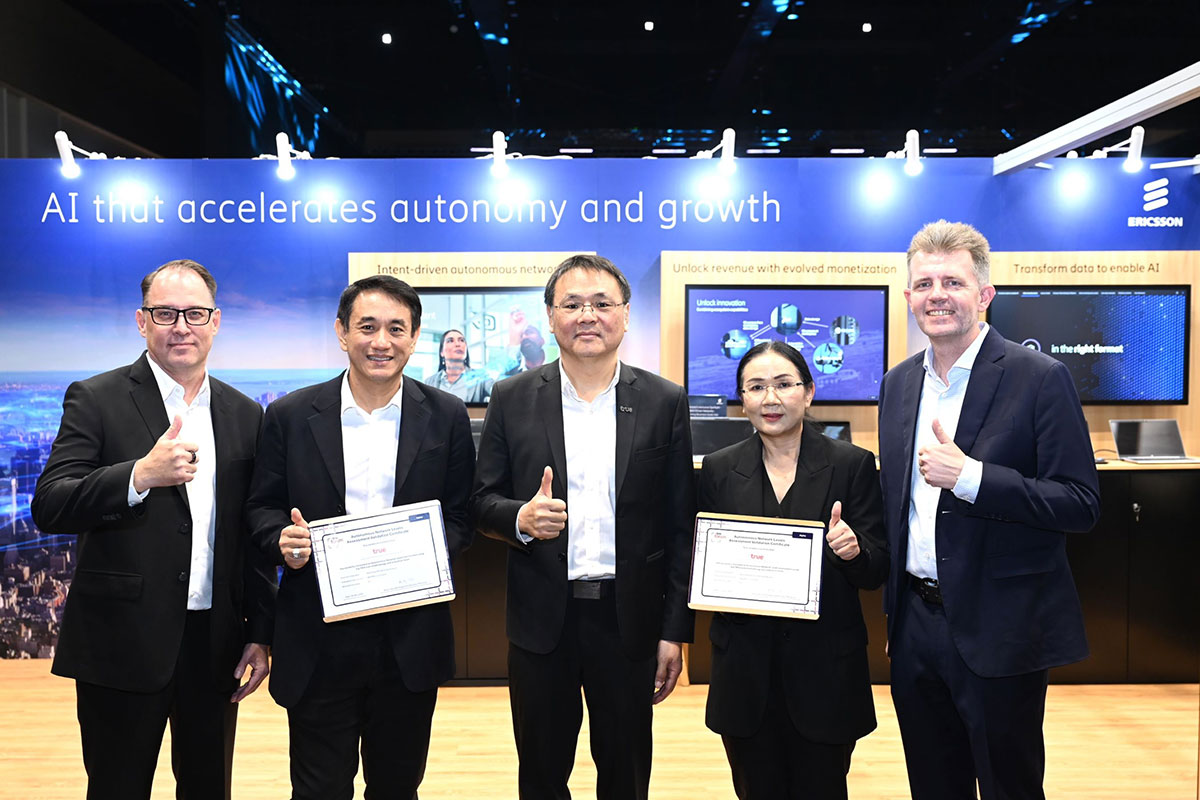
True Corporation has become the first mobile operator in Thailand to achieve Level 4 Autonomy validation for 5G Service Assurance from TM Forum, marking a major milestone in intelligent network operations and automation. The validation by TM Forum under its Autonomous Network Level Assessment Validation (ANLAV) program confirms that for the Service Assurance – RAN Throughput Management scenario, True’s 5G network powered by Ericsson’s AI-enabled Intent-based Operations, is capable of operating independently with advanced automation. And it is ready to support industrial-grade services and AI-powered applications across Thailand.

This Level 4 Autonomy validation for 5G Service Assurance places True Corporation alongside global leaders in autonomous network innovation and reinforces Thailand’s position as a digital frontrunner in Southeast Asia.

The throughput management capability assessed under the ANLAV program has been active in the True network since the start of Q4 2025. It leverages the latest GenAI technologies to manage conflicting intents, simulate solutions using digital twins, and swiftly execute the best actions ensuring fast, reliable, connectivity in the True network.

Khurrum Ashfaque, Chief Network Officer of True Corporation Plc says, “Autonomous networks are the future of telecom, and this validation confirms that True Corporation is leading the way in both Thailand and globally. With Ericsson’s cutting-edge AI and automation technologies, we’ve built a network that is not only fast and reliable but also intelligent and self-optimizing. This milestone empowers us to deliver differentiated services to consumers and enterprises, while supporting Thailand’s journey towards becoming a digital economy.”

Anders Rian, Head of Ericsson Thailand, says, “True’s achievement of Level 4 autonomy in this high-value scenario is a testament to the strength of our partnership and the power of Ericsson’s Intent-based Operations. This validation from TM Forum confirms that the True network uses AI to predict issues and automatically adjust itself to maintain optimal performance. It can monitor, analyse, and optimize in real-time, making it more reliable, agile, secure, and easier to manage.”

“We are proud to support True Corporation in reaching this important milestone,” Rian adds. “With our global experience in deploying autonomous 5G networks, Ericsson brings world-class innovation to Thailand. This validation reflects our shared commitment to delivering a robust, reliable and secure 5G experience to Thai consumers and industries.”

CTO of TM Forum George Glass says, “Our members are a driving force for industry transformation towards autonomous networks and it’s inspiring to celebrate this progress. Ericsson and True’s achievement of Level 4 autonomy for this high-value scenario demonstrates how collaboration and innovation can unlock new levels of intelligence and efficiency in network operations for a more agile, automated, and AI-powered future.”

Ericsson and True Corporation have built a strong, long-term partnership to deliver a world-class, future-ready 5G network. This collaboration on AI-powered Intent-based Operations (IBO), part of the Ericsson Operations Engine in the company’s Managed Network Services portfolio, enables premium 5G services with guaranteed service level agreements (SLAs) for both consumers and enterprises.