
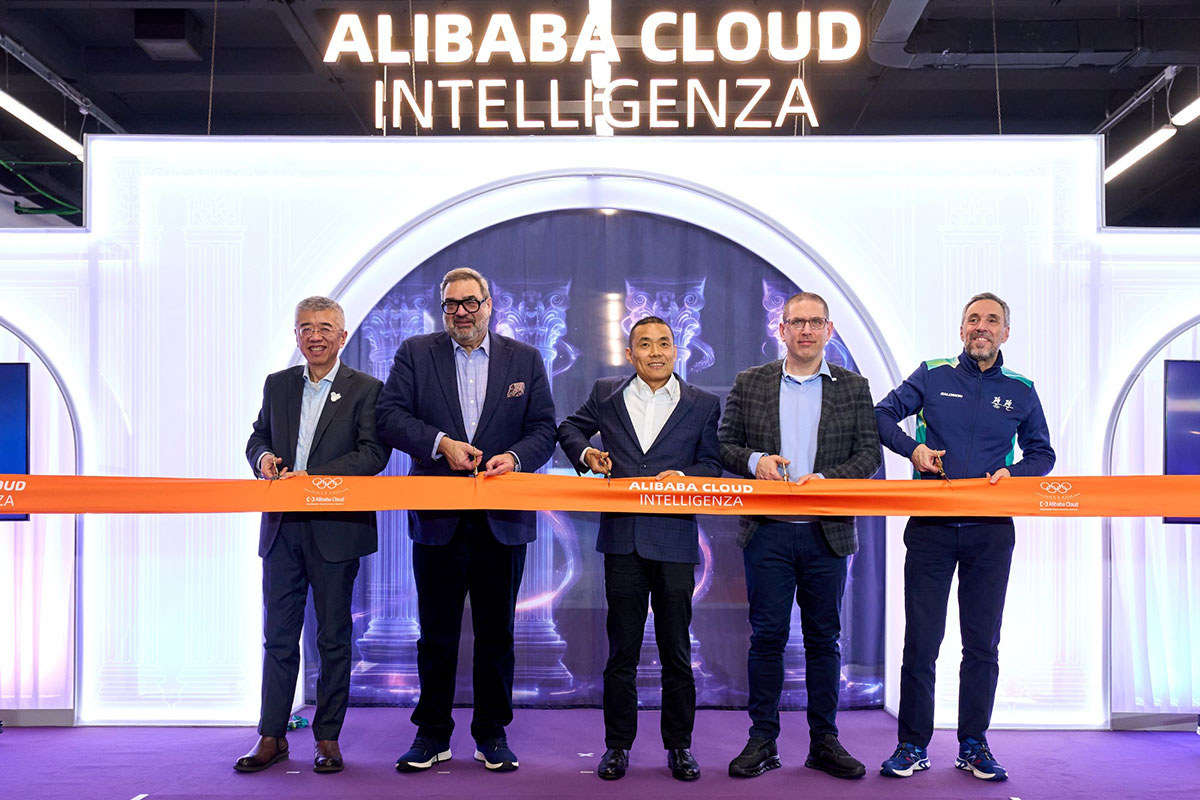
Alibaba Brings Cloud-Based AI Innovation to the Olympic Winter Games Milano Cortina 2026

อาลีบาบา ส่ง นวัตกรรม Cloud-Based AI ขับเคลื่อนโอลิมปิกฤดูหนาว Milano Cortina 2026

Alibaba Brings Cloud-Based AI Innovation to the Olympic Winter Games Milano Cortina 2026

  • New AI and cloud technologies support smarter, faster, and more efficient Olympic broadcasting worldwide
  • Alibaba’s Qwen powers the first use of LLM technology at the Olympics and a next-generation Olympic archive

Alibaba Cloud, the digital technology and intelligence backbone of Alibaba Group, is partnering with Olympic Broadcasting Services (OBS) and the International Olympic Committee (IOC) to deploy advanced cloud and AI technologies for the Olympic and Paralympic Winter Games Milano Cortina 2026.

Building on deployments at Tokyo 2020, Beijing 2022, and Paris 2024, the collaboration marks another step in the IOC’s transition toward cloud-based, AI-enabled broadcasting. These technologies are designed to enhance viewing experience for global audiences, improve operational efficiency for broadcasters, and create new ways to capture, manage, and preserve Olympic content at scale.

Dr. Feifei Li, Senior Vice President of Alibaba Cloud Intelligence Group, President of International Business, said: “Each Olympic Games presents unique challenges in scale, geography, and complexity. For Milano Cortina 2026, we are applying cloud and AI capabilities to make broadcasts more dynamic, workflows more efficient, and Olympic moments more accessible to audiences around the world.”

Better Views: The New Instant Replay System

For Milano Cortina 2026, Alibaba Cloud is introducing upgraded Real-Time 360º Replay systems that deliver immersive replays with fluid camera movement and stroboscopic visual effects. Powered by AI algorithm that separate athletes from complex backgrounds such as snow and ice, the system enables three-dimensional reconstructions of key moments in as little as 15-20 seconds—fast enough for live broadcast use. 

The system will be deployed across 17 sports and disciplines, including ice hockey, freestyle skiing, figure skating, and ski jumping. In addition to the BulletTime effects first introduced at Beijing 2022 to provide frame-freeze and slow-motion views, the platform now features a new Spacetime Slices capability that visualizes multiple phases of an athlete’s movement in a single composite image, allowing viewers to better understand technique and performance.

Alibaba Cloud Real-Time 360° Replay Technology Test Video:

https://youtu.be/AaaILABfm1Q

Faster Processing and Enhanced Searchability: The New Media System

OBS is currently in the early development phase of the Automatic Media Description (AMD) System powered by Alibaba’s Qwen advanced large language model. The system automatically identifies athletes and key moments, generates event descriptions, and tags video assets within seconds, significantly reducing manual processing time.

Using natural-language queries, such as “find the figure skating gold medal performance,” the OBS teams can retrieve this information almost instantly. The system improves searchability, and enables OBS teams to more easily find, develop and distribute Olympic stories across platforms.

Cloud Broadcasting: A New Standard

Cloud-based broadcasting continues to expand at Milano Cortina 2026. Since its introduction at Tokyo 2020, OBS Live Cloud has evolved from an optional service to a core distribution platform. At the Paris 2024 Games, it became the primary method for remote broadcast delivery. 

For Milano Cortina 2026, the Live Cloud platform will support 39 broadcasters, delivering 428 live video feeds, including 26 in ultra-high definition streams, along with 72 audio feeds. By replacing traditional satellite links and dedicated transmission lines, cloud-based delivery reduces cost, setup time, and technical complexity, while improving flexibility and resilience.

For the first time, the OBS Olympic Video Player (OVP) will deliver high-definition live streams using Alibaba Cloud’s infrastructure, enabling smaller broadcasters to access professional-grade broadcast capabilities without heavy upfront investment.

Yiannis Exarchos, CEO, Olympic Broadcasting Services, said “Alibaba Cloud provides the foundation that makes large-scale AI possible, making our operations more efficient and unlocking new opportunities to enhance viewers’ experience and deepen their understanding of the sport and athletes’ performances on the world’s biggest stage.”

More Digital Content Than Ever

Milano Cortina 2026 will also see the largest volume of ready-to-use digital assets in Olympic history. More than 5,000 short-form pieces, including behind-the-scenes footage, highlights, and emotional reactions, will be distributed through OBS Content+, a cloud-based platform powered by Alibaba Cloud. 

The platform’s advanced discovery tool allows teams worldwide to locate, edit, and publish content efficiently, regardless of location. 

First Use of LLM Technologies at the Olympics and Next-Generation Olympic Archive with Alibaba’s Qwen

For Milano Cortina 2026, the IOC has introduced its first large-language-model-based system in Olympic history, powered by Alibaba’s Qwen models. The initiative, known as “Olympic AI Assistants,” supports fan engagement worldwide and internal operations across the Olympic ecosystem. 

The Olympic AI Assistant, embedded on the IOC’s global website olympics.com, provides multilingual conversational support, real-time event information allowing fans to access official Olympic Games content through a chat-based interface.

The same Qwen-powered technology is being deployed at the Olympic Museum in Lausanne, where visitors will have access to personalized AI audio guides that enhance the museum experience.

Internally, the IOC has launched an AI Assistant – powered by Alibaba’s Qwen large language model—on its secure portal for National Olympic Committees (NOCs). The AI tool enables NOC staff to locate documents, policies, and grant guidelines through natural language queries, with built-in multilingual translation support.

In parallel, Alibaba Cloud continues to enhance Sports AI, a cloud-based media archiving solution first introduced at the Paris 2024 Games. The upgraded solution includes AI tagging, video search, and conversational search, making the Olympics archive instantly searchable and more accessible. 

Managing more than eight petabytes of historical Olympic media, the system utilizes Alibaba Cloud’s proprietary AI algorithms to automate tagging, categorization, and multimodal search across decades of content. New conversational search capabilities, powered by Alibaba’s Qwen, allow users to retrieve specific clips using simple spoken or written commands.

By integrating with the IOC’s media asset platform, Flex, the solution enables fully automatic tagging of Olympic multimedia assets, turning previously unused media assets into a living, searchable knowledge library.

Ilario Corna, Chief Technology and Information Officer, International Olympic Committee, said: “Milano Cortina 2026 marks a defining moment in the integration of AI into the Olympic Movement. Alibaba Cloud has been incredible in putting these leading capabilities to work in very practical, helpful ways—not only enhancing the everyday experience for our fans through first use of LLM technologies at the Olympics, but building intelligent systems such as Sports AI that will preserve historic Olympic moments for generations to come.

Leveraging Alibaba’s cloud-based technologies, we have progressed way beyond digitalization for efficiency to using technologies to transform the entire Olympic experience through AI innovations. The tangible benefits brought by cloud and AI are now visible not only to the IOC, NOCs, OBS and Right Holding Broadcasters, but also to audience and sports fans worldwide.”

Since Alibaba Group became a Worldwide TOP Partner of the IOC in 2017, Alibaba Cloud has played an increasingly central role in how the Olympic Games are delivered, experienced, and remembered—helping to place cloud computing and AI at the core of the world’s largest sporting event.

อาลีบาบา ส่ง นวัตกรรม Cloud-Based AI ขับเคลื่อนโอลิมปิกฤดูหนาว Milano Cortina 2026

อาลีบาบา ส่ง นวัตกรรม Cloud-Based AI ขับเคลื่อนโอลิมปิกฤดูหนาว Milano Cortina 2026

อาลีบาบา ส่ง นวัตกรรม Cloud-Based AI ขับเคลื่อนโอลิมปิกฤดูหนาว Milano Cortina 2026

  • เทคโนโลยี AI และคลาวด์รุ่นใหม่ ยกระดับการถ่ายทอดสดกีฬาโอลิมปิกสู่ทั่วโลก ให้ทำได้ด้วยความชาญฉลาด รวดเร็ว และมีประสิทธิภาพมากขึ้น
  • Qwen ของ Alibaba ขับเคลื่อนการใช้เทคโนโลยี LLM เป็นครั้งแรกของการจัดการแข่งขันกีฬาโอลิมปิก และขับเคลื่อนระบบคลังข้อมูลโอลิมปิกยุคใหม่

อาลีบาบา คลาวด์ (Alibaba Cloud) ธุรกิจด้านเทคโนโลยีดิจิทัลและหน่วยงานหลักด้านอินเทลลิเจนซ์ของอาลีบาบา กรุ๊ป ผนึกความร่วมมือกับหน่วยบริการกระจายเสียงแพร่ภาพโอลิมปิก (Olympic Broadcasting Services: OBS) และ คณะกรรมการโอลิมปิกสากล (International Olympic Committee: IOC) นำเทคโนโลยีคลาวด์และ AI ประสิทธิภาพสูงมาใช้ในมหกรรมการแข่งขันกีฬาโอลิมปิกและพาราลิมปิกฤดูหนาว Milano Cortina 2026

ความร่วมมือครั้งนี้เป็นการต่อยอดความสำเร็จจากบทพิสูจน์ในสนามจริง ณ Tokyo 2020, Beijing 2022 และ Paris 2024 และถือเป็นการเปลี่ยนผ่านครั้งสำคัญของ IOC สู่ยุคแห่งการถ่ายทอดสดผ่านคลาวด์ และ AI เทคโนโลยีเหล่านี้ได้รับการออกแบบมาเพื่อยกระดับประสบการณ์การรับชมให้กับผู้ชมทั่วโลก เพิ่มประสิทธิภาพการปฏิบัติงานให้กับผู้แพร่ภาพกระจายเสียง และสร้างมิติใหม่ในการบันทึก บริหารจัดการ และเก็บรักษาเนื้อหาจากกีฬาโอลิมปิกจำนวนมากให้คงอยู่

ดร. เฟยเฟย ลี รองประธานอาวุโส อาลีบาบา คลาวด์ อินเทลลิเจนซ์ กรุ๊ป และประธานธุรกิจระหว่างประเทศ กล่าวว่า “การแข่งขันกีฬาโอลิมปิกแต่ละครั้งมาพร้อมความท้าทายเฉพาะตัวที่แตกต่างกัน ทั้งในด้านขนาดของงาน ภูมิศาสตร์ และความซับซ้อนของการจัดการ สำหรับ Milano Cortina 2026 เราได้นำความสามารถของคลาวด์และ AI มาใช้เพื่อทำให้การถ่ายทอดสดมีความคล่องตัวและราบรื่นมากขึ้น เพิ่มประสิทธิภาพให้กับกระบวนการทำงาน และทำให้ผู้ชมทั่วโลกสามารถเข้าถึงทุกช่วงเวลาประทับใจของโอลิมปิกได้ง่ายขึ้น”

มิติใหม่แห่งการรับชม: ระบบรีเพลย์ทันทีโฉมใหม่

Alibaba Cloud เปิดตัวระบบรีเพลย์ 360 องศาแบบเรียลไทม์ (Real-Time 360º Replay) รุ่นอัปเกรด ที่ทำให้การรีเพลย์สุดสมจริงด้วยการเคลื่อนไหวของมุมกล้องที่ลื่นไหลและเอฟเฟกต์ภาพแบบเคลื่อนไหวต่อเนื่อง (stroboscopic) ระบบนี้ใช้ขุมพลังจากอัลกอริทึม AI ที่สามารถแยกตัวนักกีฬาออกจากฉากหลังที่ซับซ้อน เช่น หิมะและน้ำแข็งได้ จึงสามารถสร้างภาพสามมิติของช่วงจังหวะสำคัญต่าง ๆ ขึ้นใหม่ภายในเวลาเพียง 15-20 วินาทีเท่านั้น ซึ่งเร็วเพียงพอสำหรับใช้ในการถ่ายทอดสด

มีการนำไปใช้ในกีฬาและการแข่งขัน 17 ประเภท เช่น ฮอกกี้น้ำแข็ง (ice hockey) สกีฟรีสไตล์ (freestyle skiing) สเก็ตลีลา (figure skating) และสกีกระโดดไกล (ski jumping) นอกเหนือจากเอฟเฟกต์ BulletTime ต่าง ๆ ที่เปิดตัวครั้งแรกที่ Beijing 2022 เพื่อสร้างภาพหยุดนิ่งและภาพช้าแล้ว ณ การแข่งขันครั้งนี้แพลตฟอร์มนี้ยังเพิ่มฟีเจอร์ Spacetime Slices ซึ่งเป็นความสามารถใหม่ที่สามารถรวมภาพความเคลื่อนไหวของนักกีฬาในแต่ละจังหวะหลายช่วงไว้ในภาพเดียว ช่วยให้ผู้ชมเข้าใจเทคนิคและประสิทธิภาพของนักกีฬานั้น ๆ ได้ชัดเจนมากขึ้น

ประมวลผลฉับไว ค้นหาแม่นยำ: ระบบจัดการสื่อโฉมใหม่

ปัจจุบัน OBS กำลังพัฒนาระบบ Automatic Media Description (AMD) ในระยะเริ่มต้น ระบบนี้ใช้ขุมพลังจากโมเดล Qwen ซึ่งเป็นโมเดลภาษาขนาดใหญ่ศักยภาพสูงของ Alibaba ระบบนี้สามารถระบุตัวนักกีฬาและช่วงเวลาสำคัญต่าง ๆ สร้างคำบรรยายเหตุการณ์หรือการแข่งขัน และติดแท็กข้อมูลวิดีโอต่าง ๆ ได้ภายในไม่กี่วินาที ช่วยลดเวลาการทำงานด้วยแรงงานคนลงได้อย่างมาก

ระบบนี้ช่วยให้ทีมงาน OBS จะสามารถดึงข้อมูลต่าง ๆ ได้เกือบจะทันทีเมื่อมีการใช้คำสั่งค้นหาด้วยภาษาธรรมชาติ เช่น “ค้นหาการแสดงของเจ้าของเหรียญทองสเก็ตลีลา” นอกจากการเพิ่มประสิทธิภาพในการค้นหาแล้ว ระบบนี้ยังช่วยให้ทีมงาน OBS สามารถค้นพบ เรียบเรียง และเผยแพร่เรื่องราวต่าง ๆ ของโอลิมปิกบนทุกแพลตฟอร์ม ได้ง่ายขึ้น   

 การถ่ายทอดสดผ่านคลาวด์คือมาตรฐานใหม่

OBS Live Cloud ได้เปิดตัว ณ การแข่งขัน Tokyo 2020 ตั้งแต่นั้นมาได้พัฒนาจากการเป็นบริการทางเลือกไปสู่การเป็นแพลตฟอร์มหลักของการกระจายสัญญาณ และได้กลายเป็นช่องทางหลักสำหรับการส่งสัญญาณถ่ายทอดสดจากระยะไกล ณ การแข่งขัน Paris 2024 และแน่นอนว่าการถ่ายทอดสดผ่านคลาวด์จะยังคงขยายสมรรถนะอย่างต่อเนื่อง ณ การแข่งขัน Milano Cortina 2026

ณ Milano Cortina 2026 แพลตฟอร์ม Live Cloud จะให้บริการผู้แพร่ภาพกระจายเสียง 39 ราย ส่งสัญญาณวิดีโอสด 428 รายการ รวมถึงสตรีมความละเอียดสูงพิเศษอีก 26 รายการ และสัญญาณเสียง 72 รายการ การเปลี่ยนมาใช้คลาวด์แทนที่การส่งสัญญาณผ่านดาวเทียมและสายส่งสัญญาณแบบดั้งเดิม ช่วยลดค่าใช้จ่าย ลดเวลาในการติดตั้ง และลดความซับซ้อนทางเทคนิค ในขณะเดียวกันก็ช่วยเพิ่มความยืดหยุ่นและความเสถียร

ระบบ Olympic Video Player (OVP) ของ OBS จะให้บริการสตรีมมิ่งสดความละเอียดสูงผ่านโครงสร้างพื้นฐานของ Alibaba Cloud เป็นครั้งแรก ซึ่งช่วยให้ผู้แพร่ภาพกระจายเสียงรายเล็กสามารถเข้าถึงขีดความสามารถในการถ่ายทอดออกอากาศระดับมืออาชีพได้โดยไม่ต้องลงทุนล่วงหน้าจำนวนมาก

นายยานนิส เอ็กซาร์โซส ประธานเจ้าหน้าที่บริหารของ Olympic Broadcasting Services กล่าวว่า “Alibaba Cloud มอบโครงสร้างพื้นฐานที่ทำให้สามารถนำ AI ไปใช้ในงานขนาดใหญ่ได้ ช่วยให้การดำเนินงานของเรามีประสิทธิภาพมากขึ้น และเปิดประตูสู่โอกาสใหม่ ๆ ที่จะทำให้ผู้ชมได้รับประสบการณ์ที่ดีขึ้น และช่วยให้ผู้ชมได้เข้าถึงและเข้าใจรายละเอียดของชนิดกีฬา สมรรถนะและผลงานของนักกีฬาบนเวทีระดับโลกได้อย่างลึกซึ้งมากขึ้น”

จัดเต็มคอนเทนต์ดิจิทัล มากกว่าที่เคยมีมา

Milano Cortina 2026 จะเป็นการแข่งขันที่มีปริมาณคอนเทนต์ดิจิทัลที่พร้อมใช้งานมากที่สุดในประวัติศาสตร์โอลิมปิก จะมีคลิปวิดีโอสั้นมากกว่า 5,000 รายการ ซึ่งรวมถึงภาพเบื้องหลังการแข่งขัน ไฮไลท์ต่าง ๆ และช็อตอารมณ์ความรู้สึกที่น่าประทับใจ ทั้งหมดนี้จะได้รับการเผยแพร่ผ่าน OBS Content+ ซึ่งเป็นแพลตฟอร์มบนคลาวด์ที่ขับเคลื่อนโดย Alibaba Cloud

เครื่องมือค้นหาประสิทธิภาพสูงของแพลตฟอร์มนี้จะช่วยให้ทีมงานจากทั่วทุกมุมโลกสามารถค้นหา ตัดต่อ และเผยแพร่คอนเทนต์ได้อย่างมีประสิทธิภาพ โดยไม่มีข้อจำกัดในเรื่องของสถานที่อีกต่อไป


ครั้งแรกในโอลิมปิกกับการใช้เทคโนโลยี LLM และคลังข้อมูลโอลิมปิกยุคใหม่ ด้วย Qwen จาก Alibaba

คณะกรรมการโอลิมปิกสากล (IOC) ได้เปิดตัวระบบที่ใช้โมเดลภาษาขนาดใหญ่เป็นครั้งแรกในประวัติศาสตร์โอลิมปิก ณ การแข่งขัน Milano Cortina 2026 ภายใต้ชื่อ “Olympic AI Assistants” ระบบนี้ขับเคลื่อนด้วยโมเดล Qwen ของ Alibaba เพื่อส่งเสริมให้แฟนกีฬาทั่วทุกมุมโลกได้มีส่วนร่วมกับการแข่งขัน และสนับสนุนการดำเนินงานภายในระบบนิเวศของการจัดการแข่งขันโอลิมปิกทั้งหมด

The Olympic AI Assistant ติดตั้งอยู่บน olympics.com ซึ่งเป็นเว็บไซต์ของ IOC ที่ใช้กันทั่วโลกให้บริการสนับสนุนด้านการสนทนาหลายภาษา และมอบข้อมูลการแข่งขันแบบเรียลไทม์ ช่วยให้แฟนกีฬาเข้าถึงเนื้อหาที่เป็นทางการของการแข่งขันกีฬาโอลิมปิกผ่านอินเทอร์เฟซแบบแชท

นอกจากนี้ ยังมีการนำเทคโนโลยีที่ขับเคลื่อนด้วย Qwen ในลักษณะเดียวกันนี้ไปใช้ที่พิพิธภัณฑ์โอลิมปิก (Olympic Museum) ในเมืองโลซานน์ ซึ่งผู้เข้าชมพิพิธภัณฑ์สามารถใช้บริการไกด์เสียงจาก AI ที่เฉพาะเจาะจงสำหรับผู้เข้าชมนั้น ๆ เป็นการยกระดับประสบการณ์การเข้าชมพิพิธภัณฑ์ให้ดีมากขึ้น

IOC ยังได้เปิดตัว AI Assistant ที่ใช้โมเดลภาษาขนาดใหญ่ Qwen ของ Alibaba เพื่อใช้งานภายในองค์กร บนพอร์ทัลคณะกรรมการโอลิมปิกแห่งชาติ (National Olympic Committees: NOCs) ที่มีการรักษาความปลอดภัยอย่างเข้มงวด เครื่องมือ AI นี้ ช่วยให้พนักงานของ NOC ค้นหาเอกสาร นโยบาย และแนวทางการให้ทุนต่าง ๆ ผ่านการค้นหาด้วยภาษาธรรมชาติ ที่มาพร้อมการสนับสนุนการแปลภาษาหลายภาษาที่ติดตั้งมาพร้อมใช้

Alibaba Cloud ยังคงเดินหน้าเพิ่มประสิทธิภาพให้กับ Sports AI ซึ่งเป็นโซลูชันการจัดเก็บคลังข้อมูลสื่อบนคลาวด์ที่เปิดตัวครั้งแรก ณ การแข่งขัน Paris 2024 ควบคู่กันไป โซลูชันนี้ได้รับการอัปเกรดด้วยการติดแท็กด้วย AI การค้นหาวิดีโอ และการค้นหาในรูปแบบการสนทนา ซึ่งช่วยให้การสืบค้นคลังข้อมูลโอลิมปิกทำได้อย่างทันทีและเข้าถึงข้อมูลเหล่านั้นได้มากขึ้น

ระบบนี้ทำการบริหารจัดการคลังข้อมูลสื่อของโอลิมปิกในอดีตมากกว่าแปดเพตะไบต์ โดยใช้อัลกอริทึม AI ที่เป็นเอกสิทธิ์เฉพาะของ Alibaba Cloud ทำการติดแท็ก จำแนกและจัดหมวดหมู่ และสืบค้นข้อมูลแบบมัลติโมดัลครอบคลุมเนื้อหาย้อนหลังหลายทศวรรษโดยอัตโนมัติ ความสามารถใหม่ในการสืบค้นผ่านการสนทนาที่ขับเคลื่อนด้วย Qwen ของ Alibaba ช่วยให้ผู้ใช้สามารถเรียกดูคลิปที่เจาะจงโดยใช้คำสั่งเสียงหรือการพิมพ์ข้อความง่าย ๆ

การบูรณาการโซลูชันนี้เข้ากับ Flex ซึ่งเป็นแพลตฟอร์มด้านสินทรัพย์ด้านสื่อของ IOC ช่วยให้โซลูชันนี้สามารถติดแท็กสินทรัพย์มัลติมีเดียของโอลิมปิกได้อย่างอัตโนมัติ เป็นการเปลี่ยนสินทรัพย์ด้านสื่อที่ไม่ได้ใช้งานมาก่อนให้กลายเป็นคลังความรู้ที่มีชีวิตและสามารถสืบค้นข้อมูลต่าง ๆ ได้

นายอิลาริโอ คอร์นา ประธานเจ้าหน้าที่ฝ่ายเทคโนโลยีและสารสนเทศ คณะกรรมการโอลิมปิกสากล กล่าวว่า “Milano Cortina 2026 นับเป็นช่วงเวลาสำคัญในการบูรณาการ AI เข้ากับความเคลื่อนไหวของโอลิมปิก Alibaba Cloud ได้แสดงศักยภาพอย่างยอดเยี่ยมในการนำความสามารถระดับแนวหน้าต่าง ๆ เหล่านี้มาใช้ให้เกิดประโยชน์อย่างเป็นรูปธรรม ซึ่งไม่เพียงเป็นการยกระดับประสบการณ์การรับชมกีฬาในทุก ๆ วันให้กับแฟนกีฬาผ่านการใช้เทคโนโลยีโมเดลด้านภาษาขนาดใหญ่เป็นครั้งแรกของการแข่งขันโอลิมปิกเท่านั้น แต่ยังเป็นการสร้างระบบที่ชาญฉลาด เช่น Sports AI ที่จะช่วยเก็บรักษาช่วงเวลาประวัติศาสตร์ของโอลิมปิกไว้ให้คงอยู่สืบต่อไปยังคนรุ่นหลัง  

การใช้เทคโนโลยีคลาวด์ของ Alibaba ช่วยให้เราก้าวไปไกลมากกว่าการใช้ดิจิทัลเพื่อเพิ่มประสิทธิภาพการทำงาน แต่เป็นการใช้เทคโนโลยีเพื่อพลิกโฉมประสบการณ์โอลิมปิกทั้งหมดด้วยนวัตกรรมด้าน AI ประโยชน์ที่เป็นรูปธรรมของการใช้คลาวด์และ AI ไม่เพียงปรากฎให้ IOC, NOCs, OBS และผู้ถือลิขสิทธิ์การถ่ายทอดสดเห็นจริงแล้วเท่านั้น แต่ยังรวมถึงผู้รับชมและแฟนกีฬาทั่วโลกอีกด้วย”

นับตั้งแต่ปี 2017 ที่ Alibaba Group ได้ก้าวเข้ามาเป็นพันธมิตรหลักระดับโลกของ IOC บริษัทฯ มีบทบาทสำคัญต่อการจัดการแข่งขันกีฬาโอลิมปิกเพิ่มขึ้นเรื่อย ๆ ทั้งในด้านการจัดและการดำเนินงาน การถ่ายทอดเนื้อหา การสร้างประสบการณ์การรับชม และการสืบสานความทรงจำแห่งโลกกีฬา บริษัทฯ มีส่วนสำคัญให้คลาวด์คอมพิวติ้งและ AI กลายเป็นหัวใจหลักของการแข่งขันกีฬาที่ยิ่งใหญ่ที่สุดในโลก

From Chatbot to Agent The Unlock for Enterprise AI at Scale

จาก Chatbot สู่ Agent ปลดล็อกประสิทธิภาพการใช้ AI องค์กร เต็มรูปแบบ

From Chatbot to Agent The Unlock for Enterprise AI at Scale

Article by Alibaba Cloud

The industry consensus is clear: 2025 marks the dawn of the AI Agent era. Moving beyond today’s chatbots and copilots, an AI Agent is perceived as an intelligent system that can independently set goals, make complex decisions, and execute multi-step tasks with human oversight. This shift from passive knowledge tools to proactive, action-oriented systems represents a major leap in agentic capability.

As McKinsey highlights, the next frontier for generative AI is the transition from knowledge-based tasks to action-based tasks performed by agents. Equipped with advanced reasoning, planning, and real-time strategic adaptation, AI agents are poised to operate in sophisticated environments to accomplish real-world tasks. It’s no surprise that the market for agentic AI is projected for explosive growth in the coming years.

The growth of AI Agent: From Experimentation to Growing Adoption

We are already witnessing this shift from a mere chatbot to agents taking actions. Enterprises are actively testing and deploying AI agents to streamline certain workflows—from automating meeting scheduling, analytics report generation and debugging code, to preparing marketing and sales campaigns, reviewing resumes and handling customer inquiries.

Some forecasts indicate that by 2026, agentic AI will start mature from isolated experiments to broader deployment among businesses. This acceleration will be fueled by significant advancements in agentic capabilities, including increased autonomy, context awareness, tool integration, multimodal capabilities, personalization, long-term memory, security and alignment.

Yet for wider adoption of agents to address business demands, there is still a lot of work to do – currently AI agents rely on the underlying large language models to perform tasks, and to reduce hallucination and increase accuracy in a specific domain, agent service providers need to work closely with enterprise clients to develop tailored, specialized agents that can solve the day-to-day business issues with high accuracy (consider deploying a healthcare agent in a clinic).

Hence, how to develop agents that enable flexible tool use to solve issues, real-time intervention control for alignment, and intelligent context management to increase accuracy, is paramount to drive the wider adoption of AI agents in enterprises. 

From ModelScope to AgentScope: Managing a growing herd of AI agents

While we are moving into an agent era, we see another critical evolution within it: To unlock enterprises’ AI values, it is pivotal to shift from standalone model or agent use, to collaborative, multi-agent systems deeply woven into the fabric of business operations. It is only through this collaboration that enterprises can harness AI at a scale sufficient to discover profound new business value and generate transformative growth opportunities.

Today’s platforms, such as Alibaba’s ModelScope which provide models as a service, have been instrumental in democratizing access to a vast library of individual AI models and helping businesses tap into different AI capabilities. However, the limitations of a single, monolithic model or agent become starkly apparent when facing dynamic, complex business problems. While a single agent can automate a task, it usually fails to orchestrate a process to accomplish sophisticated goals.

This challenge is giving rise to Multi-Agent Systems (MAS). Imagine a complex business problem not being solved by one powerful AI agent, but by a coordinated team of specialized agents. An investment decision, for instance, would need to be supported by a herd of agents: first, a finance analytics agent that works on the research of the potential investee’s fundamentals, financial reports and valuation assessment; then, a report analytics agent that reviews and summarizes investment firms’ previous reports on this potential investee; and finally, a news agent that provides an overview of the company’s media coverage and brand reputation.

For enterprises to truly unlock the value of AI at scale, multi-agent cooperation is not just an option but the key tipping point. Individual agents are powerful tools, but only when they learn to be good team players, can they maximize their individual capabilities and generate tangible, compound value at scale.

Agent Framework to Drive Multi-agent Collaboration

To make multi-agent cooperation a reality, robust agent frameworks are essential. These frameworks provide a centralized platform for multi-agent collaboration, coordinating diverse models, tools, and data sources and orchestrating various agents on different pieces of software to execute complex, multi-step actions autonomously.

Leading this charge is Alibaba’s AgentScope, an open-source, developer-centric framework built specifically for creating controllable, production-ready multi-agent applications. It features services including agent construction and orchestration, agent deployment and execution, as well as visual development and monitoring of agents. It covers the full lifecycle of agent development, deployment, and monitoring, while addressing the need for orchestrating multiple, specialized AI agents to work seamlessly together.

Agent frameworks such as AgentScope are more than a toolkit. It is a foundational technology that directly addresses the core requirement for orchestrating multiple AI specialists to achieve a common business objective. By enabling seamless collaboration among different agents, they will catalyze the rise of sophisticated multi-agent systems and fuel the widespread adoption of agentic AI we anticipate in 2026 and beyond.

The future of enterprise AI should not be solitary; it should be collaborative and coordinative.

จาก Chatbot สู่ Agent ปลดล็อกประสิทธิภาพการใช้ AI องค์กร เต็มรูปแบบ

จาก Chatbot สู่ Agent ปลดล็อกประสิทธิภาพการใช้ AI องค์กร เต็มรูปแบบ

จาก Chatbot สู่ Agent ปลดล็อกประสิทธิภาพการใช้ AI องค์กร เต็มรูปแบบ

บทความโดยอาลีบาบา คลาวด์

ภาคอุตสาหกรรมเห็นพ้องต้องกันอย่างชัดเจนว่าปี 2025 เป็นการเริ่มต้นยุค AI Agent ที่ปัจจุบันถูกมองว่าเป็นระบบอัจฉริยะที่ก้าวข้ามขีดจำกัดของ chatbots และ copilots โดย AI Agent สามารถกำหนดเป้าหมาย ตัดสินใจเรื่องซับซ้อน และดำเนินงานหลายขั้นตอนได้อย่างอิสระภายใต้การกำกับดูแลของมนุษย์ กล่าวได้ว่า การเปลี่ยนแปลงจากการเป็นเพียงเครื่องมือเก็บข้อมูลความรู้ (passive knowledge tools) ไปสู่การเป็นระบบที่ทำงานเชิงรุกและเน้นการลงมือปฏิบัติในครั้งนี้เป็นการก้าวกระโดดครั้งสำคัญด้านขีดความสามารถของ agent

McKinsey ชี้ให้เห็นว่าก้าวสำคัญต่อไปของ generative AI คือการเปลี่ยนผ่านจากงานที่ใช้ข้อมูลความรู้ (knowledge-based tasks) ไปสู่งานที่เน้นการลงมือทำโดย agents ทั้งนี้ AI agent ต่าง ๆ ที่มาพร้อมความสามารถในการใช้เหตุผล การวางแผน และการปรับกลยุทธ์แบบเรียลไทม์ ที่มีประสิทธิภาพล้ำหน้า จะพร้อมทำงานในสภาพแวดล้อมที่ซับซ้อน เพื่อให้การทำงานในโลกของการใช้งานจริงประสบผลสำเร็จ ดังนั้น จึงไม่น่าแปลกใจที่มีการคาดการณ์ว่าตลาด agentic AI จะเติบโตอย่างก้าวกระโดดในอีกไม่กี่ปีข้างหน้า

การเติบโตของ AI Agent: จากการทดลองสู่การใช้งานอย่างแพร่หลาย

เราได้เห็นการเปลี่ยนผ่านจาก chatbot ธรรมดา ๆ สู่การเป็น agent ที่สามารถลงมือปฏิบัติได้แล้ว องค์กรต่าง ๆ กำลังทดสอบและเริ่มนำ AI agents ไปใช้อย่างจริงจัง เพื่อเพิ่มประสิทธิภาพให้กับเวิร์กโฟลว์ต่าง ๆ ตั้งแต่การจัดตารางการประชุมอัตโนมัติ การสร้างรายงานการวิเคราะห์ และการดีบักโค้ด ไปจนถึงการเตรียมแคมเปญการตลาดและการขาย การคัดกรองจดหมายสมัครงาน และการจัดการคำถามจากลูกค้า

การคาดการณ์บางส่วนระบุว่า ภายในปี 2026 agentic AI จะเริ่มเติบโตเต็มที่ จากการเป็นเพียงการทดลองแบบแยกส่วน เปลี่ยนผ่านไปสู่การนำไปใช้ในกลุ่มธุรกิจต่าง ๆ อย่างกว้างขวาง การเร่งตัวนี้จะได้รับแรงหนุนจากขีดความสามารถที่เพิ่มขึ้นของ agent ซึ่งรวมถึงความเป็นอิสระที่เพิ่มขึ้น การรับรู้บริบท การผนวกเครื่องมือเข้าด้วยกัน ขีดความสามารถในการประมวลผลข้อมูลหลายรูปแบบ (multimodal capabilities) การปรับแต่งให้เหมาะกับแต่ละบุคคล หน่วยความจำระยะยาว รวมถึงความปลอดภัยและการปรับจูนให้สอดคล้อง (alignment) กับสิ่งที่มนุษย์ต้องการจริง ๆ

อย่างไรก็ตาม การจะนำ agents ไปใช้งานในวงกว้าง เพื่อตอบสนองความต้องการทางธุรกิจ ยังคงมีงานที่ต้องทำอีกมาก เพราะปัจจุบัน AI agents ยังคงต้องพึ่งพาโมเดลภาษาขนาดใหญ่ (LLMs) เป็นพื้นฐานในการดำเนินงานต่าง ๆ การจะสามารถลดการสร้างข้อมูลที่ไม่จริง (hallucination) และเพิ่มความแม่นยำในงานเฉพาะทางได้นั้น ผู้ให้บริการ agent ต้องทำงานอย่างใกล้ชิดกับลูกค้าองค์กรเพื่อพัฒนา agent ที่ปรับแต่งให้เหมาะสมเฉพาะงานที่ต้องการและมีความเชี่ยวชาญเฉพาะด้าน ซึ่งสามารถแก้ไขปัญหาทางธุรกิจในแต่ละวันได้ด้วยอย่างแม่นยำสูง (เช่น การนำ agent ด้านสุขภาพไปใช้ในคลินิก)

ดังนั้น การพัฒนา agent ที่สามารถใช้เครื่องมือต่าง ๆ ได้อย่างยืดหยุ่นเพื่อแก้ไขปัญหาต่าง ๆ เพื่อการควบคุมแทรกแซงแบบเรียลไทม์ เพื่อคงความสอดคล้องกับความต้องการของมนุษย์ และเพื่อการบริหารจัดการบริบทอย่างชาญฉลาดเพื่อเพิ่มความแม่นยำ จึงเป็นสิ่งที่มีความสำคัญสูงสุดในการขับเคลื่อนการนำ AI agents ไปปรับใช้ในองค์กรในวงกว้าง 

จาก ModelScope สู่ AgentScope: การจัดการกลุ่ม AI agents ที่กำลังเติบโต

เราได้เห็นวิวัฒนาการที่สำคัญอีกอย่างหนึ่งของยุค agent นั่นคือการที่จะปลดล็อกให้องค์กรได้ใช้ AI อย่างเต็มประสิทธิภาพ ต้องเปลี่ยนจากการใช้โมเดลหรือ agent แบบ standalone ไปสู่ระบบ multi-agent ที่ทำงานร่วมกัน และถูกถักทอเข้าเป็นส่วนหนึ่งของการดำเนินงานทางธุรกิจอย่างแน่นหนา การทำงานร่วมกันลักษณะนี้เท่านั้นที่จะช่วยให้องค์กรใช้ประโยชน์จาก AI ในระดับที่เพียงพอที่จะสามารถค้นพบมูลค่าทางธุรกิจใหม่ ๆ และสร้างโอกาสในการเติบโตที่ก่อให้เกิดการเปลี่ยนแปลงแบบพลิกโฉมได้

แพลตฟอร์มในปัจจุบัน เช่น ModelScope ของอาลีบาบา ซึ่งให้บริการแบบ models as a service มีบทบาทสำคัญอย่างยิ่งในการเปิดให้ผู้ใช้งานเข้าถึงไลบรารี่ขนาดใหญ่ของโมเดล AI แต่ละโมเดล และช่วยให้ธุรกิจดึงศักยภาพของ AI หลากหลายรูปแบบมาใช้ประโยชน์ อย่างไรก็ตาม ข้อจำกัดของโมเดลหรือเอเจนต์เดี่ยวที่มีโครงสร้างแบบโมโนลิธิก (single, monolithic model or agent) กลับปรากฏชัดเจนเมื่อองค์กรต้องรับมือกับปัญหาที่ซับซ้อนและเปลี่ยนแปลงอย่างต่อเนื่อง แม้ว่าเอเจนต์เดี่ยวจะสามารถทำงานแบบอัตโนมัติได้ แต่โดยทั่วไปแล้วยังไม่สามารถประสานกระบวนการเพื่อให้บรรลุเป้าหมายที่มีความซับซ้อนได้

ความท้าทายนี้กำลังนำไปสู่การเกิดขึ้นของระบบที่เรียกว่า Multi-Agent Systems (MAS) นั่นคือจะไม่ได้ใช้ AI agent ที่ทรงพลังเพียงเอเจนต์เดียวแก้ปัญหาทางธุรกิจที่ซับซ้อน แต่จะใช้เอเจนต์ที่เชี่ยวชาญเฉพาะทางด้านต่าง ๆ ทำงานร่วมกันเป็นทีมเพื่อแก้ไขปัญหานั้น ๆ เช่น การตัดสินใจลงทุน จะต้องได้รับการสนับสนุนจากกลุ่มเอเจนต์จำนวนมาก เริ่มจากเอเจนต์วิเคราะห์ด้านการเงิน ซึ่งจะทำการวิเคราะห์ปัจจัยพื้นฐาน รายงานการเงิน และ ประเมินมูลค่าของผู้ลงทุนที่มีศักยภาพ ต่อด้วย เอเจนต์วิเคราะห์รายงาน ที่ทำหน้าที่ตรวจสอบและสรุปรายงานก่อนหน้าของบริษัทด้านการลงทุนต่าง ๆ เกี่ยวกับผู้ที่อาจได้รับการลงทุนนี้ และสุดท้ายคือเอเจนต์ข่าวที่ให้ข้อมูลภาพรวมความเคลื่อนไหวของบริษัทในสื่อรวมถึงความน่าเชื่อถือและชื่อเสียงของแบรนด์

การทำงานร่วมกันของ multi-agent ไม่ได้เป็นเพียงทางเลือก แต่เป็นจุดเปลี่ยนสำคัญที่จะช่วยให้องค์กรต่าง ๆ ได้ใช้คุณประโยชน์ของ AI อย่างแท้จริงได้เต็มประสิทธิภาพ เอเจนต์แต่ละตัวเป็นเครื่องมือทรงพลังก็จริง แต่การจะเพิ่มความสามารถของแต่ละเอเจนต์ให้ถึงขีดสุด และสร้างผลตอบแทนที่จับต้องได้อย่างทวีคูณและต่อเนื่องในวงกว้างได้นั้น เอเจนต์เหล่านั้นจำเป็นต้องเรียนรู้ที่จะทำงานร่วมกันเป็นทีมได้อย่างมีประสิทธิภาพ

Agent Framework เพื่อขับเคลื่อนการทำงานร่วมกันของ Multi-agent

การที่จะทำให้การทำงานร่วมกันแบบ multi-agent เกิดขึ้นได้จริงนั้น จำเป็นต้องมี agent frameworks ที่แข็งแกร่ง เฟรมเวิร์กเหล่านี้ทำหน้าที่เป็นแพลตฟอร์มกลางให้เอเจนต์ต่าง ๆ ทำงานร่วมกัน ผสานโมเดล เครื่องมือ และแหล่งข้อมูลที่หลากหลายเข้าด้วยกัน รวมถึงประสานการทำงานของเอเจนต์ต่าง ๆ ที่อยู่บนซอฟต์แวร์หลายตัว เพื่อให้สามารถดำเนินการตามขั้นตอนที่ซับซ้อนหลายขั้นตอนได้อย่างอิสระ

AgentScope ของอาลีบาบา เป็นผู้นำด้านนี้ AgentScope เป็นเฟรมเวิร์กโอเพนซอร์สที่ให้ความสำคัญกับนักพัฒนาเป็นหลัก สร้างขึ้นพื่อการพัฒนาแอปพลิเคชัน multi-agent ที่ควบคุมได้และพร้อมใช้งานจริงอย่างเจาะจง มีบริการต่าง ๆ เช่น การสร้างและการประสานงานเอเจนต์ (agent construction and orchestration) การติดตั้งและดำเนินการของเอเจนต์ (agent deployment and execution) รวมถึงการพัฒนาและติดตามเอเจนต์ด้วยภาพ (visual development and monitoring) เฟรมเวิร์กนี้ครอบคลุมทุกขั้นตอนของวงจรในการพัฒนา การติดตั้งใช้งาน และการติดตามเอเจนต์ ทั้งยังตอบสนองความต้องการในการประสานงานอย่างเป็นระเบียบ (orchestrate) ให้กับ AI agent ที่เชี่ยวชาญเฉพาะด้านหลายตัวให้ทำงานร่วมกันได้อย่างราบรื่น

AgentScope คือ agent frameworks ที่เป็นมากกว่าชุดเครื่องมือ แต่เป็นเทคโนโลยีพื้นฐานที่ตอบโจทย์ความต้องการหลักในการผสานและจัดระเบียบความเชี่ยวชาญด้าน AI ที่หลากหลาย เพื่อให้บรรลุวัตถุประสงค์ทางธุรกิจร่วมกัน ด้วยความสามารถในการทำงานร่วมกันอย่างราบรื่นระหว่างเอเจนต์ต่าง ๆ เฟรมเวิร์กเหล่านี้เป็นตัวเร่งให้ระบบ multi-agent ที่ซับซ้อนเพิ่มขึ้นอย่างรวดเร็ว และขับเคลื่อนการนำ agentic AI มาใช้ในวงกว้าง ซึ่งเป็นสิ่งที่เราคาดการณ์ไว้ในปี 2026 และหลังจากนั้น

อนาคตของ AI ในระดับองค์กรไม่ควรแยกส่วนตามความสามารถเฉพาะตัว แต่ควรมุ่งเน้นไปที่ความร่วมมือ การประสานและจัดระเบียบความสอดคล้องในการการทำงานร่วมกัน

Alibaba Cloud Recognized Again as an Emerging Leader in All Four Gartner® Emerging Market Quadrants for Generative AI

อาลีบาบา คลาวด์ ได้รับการจัดให้อยู่ในกลุ่ม Emerging Leader ใน Gartner® Emerging Market Quadrants for Generative AI ทั้ง 4 ด้าน อีกครั้ง

Alibaba Cloud Recognized Again as an Emerging Leader in All Four Gartner® Emerging Market Quadrants for Generative AI

Recognition across GenAI infrastructure, models, engineering, and AI apps highlights Alibaba Cloud’s Features and Future Potential capabilities

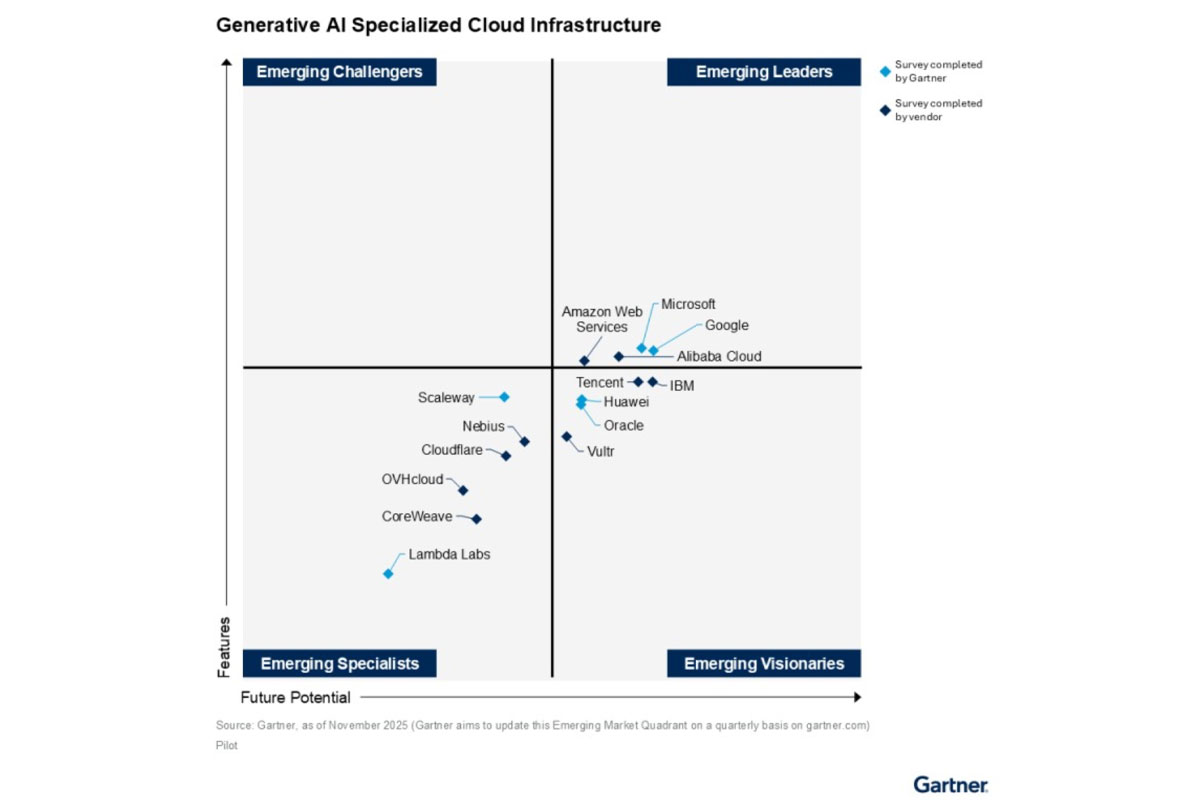
Alibaba Cloud, the digital technology and intelligence backbone of Alibaba Group, today announced it has again been recognized as an Emerging Leader across all four quadrants evaluated in the latest four Gartner® “Innovation Guide for Generative AI” reports, published in November 2025.

According to Gartner, the Emerging Market Quadrant provides “a visualization of generative AI vendors” in a “dynamic and fast-moving market,” and “Emerging Leaders typically possess visibility within the market as well as both strong features and future potential”.

“We believe our recognition as an Emerging Leader across the GenAI stack is a powerful validation of our integrated ‘AI + Cloud’ strategy,” said Jingren Zhou, Chief Technology Officer of Alibaba Cloud Intelligence. “From the optimized infrastructure that powers AI, to our leading Qwen models, the tools to engineer specialized applications, and the productivity apps that deliver value to end-users, we are committed to providing a holistic ecosystem that empowers businesses to innovate and succeed in the fast-moving era of AI.”

The four quadrants covered in the Gartner® “Innovation Guide for Generative AI” reports are: Generative AI Specialized Cloud Infrastructure, Generative AI Model Providers, Generative AI Engineering, and Generative AI Knowledge Management Apps.

A Full-Stack AI Ecosystem

The Gartner reports provide context for the critical capabilities in each domain, all of which Alibaba Cloud believes are addressed by its offerings:

Generative AI Specialized Cloud Infrastructure: Gartner defines this as “offerings that address the need to enable AI and machine learning (ML) activity,” including high-performance compute, storage, and networking for training and inference.

Alibaba Cloud provides a robust, AI-optimized cloud infrastructure foundation to meet these demanding workloads. It is the only cloud service provider in Asia Pacific recognized as an Emerging Leader among four global peers.

Generative AI Model Providers: This market includes “model providers that offer access to commercial or open-source foundation models.”

Alibaba’s proprietary Qwen model series, including the latest Qwen3, is a testament to its strength here. The open-source Qwen models have seen massive community adoption, with over 600 million downloads on platforms like Hugging Face and ModelScope, inspiring the creation of more than 170,000 derivative models.

Model Studio, Alibaba’s AI development platform, embodies this by enabling enterprises to fine-tune, manage, and deploy models efficiently, serving over 1 million corporates and individuals. It enables enterprises to build generative AI applications by leveraging a range of large language models (LLMs), such as Qwen and visual-generation Wan family of models.

Generative AI Engineering: Gartner notes this submarket focuses on “technologies providing full-model life cycle management, specifically adjusted to…developing, refining and deploying generative models.” 

Alibaba Cloud’s Platform for AI (PAI), is a comprehensive machine learning and deep learning engineering platform designed for enterprises and developers to build and use AI more easily. It supports the entire AI lifecycle in one integrated platform – from data labelling and model building, to model training, performance optimization, and real-world deployment.