Alibaba Cloud Named a Visionary in Gartner® Magic Quadrant™ for Cloud Infrastructure and Platform Services for Second Consecutive Year

Alibaba Cloud Launches Carbon Management Solution

Alibaba Cloud Named a Visionary in Gartner® Magic Quadrant™ for Cloud Infrastructure and Platform Services for Second Consecutive Year

Engineering capabilities, partnership ecosystem and digital channels reinforce cloud provider’s regional leadership

Alibaba Cloud, the digital technology and intelligence backbone of Alibaba Group, has been recognized as a Visionary in Gartner’s Magic Quadrant for Cloud Infrastructure and Platform Services (Magic Quadrant for CIPS) 2022 report for the second consecutive year. Alibaba Cloud believes the recognition for two years in a row demonstrates its key strengths in regional and engineering leadership, technology partner ecosystem, and data analytics capabilities.

According to Gartner, “Visionaries have an ambitious vision of the future and are making significant investments in the development of unique technologies.”

“We’re pleased to have once again been named a Visionary in this year’s Magic Quadrant for CIPS. We see this as an important recognition of our efforts to continuously enhance our cloud capabilities and reinforce our regional market leadership, as well as expand our corporate vision,” said Jiangwei Jiang, Senior Researcher and General Manager of Infrastructure Products, Alibaba Cloud Intelligence. “We will continue to broaden our international offerings and strengthen our core IaaS and PaaS features, aiming to bring greater value to our customers on their digital journeys.”

The scope of the Magic Quadrant for CIPS includes Infrastructure as a Service (IaaS) and integrated Platform as a Service (PaaS) offerings. The report analyzed each provider based on their Ability to Execute and the Completeness of Vision, and the evaluation criteria include Product or Service, Market Responsiveness, Business Model, Innovation and etc.

Alibaba Cloud retained a leading position in engineering capabilities, reflecting its progress in sustainable data center initiatives. By adopting self-developed immersion cooling technology, the company has significantly reduced the energy consumption of its data centers, with power usage effectiveness (PUE) reaching as low as 1.09 – a world-leading level.

Drawing on its big data and analytics capabilities, Alibaba Cloud has positioned itself as a provider of choice among businesses in Asia looking for a digital transformation partner.   Alibaba Cloud is a good fit for cloud-first digital business workloads for customers that are based in China or Southeast Asia.

Building upon its strong network of ISV partnerships in Asia, Alibaba Cloud launched a “Regional Accelerator” program to provide those operating in different markets with a localized collaboration model. In September 2022, the cloud provider also announced an investment of USD1 billion over the coming three years to expand its global ecosystem of partners, including technology partners (ISV, SaaS, and SI), service and consulting partners, and resellers.

In early 2022, Alibaba Group was shown as the third largest IaaS provider in the world and the biggest in Asia Pacific for the fourth consecutive year in Gartner’s Market Share: IT Services, 2021.

Gartner does not endorse any vendor, product or service depicted in its research publications, and does not advise technology users to select only those vendors with the highest ratings or other designation. Gartner research publications consist of the opinions of Gartner’s research organization and should not be construed as statements of fact. Gartner disclaims all warranties, expressed or implied, with respect to this research, including any warranties of merchantability or fitness for a particular purpose. GARTNER and Magic Quadrant are registered trademarks and service mark of Gartner, Inc. and/or its affiliates in the U.S. and internationally and are used herein with permission. All rights reserved.

Alibaba Cloud ได้รับเลือกให้เป็นหนึ่งในกลุ่ม Visionary จากรายงาน Gartner® Magic Quadrant™ ด้าน Cloud Infrastructure and Platform Services เป็นปีที่สองติดต่อกัน

Alibaba Cloud Launches Carbon Management Solution

Alibaba Cloud ได้รับเลือกให้เป็นหนึ่งในกลุ่ม Visionary จากรายงาน Gartner® Magic Quadrant™ ด้าน Cloud Infrastructure and Platform Services เป็นปีที่สองติดต่อกัน

ความสามารถด้านวิศวกรรม ระบบนิเวศด้านพันธมิตร และช่องทางดิจิทัลต่าง ๆ หนุนให้บริษัทฯ เป็นผู้ให้บริการคลาวด์ระดับแนวหน้าในภูมิภาค


Alibaba Cloud ธุรกิจด้านเทคโนโลยีดิจิทัลและหน่วยงานหลักด้านอินเทลลิเจนซ์ของอาลีบาบา กรุ๊ป ได้รับเลือกให้อยู่ในกลุ่ม Visionary จากรายงาน Gartner’s Magic Quadrant for Cloud Infrastructure and Platform Services (Magic Quadrant for CIPS) 2022 เป็นปีที่สองติดต่อกัน ซึ่งบริษัทฯ เชื่อว่าการได้รับรางวัลนี้ติดต่อกันสองปีซ้อน แสดงให้เห็นถึงความแข็งแกร่งในภูมิภาคและด้านความเป็นผู้นำด้านวิศวกรรม, ระบบนิเวศด้านพันธมิตรทางเทคโนโลยี และความสามารถในการวิเคราะห์ข้อมูล

Gartner ระบุว่า “กลุ่ม Visionaries เป็นผู้ที่มีวิสัยทัศน์มุ่งมั่นสู่อนาคต และกำลังลงทุนอย่างมีนัยสำคัญเพื่อพัฒนาเทคโนโลยีที่เป็นเอกลักษณ์”

นายเจียงเว่ย เจียง นักวิจัยอาวุโสและผู้จัดการทั่วไปฝ่ายผลิตภัณฑ์โครงสร้างพื้นฐานอาลีบาบา คลาวด์ อินเทลลิเจนซ์ กล่าวว่า “เรายินดีที่ได้รับเลือกให้อยู่ในกลุ่ม Visionary ใน Magic Quadrant for CIPS ปีนี้อีกครั้ง การได้รับเลือกครั้งนี้ แสดงให้เห็นว่า ความพยายามต่าง ๆ ในการเพิ่มขีดความสามารถด้านคลาวด์อย่างต่อเนื่องของเราได้รับการยอมรับอย่างมาก และเป็นการตอกย้ำความเป็นผู้นำตลาดในภูมิภาค รวมถึงการขยายวิสัยทัศน์ของบริษัทฯ เราจะขยายผลิตภัณฑ์และบริการในระดับสากล และเสริมความแข็งแกร่งให้กับฟีเจอร์สำคัญ ๆ ด้าน IaaS และ PaaS อย่างต่อเนื่อง โดยมีเป้าหมายเพื่อมอบคุณประโยชน์ที่สนับสนุนการดำเนินธุรกิจบนเส้นทางดิจิทัลให้กับลูกค้าได้มากขึ้น” 

ขอบเขตการพิจารณาของการจัดลำดับ Magic Quadrant for CIPS ประกอบด้วยข้อเสนอต่าง ๆ ด้าน Infrastructure as a Service (IaaS) และ Platform as a Service (PaaS) แบบบูรณาการ รายงานนี้ได้วิเคราะห์ผู้ให้บริการแต่ละรายตามความความสามารถและความสำเร็จของการดำเนินการตามวิสัยทัศน์ ส่วนเกณฑ์การประเมิน ประกอบด้วย ผลิตภัณฑ์หรือบริการ การตอบสนองต่อตลาด รูปแบบทางธุรกิจ นวัตกรรม และอื่น ๆ

Alibaba Cloud ยังคงรั้งตำแหน่งผู้นำด้านความสามารถทางวิศวกรรมต่าง ๆ ซึ่งสะท้อนให้เห็นถึงความก้าวหน้าในการริเริ่มด้านดาต้าเซ็นเตอร์แบบยั่งยืนของบริษัทฯ ที่ใช้เทคโนโลยีการระบายความร้อนแบบเเช่ (immersion cooling) ที่บริษัทฯ พัฒนาขึ้นเอง และสามารถลดการใช้พลังงานในดาต้าเซ็นเตอร์ของบริษัทลงได้อย่างมาก โดยค่าชี้วัดความคุ้มค่าของการใช้พลังงานไฟฟ้าในดาต้าเซ็นเตอร์ (PUE) แตะระดับต่ำที่ 1.09 ซึ่งอยู่ในระดับชั้นนำของโลก

ข้อมูลขนาดใหญ่ของบริษัทฯ และความสามารถในการวิเคราะห์ข้อมูลส่งให้ Alibaba Cloud วางตำแหน่งบริษัทฯ เป็นผู้ให้บริการที่ธุรกิจในเอเชียที่มองหาพันธมิตรเพื่อดำเนินการเปลี่ยนผ่านสู่ดิจิทัลเลือกใช้ Alibaba Cloud เหมาะกับเวิร์กโหลดทางธุรกิจดิจิทัลที่ใช้คลาวด์ตั้งแต่เริ่มต้น สำหรับลูกค้าที่อยู่ในประเทศจีน หรือเอเชียตะวันออกเฉียงใต้ 

Alibaba Cloud ได้เปิดตัวโปรแกรม “Regional Accelerator” บนพื้นฐานเครือข่ายพันธมิตรด้าน ISV ที่แข็งแกร่งในเอเชีย เพื่อมอบรูปแบบการทำงานร่วมกันที่ปรับให้เหมาะกับผู้ปฏิบัติงานในแต่ละตลาดที่แตกต่างกัน โดยเมื่อเดือนกันยายน 2565 บริษัทฯ ได้ประกาศการลงทุน 1 พันล้านเหรียญสหรัฐ เป็นเวลาสามปี เพื่อขยายระบบนิเวศด้านพันธมิตรทั่วโลก ประกอบด้วย พันธมิตรทางเทคโนโลยี (ISV, SaaS และ SI), พันธมิตรด้านการให้บริการและคำปรึกษา รวมถึงผู้ค้าปลีก

นอกจากนี้ เมื่อต้นปี 2565, Gartner’s Market Share: IT Services, 2021 ได้จัดให้อาลีบาบา กรุ๊ป เป็นผู้ให้บริการ IaaS ที่ใหญ่เป็นลำดับสามของโลก และใหญ่ที่สุดในเอเชียแปซิฟิกเป็นปีที่สี่ติดต่อกัน


Alibaba Unveils Top Technology Trend Forecasting for 2023

Alibaba Unveils Top Technology Trend Forecasting for 2023

Alibaba Unveils Top Technology Trend Forecasting for 2023

Alibaba DAMO Academy (“DAMO”), the global research initiative by Alibaba Group, has shared its annual forecasting of the leading technology trends that could shape many industries in the years ahead. 

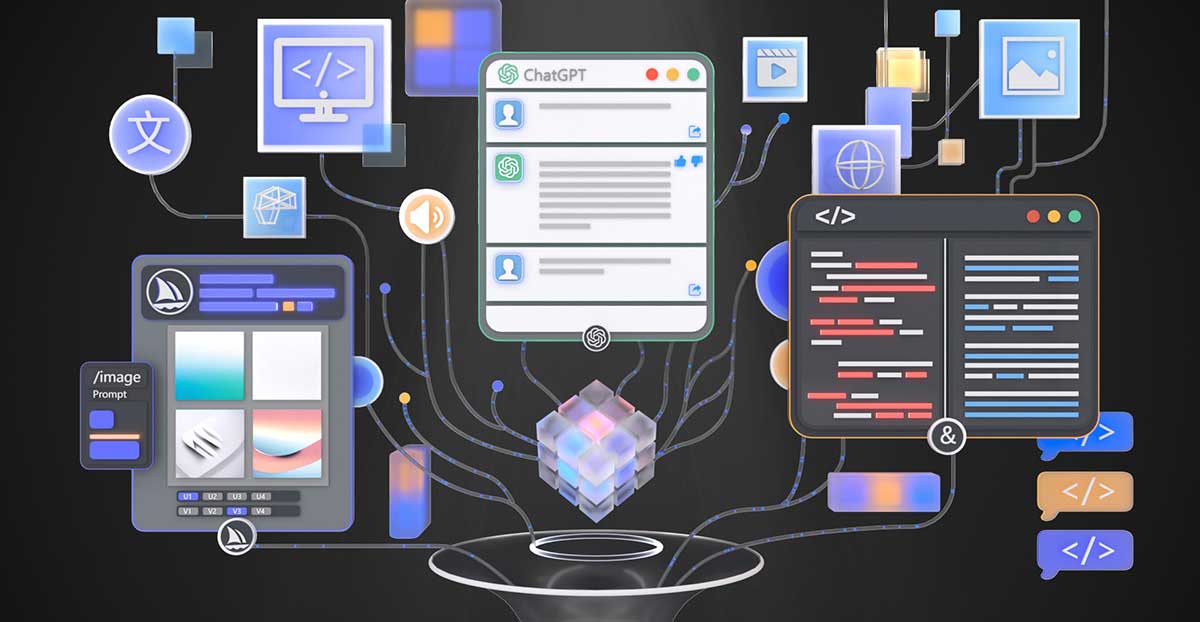
Among the leading technology trends, Generative AI, which has already gained considerable traction, is expected to make further strides with its growing applications set to transform how digital content is produced. Aided by future technological advancements and cost reductions, Generative AI will become an inclusive technology that can significantly enhance the variety, creativity and efficiency of content creation, according to DAMO.

Another important emerging technology is dual-engine decision intelligence. Supported by both operations optimization and machine learning, the dual-engine decision intelligence system enables the dynamic, comprehensive and real-time resource allocation, such as real-time electricity dispatching, optimization of port throughput, assignment of airport stands and improvements in manufacturing processes. As such, the technology can also help businesses enhance operational efficiency.

Cloud computing and security is predicted to continue playing a key role in businesses’ digital transformation. As security technologies and cloud computing are becoming more integrated than ever before, security services have embraced the shift to become more cloud native, platform-oriented and intelligent.

Other rising trends in DAMO’s forecast include pre-trained multimodal foundation models, chiplets, processing in memory, hardware-software integrated cloud computing architecture, predictable fabric based on edge-cloud synergy, computational imaging, as well as large-scale urban digital twins.

By analyzing public papers and patent filings over the past three years and conducting interviews with almost 100 scientists, entrepreneurs and engineers worldwide, DAMO presents the top technology trends in 2023 that are expected to achieve accelerated breakthroughs and impact positively across core industries economically and socially.

“Looking towards 2023, the advancement of various technologies will drive software/hardware co-design and the integration of computing and communications technologies. The wide application of technologies will facilitate the rollout of AI and other digital technologies in vertical markets and promote the collaboration of public and private sectors and individuals in security technology and security management. The innovation driven by the advancement of technologies and their industry-specific application has become an irreversible trend,” said Jeff Zhang, Head of Alibaba DAMO Academy.

In 2023, DAMO expects to see technology progress and the surge of related applications across fields:

Trend 1: Generative AI

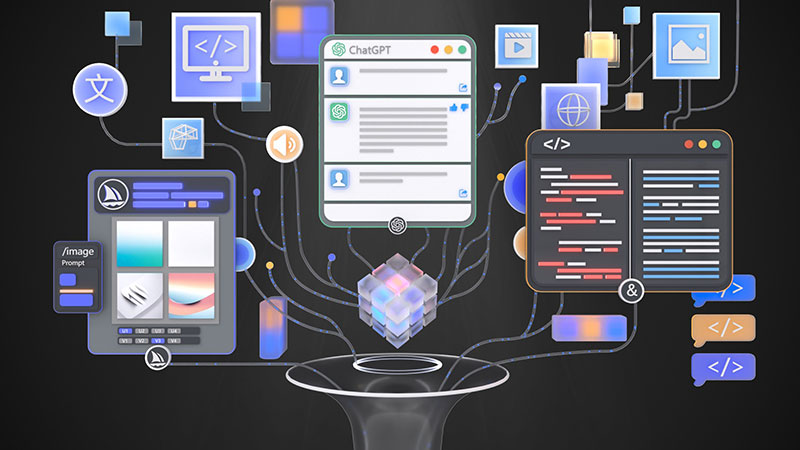
Generative AI generates new content based on a given set of text, images, or audio files. Currently, Generative AI is mainly used to produce prototypes and drafts and is applied in scenarios like gaming, advertising, and graphic design. Along with future technological advancement and cost reduction, Generative AI will become an inclusive technology that can significantly enhance the variety, creativity, and efficiency of content creation.

Generative-AI

In the next three years, we will see business models emerging and ecosystems maturing as Generative AI becomes widely marketized. Generative AI models will be more interactive, secure, and intelligent, assisting human beings to complete various creative work.

Trend 2: Dual-engine Decision Intelligence

In the past, traditional decision-making method is based on Operations Research. Due to its limitations in handling problems with great uncertainty and its slow response to large-scale problems, academia and industry began to include machine learning into decision optimization. The two engines are perfect complements to each other, and when used in tandem, can improve the speed and quality of decision making. In the future, this technology is expected to be widely used in a variety of scenarios to support dynamic, comprehensive and real-time resource allocation, such as real-time electricity dispatching, optimization of port throughput, assignment of airport stands, and improvement of manufacturing processes.

Dual-engine-Decision-Intelligence

In the future, dual-engine decision intelligence will be applied in more scenarios. It will serve to increase the number of entities and expand the scale in regional resource allocation scenarios, and eventually achieve dynamic, comprehensive, and real-time resource allocation.

Trend 3: Cloud-native Security

Cloud-native security is implemented to not only deliver security capabilities that are native to cloud infrastructure, but also improve security services by leveraging cloud-native technologies . Security technologies and cloud computing are becoming more integrated than ever before. We have witnessed applied technologies evolve from containerized deployment to microservices and then to the serverless model, and security services embraced the shift to become native, fine-grained, platform-oriented, and intelligent.

In the next three to five years, cloud-native security will become more versatile and can adapt more easily to multi-cloud architectures. It will also become more conducive to building security systems that are dynamic, end-to-end, precise, and applicable to hybrid environments.

Trend 4: Pre-trained Multimodal Foundation Models

Pre-trained multimodal foundation models have become a new paradigm and infrastructure for building artificial intelligence (AI) systems. These models can acquire knowledge from different modalities and present the knowledge based on a unified representation learning framework. In the future, foundation models are set to serve as the basic infrastructure of AI systems across tasks of images, text and audio, empowering AI systems with cognitive intelligence capabilities to reason, answer questions, summarize, and create.

Trend 5: Hardware-Software Integrated Cloud Computing Architecture

Cloud computing is evolving towards a new architecture centered around Cloud Infrastructure Processor (CIPU). This software-defined, hardware-accelerated architecture helps accelerate cloud applications while maintaining high elasticity and agility for cloud application development. CIPU will become the de facto standard of next-generation cloud computing and bring new development opportunities for core software R&D and dedicated chip design.

Trend 6: Predictable Fabric based on Edge-Cloud Synergy

Predictable fabric, a host-network co-design networking system driven by advances in cloud computing, and aims to offer high-performance network services. It is also an inevitable trend as today’s computing and networking capabilities gradually converge on each other. Through the full-stack innovation of cloud-defined protocols, software, chips, hardware, architecture, and platforms, predictable fabric is expected to subvert the traditional TCP-based network architecture and becomes part of the core network in next-generation data centers. Advances in this area are also driving the adoption of predictable fabric from data center networks to wide-area cloud backbone networks.

Trend 7: Computational Imaging

Computational imaging is an emerging interdisciplinary technology. In contrast with traditional imaging techniques, computational imaging makes use of mathematical models and signal processing capabilities, and thus can perform unprecedented in-depth analysis on light field information. This technology is already used on a large scale in mobile phone photography, health care, and autonomous driving. In the future, computational imaging will continue to revolutionize traditional imaging technologies, and give rise to innovative and imaginative applications such as lensless imaging, and Non-line-of-sight (NLOS) imaging.

Trend 8: Chiplet

Chiplet-based design allows manufacturers to break down a system on a chip (SoC) into multiple chiplets, manufacture the chiplets separately by using different processes, and finally integrate them into an SoC through interconnects and packaging. The interconnect standards of chiplets are being unified into a single standard, accelerating the industrialization process of chiplets. Powered by advanced packaging technologies, chiplets may bring in a new wave of change to the R&D process of integrated circuits and reshape the landscape of the chip industry.

Trend 9: PIM

Processing in Memory (PIM) technology is the integration of a CPU and memory on a single chip, which allows data to be directly processed in memory. In the future, compute-in-memory chips are projected to be used in more powerful applications such as cloud-based inference. This will shift the traditional computing-centric architecture towards the data-centric architecture, which will have a positive impact on industries such as cloud computing, AI, and Internet of Things (IoT).

Trend 10: Large-scale Urban Digital Twins

The concept of the urban digital twins has become a new approach to refined city governance. So far, large-scale urban digital twins have made major progress in scenarios such as traffic governance, natural disaster prevention and management, carbon peaking and neutrality. In the future, large-scale urban digital twins will become more autonomous and multidimensional.

For more detailed information, please visit the full report here: https://damo.alibaba.com/techtrends/2023?lang=en

อาลีบาบา คาดการณ์สุดยอดเทรนด์เทคโนโลยีปี 2566

Alibaba Unveils Top Technology Trend Forecasting for 2023

อาลีบาบาคาดการณ์สุดยอดเทรนด์เทคโนโลยีปี 2566

Alibaba DAMO Academy (“DAMO”) โครงการวิจัยระดับโลกของอาลีบาบา กรุ๊ป เผยการคาดการณ์ประจำปีเกี่ยวกับเทรนด์ทางเทคโนโลยีชั้นนำที่อาจเป็นตัวกำหนดรูปโฉมของอุตสาหกรรมจำนวนมากในอีกหลายปีต่อจากนี้

ในบรรดาเทรนด์เทคโนโลยีชั้นนำต่าง ๆ เป็นที่คาดการณ์ว่า เอไอแบบรู้สร้าง หรือ Generative AI ซึ่งได้รับความสนใจอย่างมากอยู่แล้ว จะได้รับความนิยมมากขึ้นอีกจากการมีชุดแอปพลิเคชันต่าง ๆ ที่เพิ่มมากขึ้น เพื่อนำไปใช้ในการเปลี่ยนผ่านวิธีการผลิตเนื้อหาดิจิทัล ข้อมูลจากการวิจัยของ DAMO ระบุว่า Generative AI ที่อาศัยความก้าวหน้าทางเทคโนโลยีแห่งอนาคต และการลดค่าใช้จ่าย จะกลายเป็นเทคโนโลยีเบ็ดเสร็จที่สามารถเพิ่มความหลากหลาย ความคิดสร้างสรรค์ และประสิทธิภาพในการสร้างคอนเทนต์ได้อย่างมีนัยสำคัญ

อีกหนึ่งเทคโนโลยีเกิดใหม่ที่โดดเด่นคือ dual-engine decision intelligence ระบบ dual-engine decision intelligence ที่ได้รับการสนับสนุนจากการเพิ่มประสิทธิภาพการทำงาน และแมชชีนเลิร์นนิ่งนี้ ช่วยในการจัดสรรทรัพยากรได้แบบไดนามิก ครบถ้วนและเรียลไทม์ เช่น การจ่ายไฟฟ้าแบบเรียลไทม์ การปรับพอร์ตทรูพุตให้เหมาะสม การกำหนดจุดจอดในสนามบิน และการเพิ่มประสิทธิภาพให้กับกระบวนการผลิตต่าง ๆ ดังนั้นเทคโนโลยีนี้จึงช่วยเพิ่มประสิทธิภาพการดำเนินงานให้กับธุรกิจต่าง ๆ อย่างมาก

นอกจากนี้ยังคาดการณ์ได้ว่าคลาวด์คอมพิวติ้งและเรื่องของความปลอดภัย จะยังคงมีบทบาทสำคัญอย่างต่อเนื่องต่อการเปลี่ยนผ่านสู่ดิจิทัลของธุรกิจทั้งหลาย การที่เทคโนโลยีด้านความปลอดภัยและคลาวด์คอมพิวติ้งผสานการทำงานร่วมกันมากขึ้นอย่างไม่เคยมีมาก่อน ทำให้บริการด้านความปลอดภัยเปลี่ยนไปเป็นบริการในรูปแบบคลาวด์เนทีฟ ใช้แพลตฟอร์มเป็นศูนย์กลาง และมีความชาญฉลาดมากขึ้น

DAMO ได้คาดการณ์ว่าจะมีเทรนด์อื่น ๆ เพิ่มขึ้น เช่น โมเดลโครงสร้างสำเร็จรูปหลากหลายที่ผ่านการเทรนด์มาแล้ว (pre-trained multimodal foundation models), ชิปเล็ต (chiplets), การประมวลผลในหน่วยความจำ (processing in memory), สถาปัตยกรรมคลาวด์คอมพิวติ้งที่รวมเอาฮาร์ดแวร์และซอฟต์แวร์ไว้ด้วยกัน, โครงสร้างที่คาดการณ์ได้บน Edge-Cloud Synergy (predictable fabric based on edge-cloud synergy), การสร้างภาพด้วยคอมพิวเตอร์ (computational imaging) รวมถึงคู่เสมือนทางดิจิทัลของเมื่องใหญ่ (large-scale urban digital twins)

DAMO นำเสนอสุดยอดเทรนด์ทางเทคโนโลยีปี 2566 ที่คาดการณ์ว่าจะเร่งให้เกิดนวัตกรรมและส่งผลในทางที่ดีทั้งด้านเศรษฐกิจและสังคมต่ออุตสาหกรรมสำคัญ ๆ ซึ่งมาจากการรวบรวมและวิเคราะห์จากเอกสารสาธารณะและการจดสิทธิบัตรในช่วงสามปีที่ผ่านมา และการสัมภาษณ์นักวิทยาศาสตร์ผู้ประกอบการ และวิศวกรทั่วโลกมากกว่า 100 ราย

นายเจฟฟ์ ชาง หัวหน้าของ Alibaba DAMO Academy กล่าวว่า “ปี 2566 จะเป็นปีที่ความก้าวหน้าทางเทคโนโลยีด้านต่าง ๆ จะขับเคลื่อนให้เกิดการออกแบบการทำงานของซอฟต์แวร์ และฮาร์ดแวร์ร่วมกัน และการผสานรวมของเทคโนโลยีด้านคอมพิวติ้งกับการติดต่อสื่อสาร การนำเทคโนโลยีไปใช้ในวงกว้างจะทำให้มีการใช้ AI และเทคโนโลยีดิจิทัลอื่น ๆ มากขึ้นในตลาดเฉพาะทางต่าง ๆ และกระตุ้นให้เกิดความร่วมมือของภาครัฐ เอกชน และบุคคลทั่วไปเกี่ยวกับการใช้เทคโนโลยีและการบริหารจัดการด้านความปลอดภัย นวัตกรรมที่เกิดจากความก้าวหน้าทางเทคโนโลยีและการใช้งานที่เฉพาะเจาะจงในแต่ละอุตสาหกรรม จะกลายเป็นแนวโน้มที่จะเกิดขึ้นและไม่กลับมาเป็นเหมือนเดิมได้อีก”

DAMO คาดว่าในปี 2566 จะได้เห็นความรุดหน้าทางเทคโนโลยีและการเกิดขึ้นอย่างมากมายของแอปพลิเคชันที่เกี่ยวข้องดังต่อไปนี้

เทรนด์ที่ 1: เอไอแบบรู้สร้าง (Generative AI)

Generative AI สร้างคอนเทนต์ใหม่ตามชุดข้อความ รูปภาพ หรือไฟล์เสียงที่กำหนดไว้ ปัจจุบันมีการใช้ Generative AI ในการผลิตต้นแบบและแบบร่างต่าง ๆ เป็นหลัก รวมถึงใช้กับเกม โฆษณา และกราฟิกดีไซน์ นอกจากจะเป็นความก้าวหน้าทางเทคโนโลยีแห่งอนาคตและการลดค่าใช้จ่ายแล้ว Generative AI จะกลายเป็นเทคโนโลยีเบ็ดเสร็จที่สามารถเพิ่มความหลากหลาย ความคิดร้างสรรค์ และการสร้างคอนเทนต์ที่โดดเด่นได้อย่างมีนัยสำคัญ 

Generative-AI

อีกสามปีต่อจากนี้ เราจะได้เห็นรูปแบบทางธุรกิจใหม่ ๆ และระบบนิเวศที่สมบูรณ์เต็มที่ เพราะมีการนำ Generative AI ไปใช้อย่างแพร่หลาย รูปแบบที่เป็น Generative AI จะโต้ตอบได้มากขึ้น ปลอดภัยและชาญฉลาดมากขึ้น ทั้งยังจะช่วยมนุษย์ทำงานสร้างสรรค์ต่าง ๆ ให้ลุล่วงได้อย่างดี 

เทรนด์ที่ 2: การตัดสินใจที่ชาญฉลาดด้วยการวิจัยเชิงปฏิบัติการและแมชชีนเลิร์นนิ่ง (Dual-engine Decision Intelligence)

วิธีการตัดสินใจแบบเดิมในอดีตนั้นพึ่งพาการวิจัยเชิงปฏิบัติการ ซึ่งมีข้อจำกัดในการจัดการกับปัญหาต่าง ๆ ที่มีความไม่แน่นอนสูงและตอบสนองต่อปัญหาใหญ่ ๆ ได้ช้า ดังนั้น สถาบันทางการศึกษาและภาคอุตสาหกรรมจึงได้เริ่มใช้แมชชีนเลิร์นนิ่งเข้ามาเสริม เพื่อเพิ่มประสิทธิภาพให้กับการตัดสินใจด้านต่าง ๆ เครื่องมือทั้งสองนี้เป็นองค์ประกอบที่ลงตัวของกันและกัน และเมื่อได้ใช้ควบคู่กันไปจะช่วยเพิ่มความเร็วและคุณภาพของการตัดสินใจต่าง ๆ และเป็นที่คาดการณ์ว่า เทคโนโลยีนี้จะใช้กันอย่างแพร่หลายในสถานการณ์หลากหลายในอนาคต เพื่อช่วยให้สามารถจัดสรรทรัพยากรได้แบบไดนามิก ครบถ้วนและเรียลไทม์ เช่น การจ่ายไฟฟ้าแบบเรียลไทม์ การปรับพอร์ตทรูพุตให้เหมาะสม การกำหนดจุดจอดในสนามบิน และการเพิ่มประสิทธิภาพให้กับกระบวนการผลิตต่าง ๆ เป็นต้น

Dual-engine-Decision-Intelligence

ในอนาคต dual-engine decision intelligence จะใช้ในงานด้านต่าง ๆ มากขึ้น ซึ่งจะช่วยเพิ่มจำนวน entities และขยายขนาดการจัดสรรทรัพยากรตามภูมิภาคต่าง ๆ เพื่อให้บรรลุผลในการจัดสรรทรัพยากรแบบไดนามิก ครบถ้วนและเรียลไทม์

เทรนด์ที่ 3: ระบบความปลอดภัยที่รองรับการประมวลผลบนคลาวด์ (Cloud-native Security)

การใช้ระบบความปลอดภัยที่รองรับการทำงานบนคลาวด์ (Cloud-native security) นั้น ไม่เพียงมอบสมรรถนะด้านความปลอดภัยบนโครงสร้างพื้นฐานบนคลาวด์เท่านั้น แต่ยังเพิ่มประสิทธิภาพให้กับบริการด้านความปลอดภัยต่าง ๆ ด้วยการใช้ประโยชน์จากเทคโนโลยีคลาวด์-เนทีฟ การรวมเทคโนโลยีด้านความปลอดภัยต่าง ๆ และคลาวด์คอมพิวติ้งเข้าด้วยกันกำลังเกิดขึ้นอย่างไม่เคยมีมาก่อน ซึ่งเราเห็นได้จากการใช้เทคโนโลยีที่พัฒนาจากการใช้คอนเทนเนอร์ไปเป็นไมโครเซอร์วิส จนถึงรูปแบบที่ไม่ต้องพึ่งพาเซิร์ฟเวอร์ (serverless model) และบริการด้านความปลอดภัยที่ยกระดับสู่การเป็นคลาวด์-เนทีฟ มีความรัดกุม ใช้แพลตฟอร์มเป็นศูนย์กลาง และชาญฉลาด

ในสามถึงห้าปีจากนี้ การรักษาความปลอดภัยแบบคลาวด์-เนทีฟจะหลากหลายมากขึ้น นำไปใช้กับสถาปัตยกรรมมัลติ-คลาวด์ได้ง่ายขึ้น และเอื้อต่อการสร้างระบบความปลอดภัยแบบไดนามิก ครบวงจร แม่นยำ และใช้กับสภาพแวดล้อมแบบไฮบริดได้

เทรนด์ที่ 4: โมเดลโครงสร้างสำเร็จรูปหลากหลายที่ผ่านการเทรนด์มาแล้ว (pre-trained multimodal foundation models)

Pre-trained multimodal foundation models กลายเป็นแบบอย่างและโครงสร้างพื้นฐานแบบใหม่
ในการสร้างระบบปัญญาประดิษฐ์ (AI) รูปแบบเหล่านี้สามารถรับความรู้จากแบบวิธีต่าง ๆ และนำเสนอความรู้นั้นตามกรอบการเรียนรู้ด้านการแสดงออกที่รวมเป็นหนึ่งเดียว ในอนาคต foundation models จะถูกกำหนดขึ้นเพื่อทำหน้าที่เป็นโครงสร้างพื้นฐานปกติของระบบ AI ที่ใช้ทำงานต่าง ๆ เช่น รูปภาพ ข้อความ และเสียง เป็นการเสริมศักยภาพระบบ AI ด้วยความสามารถด้านสติปัญญาในการให้เหตุผล การตอบคำถาม การสรุป และการสร้างสรรค์

เทรนด์ที่ 5: สถาปัตยกรรมคลาวด์คอมพิวติ้งที่รวมฮาร์ดแวร์-ซอฟต์แวร์

คลาวด์คอมพิวติ้งกำลังพัฒนาเป็นสถาปัตยกรรมใหม่ที่มีศูนย์กลางอยู่ที่ Cloud Infrastructure Processor (CIPU) ซึ่งเป็นสถาปัตยกรรมที่ใช้ฮาร์ดแวร์เร่งความเร็วในการทำงานและควบคุมการทำงานด้วยซอฟต์แวร์ โดยจะช่วยเร่งการใช้แอปพลิเคชันบนคลาวด์ ในขณะเดียวกันยังคงความยืดหยุ่นและความคล่องตัวสูงไว้เพื่อการพัฒนาแอปพลิเคชันบนคลาวด์ CIPU จะกลายเป็นมาตรฐานที่ได้รับการยอมรับทั่วไปของคลาวด์คอมพิวติ้งยุคหน้า และนำมาซึ่งโอกาสด้านการพัฒนาใหม่ ๆ จำนวนมากในด้านการวิจัยและพัฒนาซอฟต์แวร์และการออกแบบ dedicated chip

เทรนด์ที่ 6: โครงสร้างที่คาดการณ์ได้บน Edge-Cloud Synergy

โครงสร้างที่คาดการณ์ได้ (predictable fabric) เป็นระบบเน็ตเวิร์กที่ออกแบบร่วมกันโดยโฮสต์และเครือข่าย ขับเคลื่อนโดยความล้ำสมัยของคลาวด์คอมพิวติ้ง และมีจุดประสงค์เพื่อนำเสนอบริการเน็ตเวิร์กที่มีประสิทธิภาพสูง และเป็นเทรนด์ที่ต้องเกิดขึ้นอย่างแน่นอน เพราะความสามารถด้านคอมพิวติ้งและเน็ตเวิร์กในปัจจุบันค่อย ๆ รวมตัวเข้าด้วยกัน และด้วยสมรรถนะของนวัตกรรมแบบฟูลสแต็ก จาก cloud-defined protocols, ซอฟต์แวร์, ชิป, ฮาร์ดแวร์, สถาปัตยกรรม และแพลตฟอร์มต่าง ๆ ทำให้คาดการณ์ได้ว่า predictable fabric จะเข้ามาแทนที่สถาปัตยกรรมเน็ตเวิร์ก TCP แบบดั้งเดิม และกลายเป็นส่วนหนึ่งของเน็ตเวิร์กหลักในดาต้าเซ็นเตอร์รุ่นต่อไป ความก้าวล้ำด้านนี้ยังขับเคลื่อนการใช้ predictable fabric จากเน็ตเวิร์กของดาต้าเซ็นเตอร์ ไปจนถึงเน็ตเวิร์กหลักบนคลาวด์ที่กว้างขวาง

เทรนด์ที่ 7: การสร้างภาพด้วยคอมพิวเตอร์ (Computational Imaging)

การสร้างภาพด้วยคอมพิวเตอร์ (computational imaging) เป็นสหวิทยาการเทคโนโลยีเกิดใหม่อย่างหนึ่ง ซึ่งตรงข้ามกับเทคนิคการถ่ายภาพแบบเดิม โดยคอมพิวเตอร์สร้างภาพจากรูปแบบจำลองทางคณิตศาสตร์ต่าง ๆ และความสามารถในการประมวลผลสัญญาณต่าง ๆ จำนวนมาก จึงสามารถวิเคราะห์ข้อมูลสนามแสงเชิงลึกที่ไม่เคยทำได้มาก่อนได้ เทคโนโลยีนี้มีใช้แล้วในวงกว้าง เช่น การถ่ายภาพของโทรศัพท์มือถือ, การถ่ายภาพทางการแพทย์, และยานยนต์อัตโนมัติ ในอนาคตการสร้างภาพด้วยคอมพิวเตอร์จะยังคงปฏิวัติเทคโนโลยีการถ่ายภาพแบบเดิม และทำให้เกิดนวัตกรรมและการสร้างสรรค์ เช่น การถ่ายภาพแบบไม่ต้องใช้เลนส์ และการถ่ายภาพแบบไม่อยู่ในแนวสายตา (Non-line-of-sight: NLOS)

เทรนด์ที่ 8: ชิปเล็ต (Chiplet)

การใช้ชิปเล็ตหรือชิปขนาดย่อย (chiplet) ช่วยให้ผู้ผลิตสามารถแบ่งระบบต่าง ๆ ที่รวมกันอยู่บนชิปตัวหนึ่ง (system on a chip: SoC)  ออกเป็น chiplet หลายตัว ทำการผลิต chiplet แยกกันและใช้กระบวนการผลิตที่แตกต่างกันแล้วรวม chiplet ทุกตัวไว้ใน SoC ผ่านการเชื่อมต่อกันภายในและแพคเกจจิ้ง ทั้งนี้การรวมมาตรฐานการเชื่อมต่อกันของ chiplet ต่าง ๆ ให้เป็นมาตรฐานเดียว เป็นการเร่งกระบวนการพัฒนา chiplet ในระดับอุตสาหกรรม เทคโนโลยีแพคเกจจิ้งที่ล้ำหน้าช่วยเสริมให้ chiplet เป็นคลื่นลูกใหม่ที่มีผลต่อการเปลี่ยนแปลงของกระบวนการวิจัยและพัฒนาวงจรรวมและเปลี่ยนโฉมอุตสาหกรรมชิป

เทรนด์ที่ 9: การประมวลผลในหน่วยความจำ (PIM)

เทคโนโลยีการประมวลผลในหน่วยความจำ (Processing in Memory: PIM) เป็นการรวมหน่วยประมวลผลกลาง (CPU) และหน่วยความจำไว้บนชิปเดียว ซึ่งช่วยให้ประมวลผลข้อมูลในหน่วยความจำได้โดยตรง คาดว่าจะมีการใช้ชิปที่เป็นแบบประมวลผลในหน่วยความจำกับแอปพลิเคชันที่มีความสามารถสูง มากขึ้นในอนาคต เช่น การอนุมานที่อยู่บนคลาวด์ และชิปลักษณะนี้จะยกระดับสถาปัตยกรรมที่ยึดการประมวลผลเป็นศูนย์กลางแบบเดิม ไปเป็นสถาปัตยกรรมแบบยึดข้อมูลเป็นสำคัญ ซึ่งจะส่งผลดีต่ออุตสาหกรรมต่าง ๆ เช่น คลาวด์คอมพิวติ้ง, AI และอินเทอร์เน็ตออฟธิงค์ (IoT)

เทรนด์ที่ 10: คู่เสมือนทางดิจิทัลของเมืองใหญ่ (Large-scale Urban Digital Twins)

คอนเซปต์ของคู่เสมือนดิจิทัลของเมือง (urban digiital twins) ได้กลายเป็นแนวทางใหม่ในการดูแลเมืองที่มีประสิทธิภาพ ณ ปัจจุบัน urgan digital twins ขนาดใหญ่มีบทบาทในการพัฒนาการทำงานสำคัญด้านต่าง ๆ เช่น การดูแลการจราจร การป้องกันและการจัดการภัยทางธรรมชาติ การวิเคราะห์จุดสูงสุดและความเป็นกลางทางคาร์บอน เป็นต้น ทั้งนี้ urban digital twins ขนาดใหญ่จะทำงานโดยอิสระได้ด้วยตนเองและมีหลากหลายมิติมากขึ้นในอนาคต

ดูข้อมูลเพิ่มเติมได้จากรายงานฉบับเต็มที่ลิงก์นี้

Alibaba Cloud to Introduce Blockchain Node Service to Facilitate Growth of Web 3.0 Ecosystem

Alibaba Cloud to Introduce Blockchain Node Service to Facilitate Growth of Web 3.0 Ecosystem

Alibaba Cloud to Introduce Blockchain Node Service to Facilitate Growth of Web 3.0 Ecosystem

Leading cloud service provider aims to empower developers with a scalable, efficient, and secure PaaS platform

Alibaba Cloud, the digital technology and intelligence backbone of Alibaba Group, today announced a roadmap for the launch of its first Blockchain Node Service. Scheduled for the first quarter of 2023, the Blockchain Node Service will support the growth of the evolving Web3.0 ecosystem and better serve developers with Alibaba Cloud’s scalable, efficient and secure infrastructure for a more user-friendly and immersive experience.

The new PaaS platform aims to aid developers by reducing operational and maintenance time while they are building and deploying new products. Leveraging Alibaba Cloud’s scalable, high performance and stable infrastructure, the node-hosting service actively monitors the nodes and automatically switches in case of an outage. As it doesn’t require hands-on monitoring or problem mitigation, developers are free to concentrate on product development and thus speed up the pace of the product roll-out process.

With Alibaba Cloud’s world-class security and global compliance capabilities, the Blockchain Node Service is backed with security configurations that can help prevent unauthorized access to the nodes. The nodes are placed behind the cloud firewall and only verified users and machines are allowed to communicate with client endpoints. Moreover, Alibaba Cloud security solutions can further protect nodes from DDoS attacks.  

“Driven by enterprises’ increasing demand for simplifying the complex inter-silo dependencies, we can see the popularity of nodes has grown significantly in recent years in Asia,” said Raymond Xiao, Head of International Industry Solutions and Architect, Alibaba Cloud Intelligence. “On top of its flexibility and efficiency, Alibaba Cloud’s stable and reliable enterprise-class node service backed with comprehensive security features, offers developers an extra layer of confidence as they navigate seamlessly across different frameworks.”

To prepare for the launch early next year, Alibaba Cloud has already started offering partners a scalable, highly efficient and secure infrastructure to help build the Web3.0 ecosystem and community with developers from across the world.

For example, Alibaba Cloud has recently expanded its line of infrastructure technology and intelligence tools to the Avalanche public blockchain (AVAX). This enables users to launch validator nodes through the service and access computing, storage, and distribution resources through Alibaba Cloud’s suite of products in Asia. The two sides will also work together to support innovative Web3.0 projects, including hackathons, developer education and mentorship programs, to help Web2.0 developers transition to Web3.0. 

It has also created an infrastructure and technology platform for Web3.0 developers in partnership with HashKey Group, a Hong Kong-based end-to-end digital asset financial services group and Web3.0 infrastructure provider, and PlatON, a next-generation internet infrastructure protocol based on the fundamental properties of blockchain and supported by the privacy-preserving computation network.

“Web 3.0 is currently at an early stage, and with it being the next generation of the Internet, it is already being embraced by users, especially in Southeast Asia,” said Dr Derek Wang, General Manager of Singapore, South Asia and Thailand, Alibaba Cloud Intelligence, “Alibaba Cloud’s strong infrastructure across APAC and global leading security and compliance capabilities put us in a strong position to support the growth of the Web 3.0 ecosystem. We are committed to better serving customers to help explore new business opportunities, while supporting consumers to ensure a more user-friendly and immersive experience.”

As part of the evolution of the Web 3.0 ecosystem, initially 100 users will be recruited in an open beta test for the launch of the Node Service, while a series of Web 3.0 Hackathon Campaigns will be held in Singapore, Japan, Thailand and Hong Kong, early next year.

New Web 3.0 industry offerings in E-sports and the metaverse

As a global leading IaaS and PaaS provider, Alibaba Cloud aims to provide robust, secure and high-performance technology platforms and intelligence tools for worldwide Web3.0 developers to build their own applications, in the metaverse, gaming environments and across social media platforms for example.

Alibaba Cloud launched the “Cloud ME” hologram powered by its real-time communication (RTC) solution at the Olympic Winter Games Beijing 2022. The technology facilitates social interactions for people keen to explore bona fide meeting experiences during the Olympic Winter Games, enabling them to meet and enjoy real-time conversations via life-sized, true-to-life projection.

Alibaba Cloud and Japan’s leading development studio, JP Games, have also jointly launched a series of new services developed to create realistic virtual spaces and avatars for global customers who venture into space. The service includes the automatic creation of visually stunning 3D virtual spaces, high-quality graphics from 2D landscape photos as well as the automatic creation of user avatars, simply by taking selfie photos.