Navigating the intersection of sustainability and technology

เส้นทางที่ความยั่งยืนและเทคโนโลยีมาทับซ้อนกัน

Navigating the intersection of sustainability and technology

Article by Fetra Syahbana, country manager for Growth and Emerging Market’s (GEMS), Nutanix

We know the technology industry’s footprint on the environment is significant. As ever larger swaths of information are generated, and organizations amass even more data, the demand for datacenters and the energy to run them will continue to grow. Datacenters are estimated to be responsible for up to 3 percent of global electricity consumption today, the equivalent of supplying 10 New York cities over a year. They consume more power per capita than the whole UK, with their impact on electricity consumption projected to reach 4 percent by 2030.)

But energy consumption is just part of the impact since issues such as water consumption and e-waste generation need to be considered. Fortunately, most of the IT community is aware of these issues and agrees that sustainable growth is climbing to the top of organisations’ priority lists.   

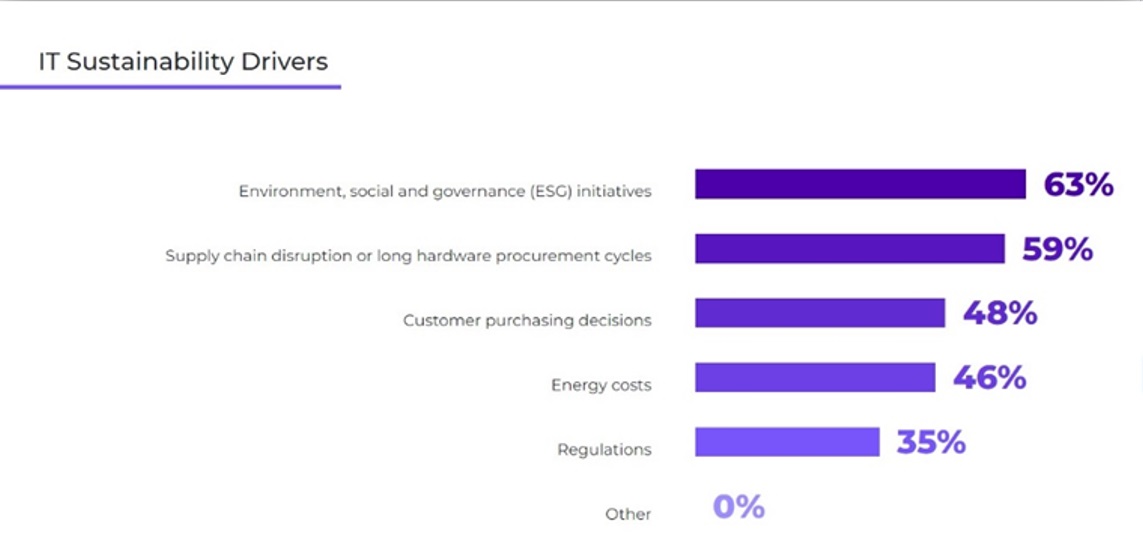
In fact, Nutanix’s 2023 Enterprise Cloud Index (ECI) research found that almost all (92 percent) respondents agreed sustainability is more important to their organisation than it was a year ago. This illustrates how the integration of sustainable practices into technology operations has become increasingly important for enterprises.

However, the same survey showed that almost nine in 10 executives acknowledged that meeting corporate sustainability goals is challenging.
Taking the right turn towards sustainability

One of the main challenges businesses faces is managing the complex and diverse technology environments in which they operate. The ECI report shows that in the Asia-Pacific region, 44 percent of companies have relocated applications in the last 12 months to meet sustainability goals, far outpacing the Americas or EMEA.

Thus, delivering sustainable business strategies that include IT operations is becoming increasingly crucial for businesses. As businesses expand their technology infrastructure, they must find ways to manage their carbon footprint and reduce their environmental impact.

Most organisations would love it if there was one comprehensive guide that acted like a compass in guiding them on how to best navigate the complex and ever-changing landscape of sustainability in technology. The reality is every organisation is different and requires a nuanced approach to develop and bring such strategies to life. To make impactful, positive change, organisations should think holistically and consider the environmental impact of technology as well as the social and economic dimensions of sustainability.

Paving an impactful sustainability strategy

Sustainability in technology requires a combination of technological innovation and strategic planning. By leveraging cutting-edge technology solutions such as hyperconverged infrastructure, businesses may be able to reduce their energy consumption and carbon footprint while also striving for greater efficiency and performance.

The manufacturer Natures Organics is a good example of what can be done.  The company wanted to overhaul its energy-hungry and power-lacking IT infrastructure. Business reporting was impacted because of database timeouts which in turn limited the company’s ability to make data-driven decisions. For a business operating in the fast moving consumer goods sector where business agility is a key factor, the situation was less than optimal.

Working with Nutanix partner Australian Sentinel, Natures Organics deployed Nutanix hyperconverged infrastructure and began moving applications and databases across. What’s more, IT costs overall were cut 32 percent and energy use by 55 percent.

Beyond this, companies must work to develop a comprehensive sustainability strategy that considers the broader social and economic impacts of technology. This requires a deep understanding of the needs and priorities of all stakeholders, from customers and employees to investors and regulators. By engaging with these stakeholders and working collaboratively to develop a shared vision of sustainability, businesses can become a guiding light for their industries and help to drive positive change.

That said, no business can solve the world’s ESG challenges. There needs to be a concerted effort across industries to enact actual change and drive impactful sustainability outcomes. Technology-focused companies, for example, must work with suppliers and partners to promote responsible sourcing and reduce the environmental impact of our supply chain footprint. 

Regulations are also shaping the focus on sustainability in the tech industry. Many countries are introducing regulations that require businesses to reduce their carbon footprint and adopt more sustainable practices. Governments are also leading by example. For instance, the Australian government announced a $1.2 billion investment in digital technology and cybersecurity, focusing on reducing carbon emissions and improving energy efficiency.

Thailand has announced a goal of carbon neutrality by 2050 and net zero greenhouse gas emissions (Net Zero) by 2065. The government has therefore accelerated the policy, roll out various incentives such as tax incentive measures, and encouraged all parties to leverage green technological innovations, to make the industrial and service sectors operate in a more environmentally friendly manner.

At the same time, it is important to recognise that sustainability is not just an environmental issue – it is also a social and economic issue. The industry’s commitment to sustainability must extend beyond our operations to the communities where we operate. Beyond their processes, organisations must also look at investing in local communities, supporting sustainable development, and promoting social responsibility. By investing in the well-being of our communities, we can help to create a more sustainable future for all.

Sustainability in the technology industry is now a necessary consideration that must be adopted into all aspects of business operations. The challenges of integrating sustainability practices into technology operations are significant, but the benefits are even greater. More sustainable practices can lead to cost savings, increased efficiency, and improved brand reputation. Furthermore, businesses prioritising sustainability are likely to attract and retain customers that want to work with organisations that align with their values and priorities.


เส้นทางที่ความยั่งยืนและเทคโนโลยีมาทับซ้อนกัน

เส้นทางที่ความยั่งยืนและเทคโนโลยีมาทับซ้อนกัน

เส้นทางที่ความยั่งยืนและเทคโนโลยีมาทับซ้อนกัน

บทความโดยนายเฟตรา ชาห์บานา ผู้จัดการประจำกลุ่มประเทศเกิดใหม่ที่เติบโต (GEMs), นูทานิคซ์

ทุกคนทราบดีว่าฟุตพริ้นท์ของอุตสาหกรรมด้านเทคโนโลยีที่มีผลต่อสิ่งแวดล้อมนั้นมีความสำคัญ การสร้างข้อมูลมากขึ้นและการที่องค์กรเก็บสะสมข้อมูลไว้มากขึ้น ทำให้ความต้องการดาต้าเซ็นเตอร์ และพลังงานที่ต้องใช้เพื่อการทำงานของดาต้าเซ็นเตอร์เพิ่มขึ้นต่อเนื่อง โดยคาดว่าจะมีการใช้ไฟฟ้าในดาต้าเซ็นเตอร์มากถึง 3 เปอร์เซ็นของการใช้ไฟฟ้าทั่วโลกในปัจจุบัน ซึ่งเทียบเท่ากับการจ่ายไฟให้เมืองนิวยอร์ก 10 เมืองในระยะเวลาหนึ่งปี ดาต้าเซ็นเตอร์ใช้พลังงานต่อหัวมากกว่าการใช้ทั่วทั้งสหราชอาณาจักร และคาดว่าจะมีการใช้ไฟฟ้าสูงถึง 4 เปอร์เซ็นต์ภายในปี พ.ศ. 2573

แต่ผลกระทบจากการใช้พลังงานเป็นเพียงส่วนหนึ่ง เพราะยังต้องพิจารณาประเด็นต่าง ๆ เช่น การใช้น้ำ และการสร้างขยะอิเล็กทรอนิกส์ประกอบกันด้วย นับเป็นความโชคดีที่คอมมิวนิตี้ด้านไอทีส่วนใหญ่ตระหนักถึงปัญหาเหล่านี้ และเห็นตรงกันว่า การเติบโตอย่างยั่งยืนกำลังเป็นเรื่องที่องค์กรให้ความสำคัญเป็นลำดับต้น ๆ

ผลสำรวจ Enterprise Cloud Index (ECI) ประจำปี 2566 ของนูทานิคซ์พบว่า ผู้ตอบแบบสำรวจเกือบทั้งหมด (92 เปอร์เซ็นต์) เห็นตรงกันว่าความยั่งยืนมีความสำคัญกับองค์กรมากกว่าปีที่ผ่านมา ผลสำรวจนี้ชี้ให้เห็นว่า ทำไมการนำวิธีปฏิบัติที่ยั่งยืนรวมเข้ากับการดำเนินการทางเทคโนโลยี จึงมีความสำคัญต่อองค์กรมากขึ้น

อย่างไรก็ตาม ผลสำรวจเดียวกันพบว่าผู้บริหาร 9 ใน 10 คนยอมรับว่าการบรรลุตามเป้าหมายด้านความยั่งยืนขององค์กรเป็นเรื่องที่ท้าทาย

เปลี่ยนสู่ความยั่งยืนอย่างเหมาะสม

หนึ่งในความท้าทายสำคัญที่ธุรกิจต้องเผชิญคือการจัดการสภาพแวดล้อมทางเทคโนโลยีที่ซับซ้อนและหลากหลาย ผลสำรวจ ECI เผยให้เห็นว่าในช่วง 12 เดือนที่ผ่านมา 44 เปอร์เซ็นต์ของบริษัทในภูมิภาคเอเชียแปซิฟิกทำการย้ายแอปพลิเคชันไปไว้บนสภาพแวดล้อมใหม่ เพื่อให้บรรลุเป้าหมายด้านความยั่งยืน ซึ่งเป็นสัดส่วนเปอร์เซ็นต์ที่ล้ำหน้าในอเมริกา หรือ EMEA อย่างมาก

ดังนั้น การนำเสนอกลยุทธ์ทางธุรกิจที่ยั่งยืนที่รวมการดำเนินงานด้านไอทีไว้ด้วยจึงมีความสำคัญต่อธุรกิจมากขึ้น เมื่อใดที่ธุรกิจขยายโครงสร้างพื้นฐานทางเทคโนโลยีของตน ธุรกิจเหล่านั้นจะต้องหาแนวทางบริหารจัดการคาร์บอนฟุตพริ้นท์ และลดผลกระทบต่อสิ่งแวดล้อมด้วย

องค์กรส่วนใหญ่มักต้องการคำแนะนำหนึ่งเดียวที่ครอบคลุมรอบด้าน และเป็นดั่งเข็มทิศนำทางสู่วิธีการที่ดีที่สุดในการจัดการกับความยั่งยืนทางเทคโนโลยีที่มีความซับซ้อนและเปลี่ยนแปลงตลอดเวลา แต่ในความเป็นจริง องค์กรทุกแห่งแตกต่างกัน และต้องการวิธีการที่เหมาะกับตนเพื่อพัฒนาและทำให้กลยุทธ์ดังกล่าวเป็นจริงได้ ดังนั้น องค์กรควรคิดแบบองค์รวมและพิจารณาผลกระทบของการใช้เทคโนโลยีที่มีผลต่อสิ่งแวดล้อม รวมถึงมิติทางสังคมและเศรษฐกิจที่เกี่ยวกับความยั่งยืน เพื่อสร้างให้เกิดการเปลี่ยนแปลงเชิงบวกและส่งผลที่มีนัยสำคัญ

กรุยทางสู่การใช้กลยุทธ์ด้านความยั่งยืนที่ส่งผลอย่างมีนัยสำคัญ

ความยั่งยืนทางเทคโนโลยี ต้องอาศัยการทำงานร่วมกันของนวัตกรรมทางเทคโนโลยีและการวางแผนเชิงยุทธศาสตร์ การใช้โซลูชันทางเทคโนโลยีที่ล้ำสมัย เช่น โครงสร้างพื้นฐานไฮเปอร์คอนเวิร์จอาจช่วยให้ธุรกิจลดการใช้พลังงานและคาร์บอนฟุตพริ้นท์ได้ ในขณะเดียวกันก็ช่วยเพิ่มประสิทธิภาพและสมรรถนะในการทำงานให้ดีขึ้น

บริษัท Natures Organics เป็นผู้ผลิตที่เป็นตัวอย่างที่ดีของความสำเร็จด้านนี้ บริษัทฯ ต้องการปรับปรุงโครงสร้างพื้นฐานไอทีที่ใช้พลังงานมากและขาดประสิทธิภาพให้ดีขึ้น การรายงานทางธุรกิจได้รับผลกระทบเพราะฐานข้อมูลหมดอายุ ซึ่งเป็นการจำกัดความสามารถในการตัดสินใจที่ต้องพึ่งพาข้อมูล สถานการณ์เช่นนี้ส่งผลลบต่อการดำเนินธุรกิจในส่วนของสินค้าอุปโภคบริโภคที่มีความเคลื่อนไหวรวดเร็ว และต้องการความคล่องตัวทางธุรกิจอย่างมาก

Natures Organics ติดตั้งโครงสร้างพื้นฐานไฮเปอร์คอนเวิร์จของนูทานิคซ์ ผ่านการทำงานร่วมกับ Australian Sentinel ซึ่งเป็นพันธมิตรของนูทานิคซ์ และเริ่มย้ายแอปพลิเคชันและฐานข้อมูลไปไว้บนโครงสร้างพื้นฐานใหม่นี้ ซึ่งช่วยลดค่าใช้จ่ายด้านไอทีโดยรวมลงได้ 32 เปอร์เซ็นต์ และลดการใช้พลังงานลง 55 เปอร์เซ็นต์

นอกจากเรื่องโครงสร้างพื้นฐานไอทีแล้ว บริษัทต้องพัฒนากลยุทธ์ด้านความยั่งยืนที่ครอบคลุม โดยพิจารณาถึงผลกระทบของการใช้เทคโนโลยีที่จะมีต่อสังคมและเศรษฐกิจในวงกว้าง การจะทำเช่นนี้ได้จำเป็นต้องเข้าใจความต้องการและลำดับความสำคัญที่แท้จริงของผู้มีส่วนได้เสียทั้งหมด ไม่ว่าจะเป็นลูกค้าและพนักงานของบริษัท ไปจนถึง ผู้ลงทุนและหน่วยงานกำกับดูแล และเมื่อผู้มีส่วนได้เสียทุกฝ่ายได้มีส่วนร่วมและทำงานร่วมกันเพื่อพัฒนาวิสัยทัศน์ด้านความยั่งยืนร่วมกันแล้ว ธุรกิจจะกลายเป็นผู้นำแนวทางด้านนี้ให้กับอุตสาหกรรม และช่วยขับเคลื่อนการเปลี่ยนแปลงที่ก่อให้เกิดผลเชิงบวก

กล่าวคือ ไม่มีธุรกิจใดสามารถแก้ไขความท้าทายด้าน ESG ของโลกได้เพียงลำพัง แต่จำเป็นต้องผสานความร่วมมือจากทุกอุตสาหกรรม เพื่อแสดงออกให้เห็นถึงการเปลี่ยนแปลงที่แท้จริง และขับเคลื่อนผลลัพธ์ด้านความยั่งยืนที่มีนัยสำคัญ เช่น บริษัทด้านเทคโนโลยีต้องทำงานร่วมกับซัพพลายเออร์และพันธมิตรเพื่อส่งเสริมการให้บริการอย่างมีความรับผิดชอบ และลดผลกระทบต่อสิ่งแวดล้อมที่เกิดจากซัพพลายเชนฟุตพริ้นท์ของบริษัท

กฎระเบียบยังส่งผลต่อรูปแบบของความยั่งยืนของอุตสาหกรรมด้านเทคโนโลยี หลายประเทศกำลังออกกฎระเบียบต่าง ๆ ที่กำหนดให้ธุรกิจลดคาร์บอนฟุตพริ้นท์และใช้แนวทางที่ยั่งยืนมากขึ้น เช่น รัฐบาลออสเตรเลีย ประกาศลงทุนด้านเทคโนโลยีดิจิทัลและความปลอดภัยทางไซเบอร์ 1.2 พันล้านดอลลาร์ โดยเน้นการลดการปล่อยก๊าซคาร์บอนและการใช้พลังงานให้มีประสิทธิภาพมากขึ้น

ประเทศไทยได้ประกาศเป้าหมายความเป็นกลางทางคาร์บอน (Carbon Neutrality) ภายในปี พ.ศ. 2593 และปล่อยก๊าซเรือนกระจกสุทธิเป็นศูนย์ (Net Zero) ภายในปี พ.ศ. 2608 รัฐบาลจึงเร่งผลักดันนโยบาย สร้างแรงจูงใจต่าง ๆ เช่น แรงจูงใจด้านภาษี และส่งเสริมการใช้นวัตกรรมทางเทคโนโลยีที่เป็นมิตรต่อสิ่งแวดล้อม ออกมาตรการต่าง ๆ เช่นมาตราการทางภาษีเพื่อจูงใจให้ภาคอุตสาหกรรมและภาคบริการของไทยดำเนินการในลักษณะที่เป็นมิตรต่อสิ่งแวดล้อมมากขึ้น

ในขณะเดียวกันเราต้องตระหนักว่าความยั่งยืนไม่ได้เป็นปัญหาด้านสิ่งแวดล้อมเท่านั้น แต่ยังเป็นปัญหาทางสังคมและเศรษฐกิจด้วย พันธสัญญาด้านความยั่งยืนของอุตสาหกรรมต้องขยายไปยังชุมชนที่ธุรกิจนั้น ๆ ดำเนินงานอยู่ด้วย ไม่ใช่เพียงการดำเนินงานขององค์กรเท่านั้น นอกเหนือจากกระบวนการต่าง ๆ แล้ว องค์กรต้องพิจารณาด้านการลงทุนกับชุมชุนในท้องถิ่น สนับสนุนการพัฒนาที่ยั่งยืน และส่งเสริมความรับผิดชอบต่อสังคม การลงทุนเพื่อให้ชุมชนที่องค์กรดำเนินกิจการอยู่มีความเป็นอยู่ที่ดี จะช่วยให้เราสร้างอนาคตที่ยั่งยืนให้กับทุกคนได้

ความยั่งยืนในอุตสาหกรรมด้านเทคโนโลยีเป็นสิ่งที่จำเป็นต้องพิจารณานำมาใช้กับทุกแง่มุมของการทำธุรกิจในปัจจุบัน การรวมแนวทางปฏิบัติที่ยั่งยืนเข้ากับการดำเนินงานทางเทคโนโลยีเป็นความท้าทายสำคัญ แต่ประโยชน์ที่ได้นั้นสำคัญกว่ามาก แนวทางปฏิบัติที่ยั่งยืนต่าง ๆ จะช่วยให้ประหยัดค่าใช้จ่าย เพิ่มประสิทธิภาพการทำงานและเพิ่มชื่อเสียงให้กับแบรนด์ นอกจากนี้ ธุรกิจที่ให้ความสำคัญกับความ ยั่งยืนมีแนวโน้มที่จะดึงความสนใจและรักษาลูกค้าที่ต้องการทำงานกับองค์กรที่เห็นคุณค่าและให้ความสำคัญกับแนวทางที่สอดคล้องกับตนไว้ได้


The risk of data blindness and how to solve it

ความเสี่ยงเกิดขึ้น เมื่อองค์กรมองไม่เห็นสถานะความเป็นไปของข้อมูล เราจะแก้ปัญหาอย่างไร

The risk of data blindness and how to solve it

ฮัน ชอน

Article by Han Chon, Managing Director, SEA-Taiwan-Hong Kong-South Korea, Nutanix

Companies’ and executives’ attitudes towards cloud infrastructure have drastically changed in the past five years. In 2018, most IT leaders expected that one day they would run all their businesses’ workloads exclusively in either a private or public cloud one day. 

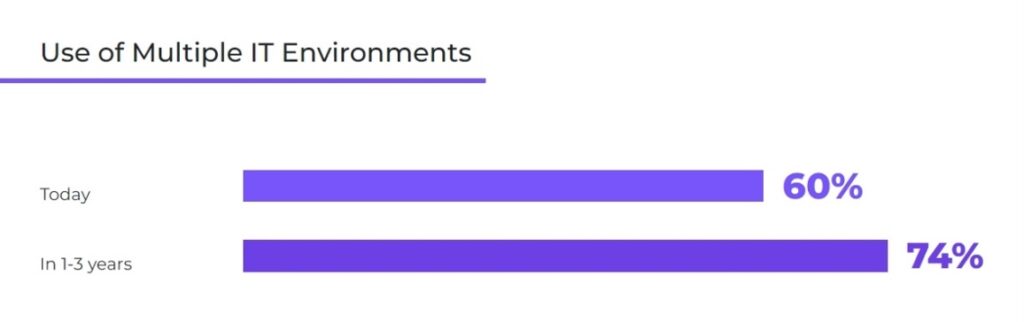
Half a decade later, the fifth annual Nutanix global Enterprise Cloud Index (ECI) research report shows a very different reality where most enterprises now see the inevitability – and the benefits – of running workloads simultaneously across public clouds, on-premises and at the edge. According to the professionals surveyed, 60 percent of enterprises already use multiple IT environments, and this number is growing.  

Data security, flexibility and costs are among the many reasons businesses have decided a hybrid infrastructure is the best solution. Micro Leasing Public Company Limited, which provides used truck financing services in Thailand, is one example of this change. It started by using the Nutanix Cloud Platform to optimize its systems and is now considering adopting Nutanix’s hybrid multicloud solution to support the company’s growth and to take full advantage of the resiliency capabilities available by using public cloud. 

However, with the exponential growth of data generation, these new complex IT environments have also presented challenges for IT professionals. Data visibility has become one of the most critical issues for companies, and this year’s ECI research shows that the majority (60 percent) of executives don’t have complete visibility into where their company’s data resides.

Not knowing the location of all their data is a significant risk for organizations. When a company lacks data visibility, it becomes more vulnerable to security breaches, is potentially slower to respond to incidents, and is worse at recovering information. It can also fail to comply with regulations, which adds an additional set of issues to contend with. 

When it doesn’t know where some data is, a business might not apply all the necessary security measures, such as access controls, encryption, and monitoring, leaving it unprotected and vulnerable.

Poor visibility can also impact incident response, as the lack of information may affect the ability of a company to coordinate an attack reaction, potentially resulting in significant damage and longer recovery times. 

Another challenge is that when businesses lose even a small part of their data visibility, it becomes harder to implement adequate data redundancy and backup strategies. This can lead to data loss, no matter how it’s caused, be that a cyber-attack, system failure or natural disaster.

KTBST SEC, a securities service provider in Thailand, has found that using Nutanix quickly gives them visibility of their data and applications on a single screen. Nutanix also enables them to back up important data in seconds, ensuring they can provide smooth and seamless services to their customers. 

Companies must also comply with multiple data protection regulations and/or data sovereignty laws in different countries. If a company is unaware of where its data is stored, it can inadvertently violate these regulations, resulting in fines, legal consequences, and reputational damage.

In Indonesia, the Ministry of Home Affairs knew that it needed a platform that could handle every aspect of big data collection and management to increase performance and support the One Data Indonesia policy. It also needed to leverage effective big data technology to analyze the growing volume, velocity, and variety of data for the greatest insights to all municipalities.

As a result of the deployment of their regional governance information system, Sistem Informasi Pemerintahan Daerah (SIPD) on Nutanix for 542 municipalities across Indonesia, the Ministry of Home Affairs has improved performance and data accuracy by at least 50 percent, increased operational efficiency by at least 2x, while achieving at least 40 percent in cost savings and was able to onboard 99 percent of their target provinces in less than a year.

Enterprises can achieve this by combining technologies, software-defined infrastructure, and automation tools. By giving complete data visibility, organizations can improve their decision-making process and optimize their operations for better results, ultimately leading to increased efficiency, productivity, and profitability. With the help of these platforms, they can unlock new opportunities for growth and success in today’s highly competitive business landscape.


ความเสี่ยงเกิดขึ้น เมื่อองค์กรมองไม่เห็นสถานะความเป็นไปของข้อมูล เราจะแก้ปัญหาอย่างไร

ความเสี่ยงเกิดขึ้น เมื่อองค์กรมองไม่เห็นสถานะความเป็นไปของข้อมูล เราจะแก้ปัญหาอย่างไร

ความเสี่ยงเกิดขึ้น เมื่อองค์กรมองไม่เห็นสถานะความเป็นไปของข้อมูล เราจะแก้ปัญหาอย่างไร

ฮัน ชอน

บทความโดยฮัน ชอน กรรมการผู้จัดการประจำเอเชียตะวันออกเฉียงใต้-ไต้หวัน-ฮ่องกง-เกาหลีใต้ นูทานิคซ์

ท่าทีของบริษัทและทัศนคติของผู้บริหารที่มีต่อโครงสร้างพื้นฐานคลาวด์ได้เกิดการเปลี่ยนแปลงอย่างมากในช่วงห้าปีที่ผ่านมา ในปี 2561 ผู้นำด้านไอทีส่วนใหญ่คาดการณ์ไว้ว่า ไม่วันใดก็วันหนึ่งพวกเขาจะรันเวิร์กโหลดทางธุรกิจทั้งหมดอย่างเป็นการเฉพาะบนไพรเวทคลาวด์หรือพับลิคคลาวด์

ห้าปีต่อมา รายงาน Enterprise Cloud Index (ECI) ซึ่งเป็นการวิจัยระดับโลกประจำปีฉบับที่ห้าของนูทานิคซ์ ได้เผยให้เห็นถึงความจริงที่เกิดขึ้นซึ่งแตกต่างกันมากกับที่องค์กรส่วนใหญ่เคยคาดการณ์ไว้ ผลวิจัยระบุว่า องค์กรส่วนใหญ่เห็นว่า การรันเวิร์กโหลดบนพับลิคคลาวด์, ศูนย์ข้อมูลที่อยู่ภายในองค์กรและที่ edge พร้อม ๆ กัน เป็นสิ่งที่หลีกเลี่ยงไม่ได้ และมีประโยชน์มาก ผลวิจัยระบุว่า 60 เปอร์เซ็นต์ขององค์กรที่ตอบแบบสำรวจ ใช้สภาพแวดล้อมไอทีหลากหลายประเภทอยู่แล้ว และจำนวนผู้ใช้ลักษณะนี้กำลังเพิ่มขึ้นเรื่อย ๆ 

รายงานยังระบุว่า เหตุผลหลักจากหลาย ๆ เหตุผล ที่ธุรกิจใช้ตัดสินใจว่าโครงสร้างพื้นฐานแบบไฮบริดเป็นโซลูชันที่ดีที่สุด คือเหตุผลด้านความปลอดภัยของข้อมูล ความยืดหยุ่น และค่าใช้จ่าย บริษัทไมโครลิสซิ่ง จำกัด (มหาชน) ซึ่งให้บริการสินเชื่อรถบรรทุกมือสองของไทย เป็นตัวอย่างหนึ่งของการเปลี่ยนแปลงนี้ โดยเริ่มจากการใช้คลาวด์แพลตฟอร์มของนูทานิคซ์ เพื่อเพิ่มประสิทธิภาพระบบภายในองค์กร และกำลังพิจารณานำโซลูชันด้านไฮบริดมัลติคลาวด์ของนูทานิคซ์มาใช้เพื่อรองรับการเติบโตของบริษัท เพื่อใช้ประโยชน์จากสมรรถนะด้านความยืดหยุ่นของพับลิคคลาวด์ได้เต็มประสิทธิภาพ

ความซับซ้อนของสภาพแวดล้อมไอทีลักษณะใหม่นี้ มาพร้อมกับการสร้างข้อมูลที่เพิ่มขึ้นแบบก้าวกระโดด จึงเป็นความท้าทายที่คนทำงานด้านไอทีต้องเผชิญ ความสามารถในการมองเห็นความเป็นไปของข้อมูลกลายเป็นหนึ่งในประเด็นร้อนที่สุดของบริษัทต่าง ๆ และผลวิจัย ECI ปีนี้ เผยให้เห็นว่าผู้บริหารส่วนใหญ่ (60 เปอร์เซ็นต์) ไม่สามารถมองเห็นได้อย่างครบถ้วนว่าข้อมูลต่าง ๆ ของบริษัทจัดเก็บอยู่ที่ใด

การไม่รู้ว่าข้อมูลทั้งหมดขององค์กรอยู่ที่ใดเป็นความเสี่ยงอย่างมากต่อองค์กร เมื่อใดก็ตามที่บริษัทมองไม่เห็นความเป็นไปของข้อมูลอย่างครบถ้วน บริษัทจะเสี่ยงต่อการละเมิดและการรั่วไหลของข้อมูลมากขึ้น อาจตอบสนองต่อเหตุการณ์ต่าง ๆ ได้ช้าลง และกู้คืนข้อมูลได้ยากขึ้น นอกจากนี้อาจไม่สามารถปฏิบัติตามกฎระเบียบต่าง ๆ ซึ่งเป็นการเพิ่มประเด็นปัญหาให้ต้องแก้ไขมากขึ้น 

เมื่อไม่รู้ว่าข้อมูลอยู่ที่ใด อาจทำให้ธุรกิจขาดภาพรวมในการนำมาตรการด้านความปลอดภัยที่จำเป็น เช่น การควบคุมการเข้าถึงข้อมูล, การเข้ารหัส, และการติดตามตรวจสอบ มาใช้ได้อย่างครอบคลุม ทำให้ไม่มีการป้องกันอย่างรัดกุมและถูกโจมตีได้ง่าย

การมองไม่เห็นอย่างชัดเจนว่าข้อมูลอยู่ที่ใด อาจกระทบต่อประสิทธิภาพในการตอบสนองต่อสถานการณ์ต่าง ๆ เพราะการขาดข้อมูลจะส่งผลต่อความสามารถของบริษัทในการประสานความร่วมมือเพื่อตอบโต้การโจมตีได้อย่างรอบด้าน ซึ่งอาจทำให้เกิดความเสียหายอย่างมากและต้องใช้เวลาในการกู้คืนระบบมากขึ้น

ความท้าทายอีกประการหนึ่งคือ เมื่อธุรกิจไม่สามารถมองเห็นข้อมูลของตนแม้เพียงส่วนเล็ก ๆ ก็ตาม จะทำให้การใช้กลยุทธ์ด้านการลดความซ้ำซ้อนของข้อมูลและการสำรองข้อมูลทำได้ยากขึ้น ซึ่งอาจทำให้ข้อมูลสูญหายจากหลายสาเหตุ ไม่ว่าจะเป็น การโจมตีทางไซเบอร์ ระบบล่ม หรือจากภัยธรรมชาติ

KTBST SEC ซึ่งเป็นผู้ให้บริการด้านหลักทรัพย์ในประเทศไทย พบว่าการใช้โซลูชันของนูทานิคซ์ ช่วยให้มองเห็นความเคลื่อนไหวของดาต้าและแอปพลิเคชันได้อย่ารวดเร็วบนหน้าจอเดียว นูทานิคซ์ยังช่วยให้สามาถสำรองข้อมูลสำคัญได้ภายในไม่กี่วินาที ทำให้มั่นใจในการบริการลูกค้าที่ราบรื่นต่อเนื่อง

นอกจากนี้ บริษัทต่าง ๆ ยังต้องปฏิบัติตามข้อบังคับด้านการคุ้มครองข้อมูลที่มีอยู่อย่างมากมาย และ/หรือต้องปฏิบัติตามกฎหมายว่าด้วยถิ่นที่อยู่ของข้อมูลที่ประเทศต่าง ๆ กำหนดไว้ ดังนั้นหากบริษัทใดบริษัทหนึ่งไม่รู้ว่าข้อมูลของตนถูกเก็บไว้ ณ ที่ใด บริษัทนั้นอาจละเมิดข้อบังคับต่าง ๆ โดยไม่ตั้งใจ ทำให้ต้องจ่ายค่าปรับ รับผลทางกฎหมาย และชื่อเสียงเสียหาย

ในประเทศอินโดนีเซีย กระทรวงมหาดไทยตระหนักว่าจำเป็นต้องมีแพลตฟอร์มที่สามารถการรวบรวมและการจัดการบิ๊กดาต้าในทุกแง่มุม เพื่อเพิ่มประสิทธิภาพและสนับสนุนนโยบาย One Data Indonesia นอกจากนี้ยังต้องใช้เทคโนโลยีด้านบิ๊กดาต้าที่มีประสิทธิภาพให้เป็นประโยชน์ในการวิเคราะห์ปริมาณ ความเร็ว และความหลากหลายของข้อมูลที่กำลังเพิ่มขึ้น เพื่อใช้เป็นข้อมูลเชิงลึกให้กับเทศบาลทุกแห่ง

กระทรวงมหาดไทยของอินโดนีเซีย ได้ติดตั้งระบบข้อมูลการกำกับดูและระดับภูมิภาคที่เรียกว่า Sistem Informasi Pemerintahan Daerah (SIPD) ไว้บนนูทานิคซ์ เพื่อให้เทศบาล 542 แห่งทั่วประเทศได้ใช้ ซึ่งช่วยให้กระทรวงฯ สามารถเพิ่มประสิทธิภาพและความแม่นยำของข้อมูลได้อย่างน้อย 50 เปอร์เซ็นต์ เพิ่มประสิทธิภาพการดำเนินงานได้อย่างน้อย 2 เท่า และประหยัดค่าใช้จ่ายได้อย่างน้อย 40 เปอร์เซ็นต์ และสามารถเข้าถึงจังหวัดเป้าหมายได้ 99 เปอร์เซ็นต์ภายในเวลาไม่ถึงหนึ่งปี

องค์กรจะมองเห็นสถานะและความเป็นไปของข้อมูลทั้งหมดได้อย่างสมบูรณ์ได้ ด้วยการนำเทคโนโลยีต่าง ๆ โครงสร้างพื้นฐานที่ควบคุมการทำงานด้วยซอฟต์แวร์ และเครื่องมืออัตโนมัติต่าง ๆ มาผสานใช้งานร่วมกัน และเมื่อมองเห็นข้อมูลทั้งหมดก็จะสามารถปรับกระบวนการตัดสินใจต่าง ๆ และดำเนินงานได้อย่างมีประสิทธิภาพมากขึ้น ได้ผลลัพธ์ดีขึ้น ซึ่งปลายทางก็คือเพิ่มประสิทธิภาพการทำงาน เพิ่มผลิตผล และสามารถทำกำไรได้มากขึ้น แพลตฟอร์มเหล่านี้ เปิดทางให้องค์กรพบโอกาสใหม่ ๆ ที่ใช้ขับเคลื่อนการเติบโตและประสบความสำเร็จในสนามธุรกิจที่มีการแข่งขันสูงในปัจจุบัน


Project Beacon: Nutanix Announces Vision for Hybrid Multicloud Platform-as-a-Service

Nutanix เปิดตัว Project Beacon เสริมแกร่งวิสัยทัศน์ Hybrid Multicloud Platform-as-a-Service

Project Beacon: Nutanix Announces Vision for Hybrid Multicloud Platform-as-a-Service

Aims to enable developers to write applications once and run them anywhere

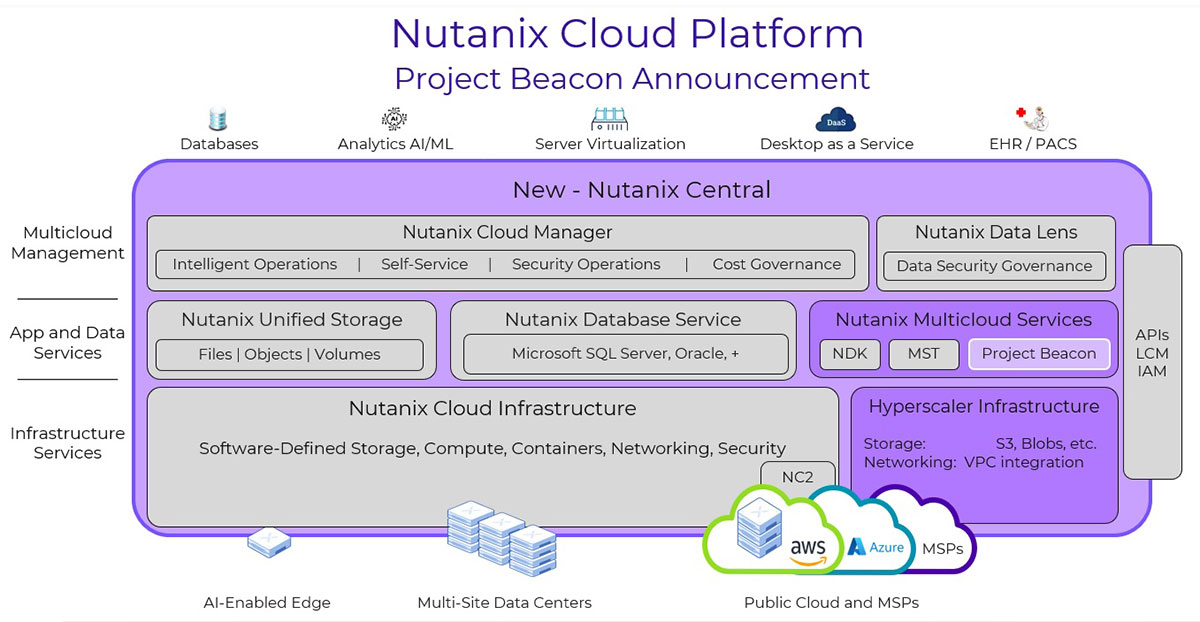
 Nutanix (NASDAQ: NTNX), a leader in hybrid multicloud computing, announced Project Beacon, a multi-year effort to deliver a portfolio of data-centric Platform as a Service (PaaS) level services available natively anywhere – including on Nutanix or on native public cloud. With a vision of decoupling the application and its data from the underlying infrastructure, Project Beacon aims to enable developers to build applications once and run them anywhere.

According to the Enterprise Cloud Index, 75% of IT teams expect to leverage more than one IT infrastructure – including on-premises, in public cloud or at the edge – in the next one to three years. Moving applications to a different environment is currently possible at the infrastructure layer. However, the PaaS services that many organizations use to help developers build and ship applications faster cause lock-in as they are tied to specific public clouds. This leads to high switching costs when looking to move applications to an environment that is more suitable, whether it’s due to cost, compliance, latency or other factors. Project Beacon aims to change that.

“Project Beacon is our vision for enabling developers to write applications once and run them anywhere by delivering data-centric PaaS level services that are no longer tied to a single infrastructure provider,” said Rajiv Ramaswami, President & CEO at Nutanix. “We hope to enable enterprises to fully embrace the benefits of hybrid multicloud, not only at the infrastructure layer but also at the application data layer.”

As part of Project Beacon, Nutanix aims to deliver the platform services that many organizations rely on, with a single API and console, integrated with Kubernetes® container orchestration, and consistent management across environments. This suite of data-centric platform services would be characterized by a consistent and simplified management experience, automated mobility, portable licensing, developer self-service, with built-in security and governance for cloud operations teams. Through these services, developers would have access to a suite of data-centric PaaS services whether in native public cloud, on-premises or at the edge, while operations teams would be able to remain in full control of data governance, compliance and data protection.

“As the industry’s leading enterprise Kubernetes platform, Red Hat OpenShift helps customers build, deploy and manage any application, anywhere,” said Matt Hicks, President and Chief Executive Officer, Red Hat. “With Project Beacon, Nutanix will build on our mission with a vision of data-centric platform services delivered consistently, anywhere, further extending customer choice on Red Hat’s open hybrid cloud platforms with Nutanix’s advanced data services.”

Nutanix is starting with database services, the foundation of all apps. As part of this effort, the company aims to extend the customer benefits of the Nutanix Database Service (NDB) solution as a managed service in the public cloud. This will build on the NDB database automation and management experience already available on Nutanix Cloud Infrastructure (NCI), as a managed service on native public cloud infrastructure. 

Nutanix would then expand from there to the most popular data-centric platform services, such as streaming, caching and search. The goal of this effort is to deliver all key elements needed to build modern applications so that developers would not have to rely on solutions that will lock them into a single infrastructure.

“Organizations have come to rely on public cloud services to accelerate the speed of development and innovation, but there are trade-offs – in terms of complexity, cost, lock-in, and more,” said Dave Pearson, IDC RVP for Infrastructure Systems, Platforms and Technologies. “With Project Beacon, Nutanix aims to reduce lock-in and increase application development simplicity through unified management, automated mobility and the ability to write applications once and deploy them as-needed on appropriate infrastructure.”