
Navigating the intersection of sustainability and technology

เส้นทางที่ความยั่งยืนและเทคโนโลยีมาทับซ้อนกัน

Navigating the intersection of sustainability and technology

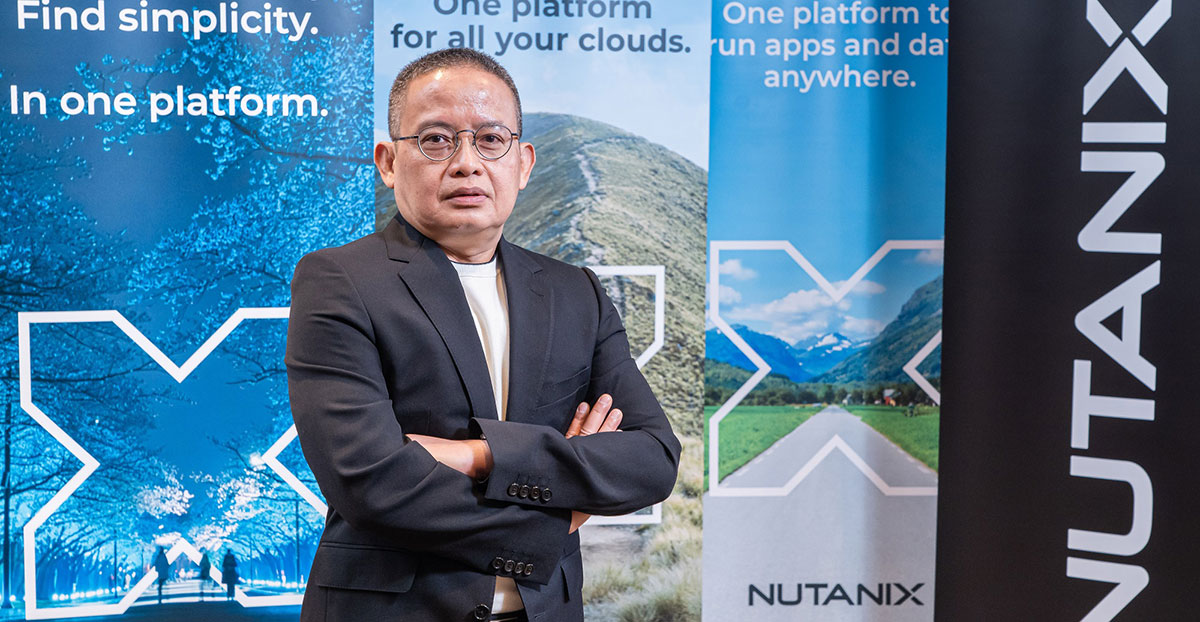
Article by Fetra Syahbana, country manager for Growth and Emerging Market’s (GEMS), Nutanix

We know the technology industry’s footprint on the environment is significant. As ever larger swaths of information are generated, and organizations amass even more data, the demand for datacenters and the energy to run them will continue to grow. Datacenters are estimated to be responsible for up to 3 percent of global electricity consumption today, the equivalent of supplying 10 New York cities over a year. They consume more power per capita than the whole UK, with their impact on electricity consumption projected to reach 4 percent by 2030.)

But energy consumption is just part of the impact since issues such as water consumption and e-waste generation need to be considered. Fortunately, most of the IT community is aware of these issues and agrees that sustainable growth is climbing to the top of organisations’ priority lists.   

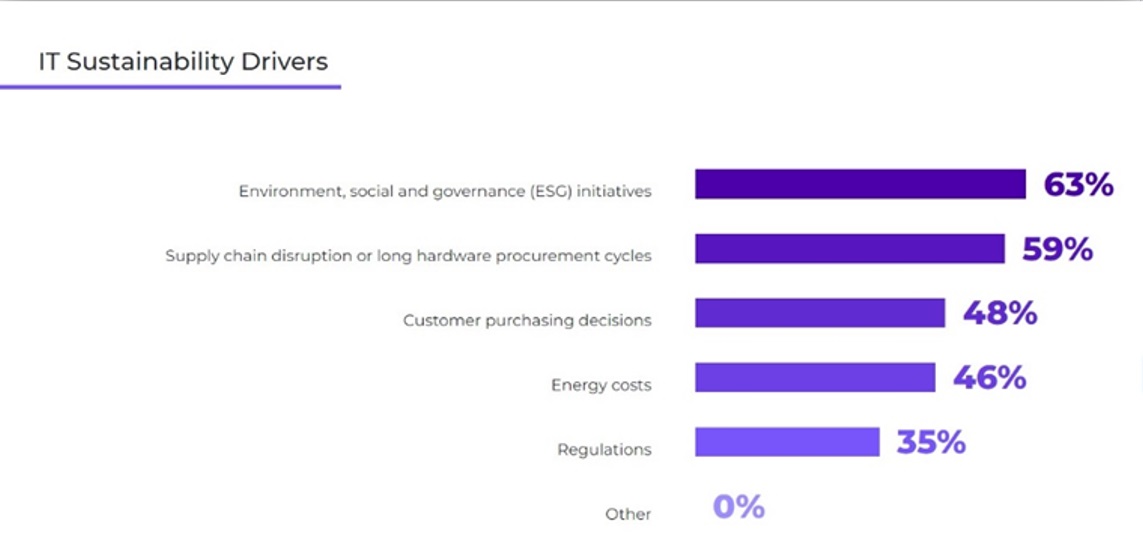
In fact, Nutanix’s 2023 Enterprise Cloud Index (ECI) research found that almost all (92 percent) respondents agreed sustainability is more important to their organisation than it was a year ago. This illustrates how the integration of sustainable practices into technology operations has become increasingly important for enterprises.

However, the same survey showed that almost nine in 10 executives acknowledged that meeting corporate sustainability goals is challenging.
Taking the right turn towards sustainability

One of the main challenges businesses faces is managing the complex and diverse technology environments in which they operate. The ECI report shows that in the Asia-Pacific region, 44 percent of companies have relocated applications in the last 12 months to meet sustainability goals, far outpacing the Americas or EMEA.

Thus, delivering sustainable business strategies that include IT operations is becoming increasingly crucial for businesses. As businesses expand their technology infrastructure, they must find ways to manage their carbon footprint and reduce their environmental impact.

Most organisations would love it if there was one comprehensive guide that acted like a compass in guiding them on how to best navigate the complex and ever-changing landscape of sustainability in technology. The reality is every organisation is different and requires a nuanced approach to develop and bring such strategies to life. To make impactful, positive change, organisations should think holistically and consider the environmental impact of technology as well as the social and economic dimensions of sustainability.

Paving an impactful sustainability strategy

Sustainability in technology requires a combination of technological innovation and strategic planning. By leveraging cutting-edge technology solutions such as hyperconverged infrastructure, businesses may be able to reduce their energy consumption and carbon footprint while also striving for greater efficiency and performance.

The manufacturer Natures Organics is a good example of what can be done.  The company wanted to overhaul its energy-hungry and power-lacking IT infrastructure. Business reporting was impacted because of database timeouts which in turn limited the company’s ability to make data-driven decisions. For a business operating in the fast moving consumer goods sector where business agility is a key factor, the situation was less than optimal.

Working with Nutanix partner Australian Sentinel, Natures Organics deployed Nutanix hyperconverged infrastructure and began moving applications and databases across. What’s more, IT costs overall were cut 32 percent and energy use by 55 percent.

Beyond this, companies must work to develop a comprehensive sustainability strategy that considers the broader social and economic impacts of technology. This requires a deep understanding of the needs and priorities of all stakeholders, from customers and employees to investors and regulators. By engaging with these stakeholders and working collaboratively to develop a shared vision of sustainability, businesses can become a guiding light for their industries and help to drive positive change.

That said, no business can solve the world’s ESG challenges. There needs to be a concerted effort across industries to enact actual change and drive impactful sustainability outcomes. Technology-focused companies, for example, must work with suppliers and partners to promote responsible sourcing and reduce the environmental impact of our supply chain footprint. 

Regulations are also shaping the focus on sustainability in the tech industry. Many countries are introducing regulations that require businesses to reduce their carbon footprint and adopt more sustainable practices. Governments are also leading by example. For instance, the Australian government announced a $1.2 billion investment in digital technology and cybersecurity, focusing on reducing carbon emissions and improving energy efficiency.

Thailand has announced a goal of carbon neutrality by 2050 and net zero greenhouse gas emissions (Net Zero) by 2065. The government has therefore accelerated the policy, roll out various incentives such as tax incentive measures, and encouraged all parties to leverage green technological innovations, to make the industrial and service sectors operate in a more environmentally friendly manner.

At the same time, it is important to recognise that sustainability is not just an environmental issue – it is also a social and economic issue. The industry’s commitment to sustainability must extend beyond our operations to the communities where we operate. Beyond their processes, organisations must also look at investing in local communities, supporting sustainable development, and promoting social responsibility. By investing in the well-being of our communities, we can help to create a more sustainable future for all.

Sustainability in the technology industry is now a necessary consideration that must be adopted into all aspects of business operations. The challenges of integrating sustainability practices into technology operations are significant, but the benefits are even greater. More sustainable practices can lead to cost savings, increased efficiency, and improved brand reputation. Furthermore, businesses prioritising sustainability are likely to attract and retain customers that want to work with organisations that align with their values and priorities.

เส้นทางที่ความยั่งยืนและเทคโนโลยีมาทับซ้อนกัน

เส้นทางที่ความยั่งยืนและเทคโนโลยีมาทับซ้อนกัน

เส้นทางที่ความยั่งยืนและเทคโนโลยีมาทับซ้อนกัน

บทความโดยนายเฟตรา ชาห์บานา ผู้จัดการประจำกลุ่มประเทศเกิดใหม่ที่เติบโต (GEMs), นูทานิคซ์

ทุกคนทราบดีว่าฟุตพริ้นท์ของอุตสาหกรรมด้านเทคโนโลยีที่มีผลต่อสิ่งแวดล้อมนั้นมีความสำคัญ การสร้างข้อมูลมากขึ้นและการที่องค์กรเก็บสะสมข้อมูลไว้มากขึ้น ทำให้ความต้องการดาต้าเซ็นเตอร์ และพลังงานที่ต้องใช้เพื่อการทำงานของดาต้าเซ็นเตอร์เพิ่มขึ้นต่อเนื่อง โดยคาดว่าจะมีการใช้ไฟฟ้าในดาต้าเซ็นเตอร์มากถึง 3 เปอร์เซ็นของการใช้ไฟฟ้าทั่วโลกในปัจจุบัน ซึ่งเทียบเท่ากับการจ่ายไฟให้เมืองนิวยอร์ก 10 เมืองในระยะเวลาหนึ่งปี ดาต้าเซ็นเตอร์ใช้พลังงานต่อหัวมากกว่าการใช้ทั่วทั้งสหราชอาณาจักร และคาดว่าจะมีการใช้ไฟฟ้าสูงถึง 4 เปอร์เซ็นต์ภายในปี พ.ศ. 2573

แต่ผลกระทบจากการใช้พลังงานเป็นเพียงส่วนหนึ่ง เพราะยังต้องพิจารณาประเด็นต่าง ๆ เช่น การใช้น้ำ และการสร้างขยะอิเล็กทรอนิกส์ประกอบกันด้วย นับเป็นความโชคดีที่คอมมิวนิตี้ด้านไอทีส่วนใหญ่ตระหนักถึงปัญหาเหล่านี้ และเห็นตรงกันว่า การเติบโตอย่างยั่งยืนกำลังเป็นเรื่องที่องค์กรให้ความสำคัญเป็นลำดับต้น ๆ

ผลสำรวจ Enterprise Cloud Index (ECI) ประจำปี 2566 ของนูทานิคซ์พบว่า ผู้ตอบแบบสำรวจเกือบทั้งหมด (92 เปอร์เซ็นต์) เห็นตรงกันว่าความยั่งยืนมีความสำคัญกับองค์กรมากกว่าปีที่ผ่านมา ผลสำรวจนี้ชี้ให้เห็นว่า ทำไมการนำวิธีปฏิบัติที่ยั่งยืนรวมเข้ากับการดำเนินการทางเทคโนโลยี จึงมีความสำคัญต่อองค์กรมากขึ้น

อย่างไรก็ตาม ผลสำรวจเดียวกันพบว่าผู้บริหาร 9 ใน 10 คนยอมรับว่าการบรรลุตามเป้าหมายด้านความยั่งยืนขององค์กรเป็นเรื่องที่ท้าทาย

เปลี่ยนสู่ความยั่งยืนอย่างเหมาะสม

หนึ่งในความท้าทายสำคัญที่ธุรกิจต้องเผชิญคือการจัดการสภาพแวดล้อมทางเทคโนโลยีที่ซับซ้อนและหลากหลาย ผลสำรวจ ECI เผยให้เห็นว่าในช่วง 12 เดือนที่ผ่านมา 44 เปอร์เซ็นต์ของบริษัทในภูมิภาคเอเชียแปซิฟิกทำการย้ายแอปพลิเคชันไปไว้บนสภาพแวดล้อมใหม่ เพื่อให้บรรลุเป้าหมายด้านความยั่งยืน ซึ่งเป็นสัดส่วนเปอร์เซ็นต์ที่ล้ำหน้าในอเมริกา หรือ EMEA อย่างมาก

ดังนั้น การนำเสนอกลยุทธ์ทางธุรกิจที่ยั่งยืนที่รวมการดำเนินงานด้านไอทีไว้ด้วยจึงมีความสำคัญต่อธุรกิจมากขึ้น เมื่อใดที่ธุรกิจขยายโครงสร้างพื้นฐานทางเทคโนโลยีของตน ธุรกิจเหล่านั้นจะต้องหาแนวทางบริหารจัดการคาร์บอนฟุตพริ้นท์ และลดผลกระทบต่อสิ่งแวดล้อมด้วย

องค์กรส่วนใหญ่มักต้องการคำแนะนำหนึ่งเดียวที่ครอบคลุมรอบด้าน และเป็นดั่งเข็มทิศนำทางสู่วิธีการที่ดีที่สุดในการจัดการกับความยั่งยืนทางเทคโนโลยีที่มีความซับซ้อนและเปลี่ยนแปลงตลอดเวลา แต่ในความเป็นจริง องค์กรทุกแห่งแตกต่างกัน และต้องการวิธีการที่เหมาะกับตนเพื่อพัฒนาและทำให้กลยุทธ์ดังกล่าวเป็นจริงได้ ดังนั้น องค์กรควรคิดแบบองค์รวมและพิจารณาผลกระทบของการใช้เทคโนโลยีที่มีผลต่อสิ่งแวดล้อม รวมถึงมิติทางสังคมและเศรษฐกิจที่เกี่ยวกับความยั่งยืน เพื่อสร้างให้เกิดการเปลี่ยนแปลงเชิงบวกและส่งผลที่มีนัยสำคัญ

กรุยทางสู่การใช้กลยุทธ์ด้านความยั่งยืนที่ส่งผลอย่างมีนัยสำคัญ

ความยั่งยืนทางเทคโนโลยี ต้องอาศัยการทำงานร่วมกันของนวัตกรรมทางเทคโนโลยีและการวางแผนเชิงยุทธศาสตร์ การใช้โซลูชันทางเทคโนโลยีที่ล้ำสมัย เช่น โครงสร้างพื้นฐานไฮเปอร์คอนเวิร์จอาจช่วยให้ธุรกิจลดการใช้พลังงานและคาร์บอนฟุตพริ้นท์ได้ ในขณะเดียวกันก็ช่วยเพิ่มประสิทธิภาพและสมรรถนะในการทำงานให้ดีขึ้น

บริษัท Natures Organics เป็นผู้ผลิตที่เป็นตัวอย่างที่ดีของความสำเร็จด้านนี้ บริษัทฯ ต้องการปรับปรุงโครงสร้างพื้นฐานไอทีที่ใช้พลังงานมากและขาดประสิทธิภาพให้ดีขึ้น การรายงานทางธุรกิจได้รับผลกระทบเพราะฐานข้อมูลหมดอายุ ซึ่งเป็นการจำกัดความสามารถในการตัดสินใจที่ต้องพึ่งพาข้อมูล สถานการณ์เช่นนี้ส่งผลลบต่อการดำเนินธุรกิจในส่วนของสินค้าอุปโภคบริโภคที่มีความเคลื่อนไหวรวดเร็ว และต้องการความคล่องตัวทางธุรกิจอย่างมาก

Natures Organics ติดตั้งโครงสร้างพื้นฐานไฮเปอร์คอนเวิร์จของนูทานิคซ์ ผ่านการทำงานร่วมกับ Australian Sentinel ซึ่งเป็นพันธมิตรของนูทานิคซ์ และเริ่มย้ายแอปพลิเคชันและฐานข้อมูลไปไว้บนโครงสร้างพื้นฐานใหม่นี้ ซึ่งช่วยลดค่าใช้จ่ายด้านไอทีโดยรวมลงได้ 32 เปอร์เซ็นต์ และลดการใช้พลังงานลง 55 เปอร์เซ็นต์

นอกจากเรื่องโครงสร้างพื้นฐานไอทีแล้ว บริษัทต้องพัฒนากลยุทธ์ด้านความยั่งยืนที่ครอบคลุม โดยพิจารณาถึงผลกระทบของการใช้เทคโนโลยีที่จะมีต่อสังคมและเศรษฐกิจในวงกว้าง การจะทำเช่นนี้ได้จำเป็นต้องเข้าใจความต้องการและลำดับความสำคัญที่แท้จริงของผู้มีส่วนได้เสียทั้งหมด ไม่ว่าจะเป็นลูกค้าและพนักงานของบริษัท ไปจนถึง ผู้ลงทุนและหน่วยงานกำกับดูแล และเมื่อผู้มีส่วนได้เสียทุกฝ่ายได้มีส่วนร่วมและทำงานร่วมกันเพื่อพัฒนาวิสัยทัศน์ด้านความยั่งยืนร่วมกันแล้ว ธุรกิจจะกลายเป็นผู้นำแนวทางด้านนี้ให้กับอุตสาหกรรม และช่วยขับเคลื่อนการเปลี่ยนแปลงที่ก่อให้เกิดผลเชิงบวก

กล่าวคือ ไม่มีธุรกิจใดสามารถแก้ไขความท้าทายด้าน ESG ของโลกได้เพียงลำพัง แต่จำเป็นต้องผสานความร่วมมือจากทุกอุตสาหกรรม เพื่อแสดงออกให้เห็นถึงการเปลี่ยนแปลงที่แท้จริง และขับเคลื่อนผลลัพธ์ด้านความยั่งยืนที่มีนัยสำคัญ เช่น บริษัทด้านเทคโนโลยีต้องทำงานร่วมกับซัพพลายเออร์และพันธมิตรเพื่อส่งเสริมการให้บริการอย่างมีความรับผิดชอบ และลดผลกระทบต่อสิ่งแวดล้อมที่เกิดจากซัพพลายเชนฟุตพริ้นท์ของบริษัท

กฎระเบียบยังส่งผลต่อรูปแบบของความยั่งยืนของอุตสาหกรรมด้านเทคโนโลยี หลายประเทศกำลังออกกฎระเบียบต่าง ๆ ที่กำหนดให้ธุรกิจลดคาร์บอนฟุตพริ้นท์และใช้แนวทางที่ยั่งยืนมากขึ้น เช่น รัฐบาลออสเตรเลีย ประกาศลงทุนด้านเทคโนโลยีดิจิทัลและความปลอดภัยทางไซเบอร์ 1.2 พันล้านดอลลาร์ โดยเน้นการลดการปล่อยก๊าซคาร์บอนและการใช้พลังงานให้มีประสิทธิภาพมากขึ้น

ประเทศไทยได้ประกาศเป้าหมายความเป็นกลางทางคาร์บอน (Carbon Neutrality) ภายในปี พ.ศ. 2593 และปล่อยก๊าซเรือนกระจกสุทธิเป็นศูนย์ (Net Zero) ภายในปี พ.ศ. 2608 รัฐบาลจึงเร่งผลักดันนโยบาย สร้างแรงจูงใจต่าง ๆ เช่น แรงจูงใจด้านภาษี และส่งเสริมการใช้นวัตกรรมทางเทคโนโลยีที่เป็นมิตรต่อสิ่งแวดล้อม ออกมาตรการต่าง ๆ เช่นมาตราการทางภาษีเพื่อจูงใจให้ภาคอุตสาหกรรมและภาคบริการของไทยดำเนินการในลักษณะที่เป็นมิตรต่อสิ่งแวดล้อมมากขึ้น

ในขณะเดียวกันเราต้องตระหนักว่าความยั่งยืนไม่ได้เป็นปัญหาด้านสิ่งแวดล้อมเท่านั้น แต่ยังเป็นปัญหาทางสังคมและเศรษฐกิจด้วย พันธสัญญาด้านความยั่งยืนของอุตสาหกรรมต้องขยายไปยังชุมชนที่ธุรกิจนั้น ๆ ดำเนินงานอยู่ด้วย ไม่ใช่เพียงการดำเนินงานขององค์กรเท่านั้น นอกเหนือจากกระบวนการต่าง ๆ แล้ว องค์กรต้องพิจารณาด้านการลงทุนกับชุมชุนในท้องถิ่น สนับสนุนการพัฒนาที่ยั่งยืน และส่งเสริมความรับผิดชอบต่อสังคม การลงทุนเพื่อให้ชุมชนที่องค์กรดำเนินกิจการอยู่มีความเป็นอยู่ที่ดี จะช่วยให้เราสร้างอนาคตที่ยั่งยืนให้กับทุกคนได้

ความยั่งยืนในอุตสาหกรรมด้านเทคโนโลยีเป็นสิ่งที่จำเป็นต้องพิจารณานำมาใช้กับทุกแง่มุมของการทำธุรกิจในปัจจุบัน การรวมแนวทางปฏิบัติที่ยั่งยืนเข้ากับการดำเนินงานทางเทคโนโลยีเป็นความท้าทายสำคัญ แต่ประโยชน์ที่ได้นั้นสำคัญกว่ามาก แนวทางปฏิบัติที่ยั่งยืนต่าง ๆ จะช่วยให้ประหยัดค่าใช้จ่าย เพิ่มประสิทธิภาพการทำงานและเพิ่มชื่อเสียงให้กับแบรนด์ นอกจากนี้ ธุรกิจที่ให้ความสำคัญกับความ ยั่งยืนมีแนวโน้มที่จะดึงความสนใจและรักษาลูกค้าที่ต้องการทำงานกับองค์กรที่เห็นคุณค่าและให้ความสำคัญกับแนวทางที่สอดคล้องกับตนไว้ได้


Nokia and Red Hat Announce Partnership for New Best-in-Class Telecommunications Solutions Based on Red Hat Infrastructure Platforms and Nokia’s Core Network Applications

Nokia และ Red Hat ประกาศความร่วมมือให้บริการ โซลูชันโทรคมนาคมระดับ Best-in-Class บนแพลตฟอร์มโครงสร้างพื้นฐานของ Red Hat และ Core Network Applications ของ Nokia

Nokia and Red Hat Announce Partnership for New Best-in-Class Telecommunications Solutions Based on Red Hat Infrastructure Platforms and Nokia’s Core Network Applications

    • Red Hat will now serve as Nokia’s primary reference platform for the company to develop, test and deliver its core network applications.
    • Service providers will benefit from Nokia’s focused development and leadership in future-ready core network software together with Red Hat’s deployment options for bare-metal, virtualized and public cloud.

Nokia and Red Hat, Inc., the world’s leading provider of open source solutions, today announced that they have reached an agreement to tightly integrate Nokia’s core network applications with Red Hat OpenStack Platform and Red Hat OpenShift. As part of the agreement, Nokia and Red Hat will jointly support and evolve existing Nokia Container Services (NCS) and Nokia CloudBand Infrastructure Software (CBIS) customers while developing a path for customers to migrate to Red Hat’s platforms over time. Additionally, Nokia will leverage Red Hat’s infrastructure platforms to enable faster development and testing of Nokia’s extensive core network portfolio. 

Nokia customers will continue to be supported by Nokia directly, while Red Hat will provide Nokia with ongoing development, services and advanced care for Nokia NCS and CBIS. As customer cloud strategies evolve, Red Hat and Nokia will support a smooth transition path for customers who choose to migrate to Red Hat’s platforms. In addition, certain Nokia cloud infrastructure teams will transition to Red Hat to provide continued roadmap evolution, deployment services and support on behalf of Nokia to its customers.

As service providers explore the opportunities with 5G, including core network, open RAN, multi-access edge computing (MEC), application modernization and more, they require greater flexibility and options to deploy applications and services on the infrastructure and location of their choice. This means integration and interoperability amongst the ecosystem is critical. With this move:

    • Nokia will adopt Red Hat as its primary cloud infrastructure platform to develop, test and deliver Nokia’s core network applications;
    • Nokia will continue to support its core network applications on the Nokia NCS and CBIS platform offerings;
    • Nokia’s core network applications will be tightly integrated with Red Hat OpenStack Platform and Red Hat OpenShift, the leading hybrid cloud application platform powered by Kubernetes;
    • Nokia will certify Nokia’s core network cloud-native network functions (CNFs) and virtualized network functions (VNFs) on Red Hat OpenShift and Red Hat OpenStack Platform with customer deployment options on bare-metal, virtualized and public cloud telco infrastructure offerings, including those from Amazon Web Services, Google, Microsoft and others.

Nokia cloud infrastructure platform customers will have the full service and support of Red Hat’s open source ecosystem and access to Red Hat’s transformative 4G and 5G technologies and use cases. By combining Nokia’s 5G expertise with Red Hat’s open hybrid cloud vision, customers will be able to transform their core network infrastructure and applications to be fully cloud-native and future-ready with service and support from Red Hat as the industry accelerates to the edge. 

Supporting Quotes

Fran Heeran, Senior Vice President & General Manager of Core Networks, Cloud and Network Services, Nokia

“This agreement further demonstrates Nokia Cloud and Network Services’ continued momentum to rebalance its portfolio. It will allow us to provide customers with our best-in-class core network applications, together with best-in-class cloud infrastructure from Red Hat, a global leader in open source infrastructure technology.”

Darrell Jordan-Smith, Senior Vice President, Telecommunications, Media and Entertainment & Edge, Red Hat

“Red Hat recognizes the explosive impact of 5G — not only for service providers, but across all industries – with the most exciting developments still to come. 5G is revolutionizing how businesses and people interact with the development of next-generation applications, services and use cases. As part of this partnership, Nokia is offering our multicloud, cloud native infrastructure together with their core networks applications, enabling service providers to capitalize on the 5G opportunity by deploying their 5G networks using Red Hat OpenStack Platform and Red Hat OpenShift.”

Additional Resources

Nokia และ Red Hat ประกาศความร่วมมือให้บริการโซลูชันโทรคมนาคมระดับ Best-in-Class บนแพลตฟอร์มโครงสร้างพื้นฐานของ Red Hat และ Core Network Applications ของ Nokia

Nokia และ Red Hat ประกาศความร่วมมือให้บริการ โซลูชันโทรคมนาคมระดับ Best-in-Class บนแพลตฟอร์มโครงสร้างพื้นฐานของ Red Hat และ Core Network Applications ของ Nokia

Nokia และ Red Hat ประกาศความร่วมมือให้บริการโซลูชันโทรคมนาคมระดับ Best-in-Class บนแพลตฟอร์มโครงสร้างพื้นฐานของ Red Hat และ Core Network Applications ของ Nokia

    • Nokia จะใช้ Red Hat เป็นแพลตฟอร์มหลักสำหรับบริษัทในการพัฒนา ทดสอบและให้บริการ core network applications
    • ผู้ให้บริการจะได้รับประโยชน์จากการพัฒนาที่เจาะจงและความเป็นผู้นำด้านซอฟต์แวร์
      core network ที่พร้อมสำหรับอนาคตของ Nokia รวมทั้งตัวเลือกในการปรับใช้ของ Red Hat สำหรับการดำเนินงานบน Bare-Metal, เวอร์ชวลไลซ์ และพับลิคคลาวด์

Nokia และ Red Hat ผู้ให้บริการโซลูชันโอเพ่นซอร์สระดับแนวหน้าของโลก บรรลุข้อตกลงในการผสานรวมแอปพลิเคชันศูนย์กลางเครือข่ายหลัก (core network applications) ของ Nokia เข้ากับ Red Hat OpenStack Platform และ Red Hat OpenShift ให้ทำงานร่วมกันได้อย่างเต็มประสิทธิภาพ หนึ่งในการดำเนินการตามข้อตกลงนี้คือ Nokia และ Red Hat จะร่วมกันสนับสนุนและพัฒนาลูกค้าปัจจุบันในกลุ่ม Nokia Container Services (NCS) และ Nokia CloudBand Infrastructure Software (CBIS) ในขณะเดียวกันจะพัฒนาแนวทางสำหรับการย้ายการทำงานไปยังแพลตฟอร์มของ Red Hat ในอนาคต นอกจากนี้ Nokia จะใช้แพลตฟอร์มโครงสร้างพื้นฐานของ Red Hat เพื่อให้สามารถพัฒนาและทดสอบพอร์ตโฟลิโอ core network ที่ครอบคลุมในวงกว้างของ Nokia ได้เร็วขึ้น

ลูกค้าของ Nokia จะได้รับการสนับสนุนช่วยเหลือจาก Nokia โดยตรงเช่นเดิม ส่วน Red Hat จะมอบการพัฒนาอย่างต่อเนื่อง บริการต่าง ๆ และการดูแลขั้นสูงให้กับ Nokia NCS และ CBIS และเมื่อกลยุทธ์คลาวด์ของลูกค้าพัฒนาขึ้น  Red Hat และ Nokia จะมอบเส้นทางการเปลี่ยนผ่านที่ราบรื่นให้กับลูกค้าที่เลือกจะโยกย้ายการทำงานไปยังแพลตฟอร์มของ Red Hat นอกจากนี้ ทีมด้านโครงสร้างพื้นฐานคลาวด์ของ Nokia บางส่วนจะเปลี่ยนไปใช้ Red Hat เพื่อช่วยให้การพัฒนาโรดแมป การใช้บริการต่าง ๆ เป็นไปอย่างต่อเนื่อง และเป็นการให้การสนับสนุนในนามของ Nokia แก่ลูกค้าของบริษัท

การที่ผู้ให้บริการต่างมองหาโอกาสต่าง ๆ ที่ 5G นำมาให้ เช่น core network, open RAN, multi-access edge computing (MEC), การปรับปรุงแอปพลิเคชันให้ทันสมัย และอื่น ๆ ทำให้ผู้ให้บริการเหล่านั้นต้องการความยืดหยุ่นและทางเลือกที่หลากหลาย เพื่อให้สามารถเลือกได้ว่าจะใช้แอปพลิเคชันและบริการต่าง ๆ บนโครงสร้างพื้นฐานใด และวางไว้ ณ จุดใด ตามความต้องการของตน ซึ่งนั่นหมายความว่าการบูรณาการและการทำงานร่วมกันระหว่างระบบนิเวศเป็นสิ่งสำคัญมาก และนี่คือสิ่งที่ Nokia และ Red Hat ร่วมมือกัน

    • Nokia จะใช้ Red Hat เป็นแพลตฟอร์มโครงสร้างพื้นฐานคลาวด์หลัก สำหรับการพัฒนา การทดสอบ และให้บริการ core network applications ของ Nokia
    • Nokia จะยังคงให้การสนับสนุน core network applications บนแพลตฟอร์ม Nokia NCS และ CBIS
    • Core network applications ของ Nokia จะถูกรวมเข้ากับ Red Hat OpenStack Platform และ Red Hat OpenShift ซึ่งเป็นแพลตฟอร์มแอปพลิเคชันแบบไฮบริดคลาวด์ชั้นนำที่ขับเคลื่อนโดย Kubernetes
    • Nokia จะให้การรับรอง core network แบบ cloud-native network functions (CNFs) และ virtualized network functions (VNFs) ของ Nokia ที่อยู่บน Red Hat OpenShift และ Red Hat OpenStack Platform พร้อมตัวเลือกให้ลูกค้าที่ใช้บริการโครงสร้างพื้นฐานด้านโทรคมนาคม บน bare-metal, เวอร์ชวลไลซ์ และพับลิคคลาวด์ รวมถึงจาก Amazon Web Services, Google, Microsoft และอื่น ๆ

ลูกค้าแพลตฟอร์มโครงสร้างพื้นฐานคลาวด์ของ Nokia จะได้รับบริการและการสนับสนุนจากระบบนิเวศโอเพ่นซอร์สของ Red Hat อย่างเต็มรูปแบบ และเข้าถึงเทคโนโลยีเกี่ยวกับ 4G และ 5G ที่มีศักยภาพสูง และ use case ต่าง ๆ ของ Red Hat การผสานพลังความเชี่ยวชาญด้าน 5G ของ Nokia เข้ากับวิสัยทัศน์ด้านโอเพ่นไฮบริดคลาวด์ของ Red Hat จะช่วยให้ลูกค้าสามารถทรานส์ฟอร์มโครงสร้างพื้นฐานและแอปพลิเคชันที่เป็น core network ให้เป็นคลาวด์-เนทีฟอย่างเต็มรูปแบบ และพร้อมรับอนาคตด้วยบริการและการสนับสนุนจาก Red Hat ในเวลาที่ทุกแวดวงต่างเร่งขับเคลื่อนสู่การใช้ edge

คำกล่าวสนับสนุน

Fran Heeran, Senior Vice President & General Manager of Core Networks, Cloud and Network Services, Nokia

“ข้อตกลงนี้พิสูจน์ให้เห็นถึงความต่อเนื่องของแรงขับเคลื่อน Nokia Cloud and Network Services เพื่อปรับพอร์ตโฟลิโอให้สมดุล ซึ่งจะช่วยให้เราให้บริการ core network applications ที่มีประสิทธิภาพระดับ best-in-class ให้ลูกค้า ควบคู่กับโครงสร้างพื้นฐานคลาวด์ที่เป็น best-in-class จาก Red Hat ซึ่งเป็นผู้นำระดับโลกด้านเทคโนโลยีโครงสร้างพื้นฐานที่เป็นโอเพ่นซอร์ส”

Darrell Jordan-Smith, Senior Vice President, Telecommunications, Media and Entertainment & Edge, Red Hat

“Red Hat ตระหนักว่า 5G ส่งผลกระทบที่หนักหน่วงไม่เพียงต่อผู้ให้บริการต่าง ๆ เท่านั้น แต่กระทบต่อภาคอุตสาหกรรมทั้งหมด ทั้งยังจะมีการพัฒนาต่าง ๆ ที่น่าตื่นตาตื่นใจตามมาอีก 5G กำลังปฏิวัติวิธีปฏิสัมพันธ์กันของธุรกิจและผู้คนผ่านการพัฒนาแอปพลิเคชัน บริการ และ use cases ที่เป็น next-generation ความร่วมมือครั้งนี้ Nokia นำเสนอมัลติคลาวด์, โครงสร้างพื้นฐานแบบคลาวด์-เนทีฟของ Red Hat ร่วมกับ core networks applications ของ Nokia ซึ่งช่วยให้ผู้ให้บริการต่าง ๆ ได้รับโอกาสจาก 5G ผ่านการใช้เครือข่าย 5G ของตนบน Red Hat OpeStack Platform และ Red Hat OpenShift”

ข้อมูลเพิ่มเติม

Adding AI to your distribution toolkit

Adding AI to your distribution toolkit

Adding AI to your distribution toolkit

By Terry Smagh, Senior Vice President and General Manager for Asia Pacific and Japan, Infor

Across most industries, the buzz is about finding use cases that promote the value of artificial intelligence. But, how will the distribution industry specifically benefit? And, where can AI create value for your business and workers?

First, there was robotic process automation (RPA), and then chatbots. They started dumb, handling menial tasks. But, infused with AI, they got smarter and added more value to their output, moving into all types of business and operation. Now almost any digital office or production application comes with AI features baked in, and they are learning fast.

For distribution leaders and IT teams, there is plenty to focus on already without getting distracted by possibilities that haven’t quite materialized yet (think self-driving vehicles, augmented reality glasses, drone deliveries, etc.). But the rise of AI will not fade away because it’s making so many tasks quicker and easier. So here’s what you need to know.

What is artificial intelligence?

In short, AI is software, linked to data, or sensors, and capable of processing it, learning from it, and providing a valuable output. That might be an insight based on complex data, predicting supply variations, or performing big data tasks (facial recognition, medical scans, voice chat, and more) incredibly quickly.

AI use has grown dramatically thanks to the massive scale of the cloud, with powerful processors crunching complex math and accessing huge data sets, often in real-time.

To the end user, AI is just another service that might be called “predictive analytics” or “smart learning” to give it a more business-friendly name. Whatever the descriptor, AI is tasked with performing a process, with all the magic working underneath. 

Using AI in distribution

Distribution businesses that rely on cloud solutions like Infor© CloudSuite Distribution Enterprise and Infor CloudSuite Distribution, update with new features at a steady cadence with AI becoming just another tool for users to experiment with and extract value from. For today’s distributors looking to be ready for tomorrow, AI can:

Manage suppliers

Many distributors are rightly proud of their supplier relations, but AI and machine learning can inspect the data behind their service and suggest ways to deliver improved supplier performance, ironing out process inefficiencies or product weaknesses that might only be visible in easily neglected returns logs.

Improve the sales experience

AI can constantly tweak prices or display dynamic recommended buying options to increase the chance of completing a sale. Based on customer history and market conditions, AI-powered sales applications can suggest volume discounts using both sales data and sentiment analysis. 

Optimize your inventory

Most distributors already run inventory applications to keep the right amount of stock ordered for today, but AI can monitor sales patterns and ensure that the right stock is in the right warehouse constantly as seasons, markets, and products or supplies change.

AI can also monitor transport costs and supplier charges, finding the most cost-effective ways to purchase, deliver, and distribute goods to-and-from your warehouse operations. It can provide buyers with recommendations, and update routings, ensuring the fastest service for customers. 

Maximize sales and buying efforts

With AI making an increasingly powerful appearance in business processes and management tools, it can take over many of the dull and time-consuming tasks that workers used to put up with. The extra time can be spent building relationships with customers up and down the supply chain, providing them with data-driven insights, and highlighting your company as one on the cutting edge.

Make it easy for everyone to use

Everyone from a new warehouse staffer to the CIO will get maximum value from their AI tools if you choose a platform with preconfigured AI models. This makes machine learning more accessible through low-code and no-code implementations. And the automated retraining means hands-off maintenance. Infor’s Coleman AI offers these capabilities.

In summary

In just a few short years, AI solutions have crossed from science fiction into business reality, delivering on their potential to save time, cut costs and deliver value through smart insights. Fear of AI has largely been left in the rearview mirror, and this is only the beginning of AI’s place in technology.

Some useful insights from Deloitte’s just-published 5th annual State of AI in the Enterprise

report highlights:

    • 42% of firms already use algorithmic supply chain planning.
    • 65% of firms buy an AI service rather than build their own.
    • 82% of respondents surveyed indicated their employees believe that working with AI technologies will enhance their performance and job satisfaction.
    • But there is more to do on risk, transparency, and security.

These insights and opportunities to accelerate automation will empower distribution companies to take a greater interest as AI services become a feature of all applications and services.