อาลีบาบา เปิดตัว Wan3.0 สร้างวิดีโอได้ยาวขึ้นสองเท่า รองรับอินพุตหลายรูปแบบ จัดเต็มกว่าเดิม

อาลีบาบา เปิดตัว Wan3.0 สร้างวิดีโอได้ยาวขึ้นสองเท่า รองรับอินพุตหลายรูปแบบ จัดเต็มกว่าเดิม

อาลีบาบา เปิดตัว Wan3.0 สร้างวิดีโอได้ยาวขึ้นสองเท่า รองรับอินพุตหลายรูปแบบ จัดเต็มกว่าเดิม

โมเดลล่าสุดรองรับอินพุตแบบ multimodal ช่วยแปลงข้อมูลที่มีข้อความจำนวนมาก ให้เป็นคอนเทนต์วิดีโอแบบไดนามิกที่มีความยาวสูงสุด 30 วินาที

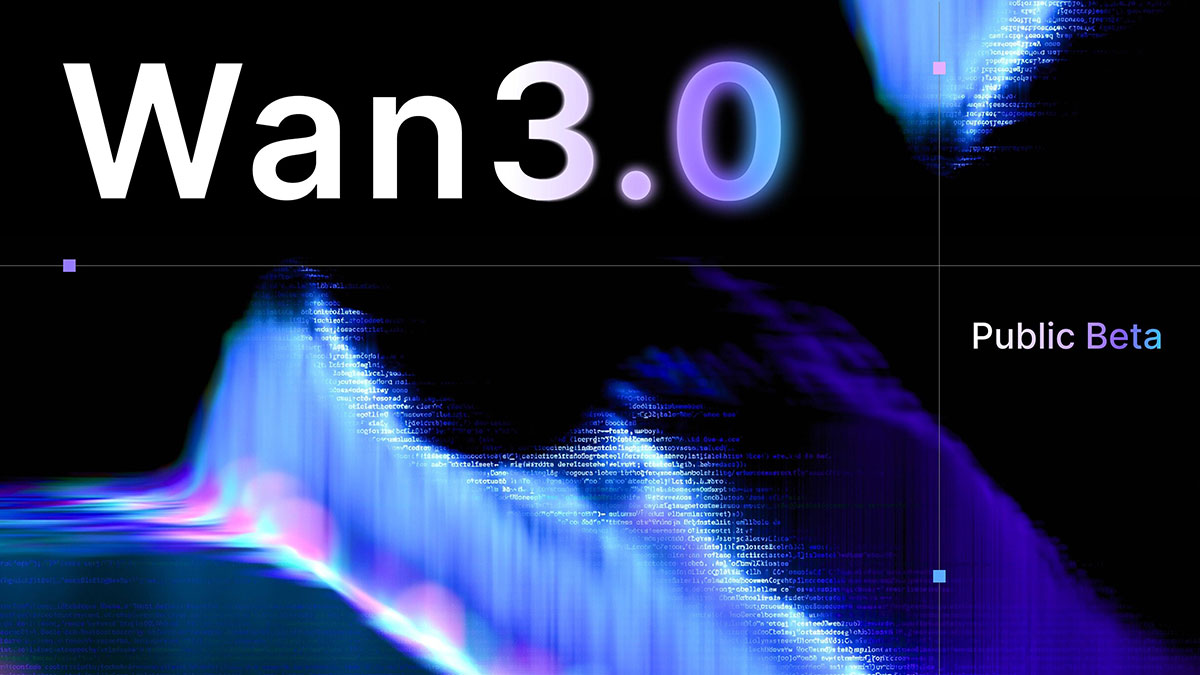
อาลีบาบา เปิดตัว Wan3.0 เวอร์ชันเบต้า โมเดลสร้างวิดีโอขั้นสูงรองรับการสร้างวิดีโอความยาวสูงสุด 30 วินาที และอินพุตหลายรูปแบบพร้อมกัน (multimodal) นับเป็นอีกก้าวสำคัญของ generative AI ด้วยการผสานความสามารถในการสร้างวิดีโอคุณภาพสูง รักษาความต่อเนื่องและความสอดคล้องขององค์ประกอบภาพที่แม่นยำ รวมถึงการรองรับอินพุตแบบ multimodal ไว้ในโมเดลเดียว ช่วยเพิ่มประสิทธิภาพและลดความซับซ้อนของกระบวนการทำงานสำหรับการใช้งานระดับมืออาชีพ ปัจจุบัน Wan3.0 เปิดให้ทดสอบแบบ public beta แล้ว ผู้ใช้สามารถลงทะเบียนร่วมทดสอบโมเดลผ่าน Model Studio แพลตฟอร์มพัฒนา AI ของอาลีบาบา คลาวด์  และ Qwen Cloud ซึ่งเป็นแพลตฟอร์มคลาวด์แบบ AI-native

เครื่องมือสร้างวิดีโอ AI ทั่วไปสามารถสร้างคลิปได้ตั้งแต่ไม่กี่วินาทีจนถึงประมาณ 15 วินาที (ซึ่งเป็นความยาวสูงสุดของ Wan2.7-Video ซึ่งเป็นโมเดลรุ่นก่อนหน้า) ขณะที่ Wan3.0 รองรับการสร้างวิดีโอที่มีความยาวสูงสุดถึง 30 วินาทีต่อคลิป ช่วยให้ครีเอเตอร์สามารถสร้างสรรค์การเคลื่อนไหวของกล้องที่ซับซ้อน รวมถึงช็อตต่อเนื่องแบบไม่ตัดได้อย่างราบรื่น นอกจากนี้ Wan3.0 ยังมาพร้อมฟีเจอร์ intelligent duration ที่ช่วยแนะนำความยาววิดีโอที่เหมาะสมตามพร้อมต์ของผู้ใช้ รวมถึงฟีเจอร์ video extension ที่ช่วยขยายความยาววิดีโอ เพื่อถ่ายทอดเรื่องราวได้อย่างต่อเนื่องยิ่งขึ้น

อีกหนึ่งจุดเด่นสำคัญของ Wan3.0 คือความสามารถในการรับอินพุตหลายรูปแบบที่ครอบคลุม โดยโมเดลสามารถประมวลผลข้อความ รูปภาพ วิดีโอและเสียงได้พร้อมกัน รวมถึงหน้าเว็บและเอกสารต่าง ๆ อาทิ ไฟล์ PDF และ PowerPoint ฟีเจอร์นี้ช่วยให้ผู้ใช้สามารถเปลี่ยนข้อมูลที่เป็นตัวหนังสือยาว ๆ ที่ไม่มีลูกเล่นใด ๆ ให้เป็นคอนเทนต์วิดีโอที่มีความเคลื่อนไหวได้อย่างมีประสิทธิภาพ

วิดีโอตัวอย่างโดย Wan3.0

https://www.alizila.com/alibaba-unveils-wan3-0-with-twice-as-long-video-outputs-from-a-richer-variety-of-inputs/ 

Wan3.0 มาพร้อมกับความสามารถในการรักษาความต่อเนื่องของภาพด้วยความแม่นยำสูง เพื่อแก้ไขปัญหาความไม่ต่อเนื่องและผิดเพี้ยนของภาพที่พบได้ทั่วไปในสื่อที่สร้างด้วย AI โดยโมเดลสามารถเรนเดอร์ใบหน้ามนุษย์ได้อย่างสมจริง พร้อมถ่ายทอดรายละเอียดการแสดงออกทางสีหน้าได้อย่างเป็นธรรมชาติและสอดคล้องกัน สร้างเสียงพูดหลายภาษาได้อย่างเป็นธรรมชาติ ตลอดจนแสดงผลหน้าจอซอฟต์แวร์และโมชั่นกราฟิกได้อย่างถูกต้องและมีเสถียรภาพ

นอกเหนือจากความเสถียรของภาพแล้ว Wan3.0 ยังออกแบบให้สามารถถ่ายทอดรายละเอียดที่ซับซ้อนจากอินพุตได้อย่างแม่นยำ พร้อมควบคุมรายละเอียดของตัวละคร และผลิตภัณฑ์ ความสัมพันธ์เชิงพื้นที่ ตลอดจนความสอดคล้องของเสียงได้อย่างมีประสิทธิภาพ แทนที่จะสร้างเพียงภาพที่มีความคล้ายคลึงเท่านั้น นอกจากนี้ Wan3.0 ยังสามารถจำลองตัวละคร อุปกรณ์ประกอบฉาก เสียง การจัดวางองค์ประกอบ และสไตล์จากอินพุตได้อย่างแม่นยำ พร้อมรักษาความสอดคล้องขององค์ประกอบภาพและเสียง ความแม่นยำนี้เมื่อผสานเข้ากับการเคลื่อนไหวและการแสดงอารมณ์ที่เป็นธรรมชาติ ช่วยยกระดับคลิป AI ทั่วไปให้กลายเป็นเรื่องราวที่มีมิติ น่าติดตาม และชวนให้ผู้ชมรู้สึกมีส่วนร่วมกับเรื่องราวมากยิ่งขึ้น

Wan3.0 ออกแบบให้รองรับการใช้งานในหลากหลายอุตสาหกรรม ตั้งแต่การช่วยเพิ่มประสิทธิภาพกระบวนการผลิตสำหรับผู้สร้างภาพยนตร์ การสร้างละครสั้น และคอนเทนต์บนโซเชียลมีเดีย ไปจนถึงช่วยให้ภาคธุรกิจสามารถเปลี่ยนข้อความและรูปภาพให้เป็นวิดีโอสำหรับการตลาดและการศึกษาได้อย่างง่ายดาย นอกจากนี้ Wan3.0 ยังเป็นเครื่องมือทรงพลังสำหรับนักพัฒนาเทคโนโลยี ในการสร้างวิดีโอจำลองสถานการณ์ที่สมจริง เพื่อนำไปใช้ฝึกระบบรถยนต์ไร้คนขับและระบบหุ่นยนต์

อาลีบาบา เปิดตัวโมเดลสร้างภาพและวิดีโอในตระกูล Wan เป็นครั้งแรกเมื่อเดือนกรกฎาคม 2566 จากนั้นได้พัฒนาและยกระดับความสามารถของโมเดลอย่างต่อเนื่อง เพื่อให้การสร้างภาพและวิดีโอมีความสมจริง ใช้งานง่าย และตอบโจทย์การใช้งานของครีเอเตอร์ได้ดียิ่งขึ้น

ติดตามรายละเอียดเพิ่มเติม และ รับชมวิดีโอตัวอย่างที่สร้างโดย Wan3.0 ได้ที่ Alizila


Dell PowerStore for Nutanix Cloud Platform Is Now Available with Nutanix Cloud Infrastructure (NCI) 7.6

Dell PowerStore for Nutanix Cloud Platform พร้อมใช้แล้วบน Nutanix Cloud Infrastructure (NCI) 7.6

Dell PowerStore for Nutanix Cloud Platform Is Now Available with Nutanix Cloud Infrastructure (NCI) 7.6

Dell PowerStore brings NVMe all-flash storage to Nutanix with transparent Prism integration and independent scaling. Available now.

Dell and Nutanix today announced that PowerStore now supports Nutanix Cloud Platform, available with NCI 7.6. Organizations want enterprise storage performance in their Nutanix environments without giving up the simplicity that brought them to the platform. Today, Dell and Nutanix are delivering on that promise.

Dell PowerStore now supports Nutanix Cloud Platform with NCI 7.6, bringing end-to-end NVMe all-flash performance and independent compute and storage scaling to Nutanix AHV hypervisor. PowerStore integrates transparently into Prism — no new tools or training required. Dell Private Cloud completes the platform with automated deployment, full-stack lifecycle management and Dell system-level hardware support.

This makes PowerStore the second Dell storage platform to integrate with Nutanix, following PowerFlex, which became the first external storage supported and integrated with Nutanix Cloud Platform. Together with Dell Private Cloud, which completes the platform with automated lifecycle management and Dell system-level hardware support, organizations now have a fully validated foundation for running Nutanix with enterprise-grade external storage.

Key capabilities

As Dell’s flagship all-flash storage platform, PowerStore delivers end-to-end NVMe performance, always-on data reduction and comprehensive data protection. For Nutanix environments, Dell and Nutanix have engineered an integration that preserves the operational experience Nutanix teams expect.

  • End-to-end NVMe all-flash performance – Consistent low-latency storage for mission-critical databases, enterprise applications and data-intensive analytics without consuming compute resources for storage data services.
  • Independent compute and storage scalability – With Dell Private Cloud, add Dell PowerEdge compute nodes or expand PowerStore capacity on separate tracks based on actual workload demand. PowerStore’s Dynamic Resiliency Engine enables granular storage scaling one drive at a time.
  • Transparent Prism integration – Provisioning, snapshots, clones and expanding virtual hard disks are handled directly through Prism. Existing Nutanix skills apply from day one.
  • 6:1 data reduction guaranteed – Always-on intelligent deduplication and compression deliver an industry-leading 6:1 data reduction guarantee, consolidating more workloads while lowering storage costs.
  • Versatile cyber resilience – From asynchronous replication to Metro synchronous with zero RPO and zero RTO, protection policies are managed from Prism. Remote backups via Dell PowerProtect Data Manager provide long-term retention with cloud archival and retention locks.

Dell Private Cloud completes the platform

PowerStore brings enterprise storage to Nutanix. Dell Private Cloud completes the platform, automating AHV deployment with validated blueprints, orchestrating lifecycle management, and backing the full stack with Dell system-level hardware support. The result is appliance-like simplicity on disaggregated infrastructure, with the flexibility to run PowerStore or PowerFlex on a single Dell foundation.

In a recent Technical First Look, Omdia validated the integration, noting that Dell Private Cloud enables organizations to “deploy workload-ready clusters in approximately 2.5 hours, with zero manual effort needed after hardware installation, representing over 90% fewer steps compared to manual deployment methods.”

“Customers across APJ are looking for infrastructure that delivers both flexibility and simplicity without compromising performance. By bringing Dell PowerStore to the Nutanix Cloud Platform, we’re enabling organisations to leverage enterprise-grade storage capabilities and scale compute and storage independently – all while using the Prism tools they already know. This is another clear example of how Dell and Nutanix are delivering customers greater choice and control for our customer’ IT strategies.”– Helder Queiros, Senior Director, OEM & Alliances, APJ, Nutanix

What this means for customers

PowerStore for Nutanix is the latest step in a 14-year partnership that continues to accelerate. With PowerStore support for Nutanix Cloud Platform, Dell now offers the broadest infrastructure portfolio available for Nutanix environments, spanning from private cloud to disaggregated architecture, and extended data protection. This is what infrastructure freedom looks like, the flexibility to choose the right platform for every workload, the simplicity to manage it through the tools your team already knows, and a partnership that keeps building what comes next.

Availability

PowerStore for Nutanix Cloud Platform is available now with AOS 7.6. Whether you’re modernizing from traditional HCI, evaluating hypervisor alternatives, or looking for enterprise storage performance in your Nutanix environment, visit the PowerStore page or reach out to your Dell or Nutanix representative.

Dell PowerStore for Nutanix Cloud Platform พร้อมใช้แล้วบน Nutanix Cloud Infrastructure (NCI) 7.6

Dell PowerStore for Nutanix Cloud Platform พร้อมใช้แล้วบน Nutanix Cloud Infrastructure (NCI) 7.6

Dell PowerStore for Nutanix Cloud Platform พร้อมใช้แล้วบน Nutanix Cloud Infrastructure (NCI) 7.6

Dell PowerStore นำระบบจัดเก็บข้อมูล NVMe all-flash storage ทำงานร่วมกับ Nutanix และ Prism ได้อย่างราบรื่น รวมถึงความสามารถในการสเกลได้อย่างเป็นอิสระ พร้อมวางจำหน่ายแล้ววันนี้


เดลล์ (Dell) และ นูทานิคซ์ (Nutanix) เผย PowerStore สามารถใช้งานร่วมกับ Nutanix Cloud Platform บน Nutanix Cloud Infrastructure 7.6 (NCI 7.6) แล้ว ความร่วมมือนี้ตอบโจทย์ความต้องการขององค์กรต่าง ๆ ที่ล้วนต้องการใช้ประสิทธิภาพของระบบจัดเก็บข้อมูลระดับองค์กร ภายใต้สภาพแวดล้อมการทำงานบนแพลตฟอร์มของ Nutanix โดยที่ยังคงความเรียบง่ายซึ่งเป็นจุดเด่นของแพลตฟอร์มไว้

Dell PowerStore ที่ทำงานร่วมกับ Nutanix Cloud Platform บน NCI 7.6 นำประสิทธิภาพจาก NVMe all-flash ครบวงจร และความสามารถในการสเกลส่วนประมวลผลและส่วนจัดเก็บข้อมูลแยกออกจากกันได้อย่างอิสระบน Nutanix AHV hypervisor นอกจากนี้ PowerStore ยังเชื่อมต่อเข้ากับ Prism ได้อย่างราบรื่นจนผู้ใช้งานแทบไม่รู้สึกถึงความแตกต่าง โดยไม่จำเป็นต้องใช้เครื่องมือใหม่หรือฝึกอบรมพิ่มเติม ทั้งยังเสริมความสมบูรณ์ให้แพลตฟอร์มด้วย Dell Private Cloud ที่มาพร้อมระบบติดตั้งอัตโนมัติ การบริหารจัดการวงจรชีวิตระบบแบบครบวงจร และการสนับสนุนด้านฮาร์ดแวร์ระดับระบบจาก Dell

การผสานรวมครั้งนี้ส่งผลให้ PowerStore กลายเป็นแพลตฟอร์มจัดเก็บข้อมูลแพลตฟอร์มที่สองของ Dell ที่ทำงานร่วมกับ Nutanix ต่อจาก PowerFlex ซึ่งเป็นระบบจัดเก็บข้อมูลภายนอกระบบแรกที่รองรับและทำงานร่วมกับ Nutanix Cloud Platform ซึ่งเมื่อรวมเข้ากับ Dell Private Cloud ที่เข้ามาเติมเต็มความสมบูรณ์ให้แพลตฟอร์มด้วยระบบบริหารจัดการวงจรชีวิตแบบอัตโนมัติ พร้อมการสนับสนุนด้านฮาร์ดแวร์ระดับระบบจาก Dell จะช่วยให้องค์กรต่าง ๆ มีโครงสร้างพื้นฐานไอทีที่ผ่านการทดสอบ ตรวจสอบ และได้รับการรับรองอย่างเป็นทางการแล้วอย่างเต็มรูปแบบ เพื่อใช้ในการรัน Nutanix ร่วมกับระบบจัดเก็บข้อมูลภายนอกระดับองค์กรได้อย่างมั่นใจ

ความสามารถที่โดดเด่น

PowerStore เป็นแพลตฟอร์มจัดเก็บข้อมูลแบบ all-flash ระดับเรือธงของ Dell ที่มอบประสิทธิภาพ NVMe แบบ end-to-end พร้อมระบบบีบอัดข้อมูลที่พร้อมใช้งานตลอดเวลา และระบบปกป้องข้อมูลที่ครอบคลุม Dell และ Nutanix ได้ร่วมกันออกแบบระบบให้เชื่อมต่อกันอย่างสมบูรณ์เพื่อคงประสบการณ์การใช้งานในสภาพแวดล้อมไอทีของ Nutanix ที่ทีมของ Nutanix คุ้นเคยและคาดหวังไว้

  • ประสิทธิภาพของ NVMe all-flash แบบ end-to-end – ระบบจัดเก็บข้อมูลที่ตอบสนองรวดเร็วและเสถียร สำหรับฐานข้อมูลที่มีความสำคัญสูงมาก ๆ สำหรับแอปพลิเคชันองค์กร และการวิเคราะห์ข้อมูลขนาดใหญ่ โดยไม่ดึงทรัพยากรประมวลผลไปใช้กับบริการจัดการข้อมูลของระบบจัดเก็บ
  • การสเกลส่วนประมวลผลและส่วนจัดเก็บข้อมูลแยกออกจากกันได้อย่างอิสระ – Dell Private Cloud ช่วยให้สามารถเพิ่มโหนดประมวลผล Dell PowerEdge หรือขยายความจุ PowerStore ในส่วนต่าง ๆ ได้ตามความต้องการใช้งานจริง กลไกความยืดหยุ่นแบบไดนามิกของ PowerStore (PowerStore’s Dynamic Resiliency Engine) ช่วยให้สามารถปรับขนาดพื้นที่จัดเก็บข้อมูลได้อย่างละเอียดทีละไดรฟ์
  • ผสานการทำงานกับ Prism ได้อย่างราบรื่น – สามารถจัดสรรทรัพยากร (provisioning) ทำสแนปชอต คัดลอกระบบ (clones) และขยายขนาดเวอร์ชวลฮาร์ดดิสก์ได้โดยตรงผ่าน Prism ดังนั้นทีมงานสามารถนำทักษะของ Nutanix ที่มีอยู่มาใช้งานได้ทันทีตั้งแต่วันแรก โดยไม่ต้องผ่านการฝึกอบรมใหม่
  • รับประกันอัตราการลดขนาดข้อมูลสูงถึง 6:1 – เทคโนโลยีขจัดข้อมูลซ้ำ (deduplication) และบีบอัดข้อมูลอัจฉริยะที่พร้อมทำงานตลอดเวลา เป็นการรับประกันอัตราการลดขนาดข้อมูลในระดับชั้นนำของอุตสาหกรรมที่อัตรา 6:1 ช่วยให้จัดเก็บเวิร์กโหลดได้มากขึ้น และลดต้นทุนด้านระบบจัดเก็บข้อมูล
  • ความแข็งแกร่งในการรับมือกับความปลอดภัยไซเบอร์ได้หลายรูปแบบ – รองรับตั้งแต่การคัดลอกข้อมูลแบบ asynchronous ไปจนถึงแบบ Metro synchronous ที่มีค่า RPO และ RTO เป็นศูนย์ โดยบริหารจัดการนโยบายการปกป้องข้อมูลจาก Prism นอกจากนี้ การสำรองข้อมูลระยะไกลผ่าน Dell PowerProtect Data Manager ยังช่วยจัดเก็บข้อมูลระยะยาว พร้อมรองรับการจัดเก็บข้อมูลบนคลาวด์ (cloud archival) และการล็อกป้องกันการแก้ไขข้อมูล (retention locks)

Dell Private Cloud เติมเต็มแพลตฟอร์มให้สมบูรณ์

PowerStore นำระบบจัดเก็บข้อมูลระดับองค์กรมาให้กับ Nutanix ในขณะที่ Dell Private Cloud ช่วยเติมเต็มแพลตฟอร์มให้สมบูรณ์ด้วยการติดตั้ง AHV โดยอัตโนมัติผ่านแบบแปลนระบบที่ได้รับการตรวจสอบแล้ว (validated blueprints) การบริหารจัดการวงจรชีวิตของระบบ พร้อมการสนับสนุนระบบทั้งหมดด้วยฮาร์ดแวร์ที่อยู่ในระดับระบบจาก Dell ผลลัพธ์ที่ได้คือความเรียบง่ายในการใช้งานเสมือนเครื่องสำเร็จรูป (appliance-like simplicity) บนโครงสร้างพื้นฐานแบบแยกส่วน พร้อมความยืดหยุ่นในการเลือกใช้งาน PowerStore หรือ PowerFlex บนโครงสร้างพื้นฐานหลักของ Dell เพียงหนึ่งเดียว

ข้อมูลที่ระบุอยู่ใน Technical First Look ล่าสุด Omdia ได้ยืนยันประสิทธิภาพของการทำงานร่วมกันนี้ โดยระบุว่า Dell Private Cloud ช่วยให้องค์กรสามารถ “ปรับใช้คลัสเตอร์ที่พร้อมรองรับเวิร์กโหลดได้ภายในเวลาประมาณ 2.5 ชั่วโมง โดยไม่จำเป็นต้องใช้แรงงานคนหลังการติดตั้งฮาร์ดแวร์ ซึ่งช่วยลดขั้นตอนลงได้มากกว่า 90% เมื่อเทียบกับวิธีการที่ต้องใช้คนทำการติดตั้ง”

“ลูกค้าทั่วภูมิภาคเอเชียแปซิฟิกและญี่ปุ่นต่างมองหาโครงสร้างพื้นฐานที่ตอบโจทย์ทั้งความยืดหยุ่นและความเรียบง่าย โดยยังคงไว้ซึ่งประสิทธิภาพระดับสูง การนำ Dell PowerStore มาใช้งานร่วมกับ Nutanix Cloud Platform ในครั้งนี้ ช่วยให้องค์กรต่าง ๆ สามารถดึงศักยภาพของระบบจัดเก็บข้อมูลระดับองค์กรมาใช้ พร้อมกับสามารถสเกลส่วนประมวลผลและส่วนจัดเก็บข้อมูลได้อย่างเป็นอิสระจากกัน โดยทั้งหมดนี้สามารถบริหารจัดการผ่านเครื่องมือ Prism ที่คุ้นเคยอยู่แล้ว นี่เป็นอีกหนึ่งตัวอย่างที่ชัดเจนว่า Dell และ Nutanix มุ่งมั่นมอบทางเลือกและความสามารถในการควบคุมที่ดียิ่งขึ้นให้เป็นส่วนหนึ่งของกลยุทธ์ด้านไอทีของลูกค้าเรา”

– Helder Queiros, Senior Director, OEM & Alliances, APJ, Nutanix

ประโยชน์ที่ลูกค้าจะได้รับ

PowerStore for Nutanix คือความคืบหน้าล่าสุดจากความร่วมมือยาวนานกว่า 14 ปีที่ก้าวหน้าอย่างไม่หยุดยั้ง การที่ PowerStore รองรับ Nutanix Cloud Platform ในครั้งนี้ ทำให้ Dell มีพอร์ตโฟลิโอโครงสร้างพื้นฐานสำหรับสภาพแวดล้อม Nutanix ที่ครอบคลุมที่สุดในตลาด ตั้งแต่ไพรเวทคลาวด์ ไปจนถึงสถาปัตยกรรมแบบแยกส่วน (disaggregated architecture) ตลอดจนการปกป้องข้อมูลที่ครอบคลุมยิ่งขึ้น นี่คือรูปแบบของอิสรภาพทางโครงสร้างพื้นฐานอย่างแท้จริง ทั้งความยืดหยุ่นในการเลือกแพลตฟอร์มที่ใช่สำหรับทุกเวิร์กโหลด ความเรียบง่ายในการบริหารจัดการผ่านเครื่องมือที่ทีมงานคุ้นเคยอยู่แล้ว และการเป็นพันธมิตรทางธุรกิจที่มุ่งมั่นเดินหน้าพัฒนาสิ่งใหม่ ๆ

การวางจำหน่าย

PowerStore for Nutanix Cloud Platform พร้อมใช้งานแล้ววันนี้บน AOS 7.6 ไม่ว่าองค์กรจะต้องการอัปเกรดระบบจาก HCI แบบเดิม กำลังพิจารณาทางเลือกอื่นให้กับไฮเปอร์ไวเซอร์ หรือกำลังมองหาประสิทธิภาพของระบบจัดเก็บข้อมูลระดับองค์กรที่ใช้กับสภาพแวดล้อมของ Nutanix ผู้ที่สนใจสามารถเข้าไปที่หน้าเว็บ PowerStore หรือติดต่อผู้แทนขายของ Dell หรือ Nutanix ได้แล้ววันนี้

Preparing for Q-day: Four steps to prepare your hybrid cloud today

รับมือ Q-day: หมุดหมายที่ควอนตัมพิชิตความปลอดภัยไซเบอร์โลก สี่ขั้นตอนการเตรียมความพร้อมไฮบริดคลาวด์ ตั้งแต่วันนี้

Preparing for Q-day: Four steps to prepare your hybrid cloud today

Article by: JP Jung, Red Hat

The arrival of a cryptographically relevant quantum computer, often referred to as Q-day, is moving from a distant theoretical mathematical challenge to an urgent timeline that security teams must plan for today. Bad actors are already engaging in harvest now, decrypt later activities. This means they are capturing and storing encrypted enterprise traffic, intellectual property, and data logs today with the intention of running them through quantum hardware as soon as it becomes available.

At Red Hat, we believe taking this threat seriously means acting before the crisis arrives. Rather than viewing post-quantum cryptography (PQC) as a distant compliance box to check, we are actively leading the charge by embedding quantum-safe capabilities directly into the foundational layers of hybrid cloud infrastructure. This approach gives organizations the tools they need to protect their digital assets today while preparing for Q-day in the not-too-distant future.

This urgency is not hypothetical. According to the White House Executive Order 14412, federal agencies are expected to achieve a pilot migration to post-quantum cryptography (PQC) readiness by 2027 and complete full-scale execution by 2029. This aligns with the National Security Agency’s Commercial National Security Algorithm Suite 2.0 (CNSA 2.0) mandate, which requires quantum-safe algorithms for national security systems, with commercial TLS implementations facing strict enforcement deadlines by 2030. The strategic question is not whether you are 100% sure a cryptographically relevant quantum computer will exist in 2030; the question is whether you are 100% sure it will not. Organizations that wait until quantum computers arrive to begin their migration will find themselves three to five years behind, with their archived data most likely already compromised.

A portfolio built on market-first quantum innovation

Red Hat addresses these urgent challenges through a unified, joint-solution approach that bakes quantum security into the very foundation of your hybrid cloud. Red Hat Enterprise Linux (RHEL) 10 is the first enterprise Linux distribution to ship with NIST-standardized post-quantum algorithms, including ML-KEM and ML-DSA-enabled natively at the operating system level. 

Built entirely on that hardened foundation, Red Hat OpenShift inherits these capabilities. OpenShift does not attempt to build its own cryptographic libraries from scratch. Instead, it positions RHEL as the underlying engine providing the compliance and security math, which OpenShift then operationalizes and scales across distributed environments.

By shifting security from fragmented application layers down to a unified RHEL and OpenShift infrastructure, organizations gain a more secure, compliant, and cost-effective platform. This joint architecture protects your most valuable artificial intelligence (AI) assets from future quantum decryption and regulatory overreach today, all while reducing cloud operational complexity and expenses.

Here are the top four things you can do to be ready for Q-day:

  • Inventory your hidden cryptographic footprint across the hybrid cloud

Organizations cannot defend what they cannot see, and most enterprises run millions of automated software connections that rely on older, quantum-vulnerable public security algorithms. Security teams need a comprehensive understanding of where data is scrambled and where digital keys are created across distributed environments. This shifts the operational focus toward mapping high-value assets like AI model weights and training logs.

The default system-wide cryptographic policy in Red Hat Enterprise Linux 10 provides next-generation cryptographic settings by enabling advanced, quantum-resistant algorithms. Operators can instantly enable all core host communication to use quantum-safe standards for key encapsulation. This allows teams to test real-world application performance, processing overhead, and latency before moving workloads to production. Security teams should evaluate core software platforms to identify legacy hardcoded or outdated security standards, making sure foundational infrastructure layers provide clear visibility into internal network communications.

  • Test next-generation cryptographic primitives in non-production environments

Transitioning to quantum-resistant security requires evaluating how new mathematical encryption methods affect overall application performance, network response times, and processing overhead. RHEL 10’s system-wide crypto-policy profiles, including the FUTURE policy, allow operators to switch the entire host’s cryptographic posture to quantum-resistant standards with a single command. This makes it practical for security teams to test real-world behavior across the full stack rather than in isolated application experiments.

The newly released Red Hat OpenShift 4.22 delivers quantum-safe key exchange as a generally available, production-ready capability. ML-KEM hybrid key exchange is active by default. That means every TLS handshake between control plane components uses quantum-safe cryptography out of the box, with no configuration required. Workloads running on the platform inherit PQC-capable TLS without any application code changes.

Because RHEL handles the low-level security libraries (like OpenSSL), individual application developers do not have to rewrite code or manage complex algorithm selection. This platform-wide inheritance contrasts with traditional fragmented approaches from other Kubernetes-derived platforms, which lack native, end-to-end, out-of-the-box control plane PQC integration. While full production implementations require ongoing technical validation to determine optimal enterprise configurations, this technology preview provides a valuable mechanism for validating software compatibility and preparing infrastructure teams for the broader migration ahead.

  • Shift security boundaries from the application layer to the platform layer

Expecting individual development teams to manually rewrite every single application to support post-quantum cryptography creates massive operational friction, delays project timelines, and introduces configuration errors.

To understand the business value, imagine every connection your applications make as an encrypted phone call. Adversaries don’t need to understand those calls today, they only need to record them. The tapes are gibberish now, but recordings don’t expire, and the bet is that quantum computers will eventually play them back in the clear. This means that any “information conversation” happening today, whether it’s training data moving to a GPU cluster, model weights replicating between sites, or agents exchanging credentials, is already potentially exposed to this “harvest now, decrypt later” strategy. Red Hat OpenShift changes the encryption on every one of those calls at the platform level, using algorithms designed to resist quantum attack, so that the recordings being made today stay gibberish, without any application team touching its own code.

We believe quantum security is an immediate requirement for protecting AI assets in transit. This moves the conversation away from a theoretical future browser issue to protecting your proprietary training data, model weights, and agent logs from immediate interception. Red Hat customers can benefit from establishing a unified, crypto-agile application platform layer that automatically handles secure handshakes on behalf of the underlying workloads.

Using platform-wide secure networking tools allows organizations to test post-quantum cryptographic connections, instantly shielding container communication from interceptors without requiring changes to application source code. Cryptographic upgrades happen once in RHEL, propagate automatically through OpenShift, and protect every workload running on top. Individual application teams do not need to rewrite TLS code, swap libraries, or manage algorithm selection. The platform handles it.

  • Assert absolute operational control over data placement and execution

True quantum readiness requires more than updated security keys; it demands

complete authority over where data resides and how infrastructure executes workloads. Relinquishing architectural command to a centralized public cloud control plane leaves your organization operationally vulnerable to platform decisions and management policies that are not your own.

Operators can maximize infrastructure control by using isolated platform environments to maintain strict boundaries between computing workloads. This helps verify that data paths never cross into locations where digital cargo can be compromised. Organizations can pair this strategy with hardware-enforced solutions like confidential containers to shield sensitive data while it is actively being processed.

You do not need to wait for Q-day to start preparing. Start by inventorying your cryptographic footprint: know which algorithms, key lengths, and protocols your applications depend on today. Review the RHEL post-quantum cryptography documentation and the OCP 4.22 release notes to understand what is available now. Then talk to your Red Hat account team about a PQC readiness assessment—we can help you map your migration path before the deadlines arrive.


รับมือ Q-day: หมุดหมายที่ควอนตัมพิชิตความปลอดภัยไซเบอร์โลก สี่ขั้นตอนการเตรียมความพร้อมไฮบริดคลาวด์ ตั้งแต่วันนี้

รับมือ Q-day: หมุดหมายที่ควอนตัมพิชิตความปลอดภัยไซเบอร์โลก สี่ขั้นตอนการเตรียมความพร้อมไฮบริดคลาวด์ ตั้งแต่วันนี้

รับมือ Q-day: หมุดหมายที่ควอนตัมพิชิตความปลอดภัยไซเบอร์โลก สี่ขั้นตอนการเตรียมความพร้อมไฮบริดคลาวด์ ตั้งแต่วันนี้

บทความโดย JP Jung, Red Hat

การมาถึงของควอนตัมคอมพิวเตอร์ที่มีศักยภาพสูงพอที่จะใช้ในการถอดรหัส หรือที่มักเรียกกันว่า Q-day กำลังเปลี่ยนผ่านจากการเป็นเพียงความท้าทายทางคณิตศาสตร์เชิงทฤษฎีในอนาคตอันไกล ไปสู่กรอบเวลาที่บีบบังคับให้ทีมความปลอดภัยไซเบอร์ต้องวางแผนรับมือตั้งแต่วันนี้ เนื่องจากกลุ่มผู้ไม่หวังดีเริ่มดำเนินกิจกรรมในลักษณะดักเก็บข้อมูลวันนี้ เพื่อรอถอดรหัสในวันหน้า (harvest now, decrypt later) ซึ่งหมายความว่าพวกเขากำลังดักจับและกักเก็บข้อมูลการรับส่งภายในองค์กรที่ผ่านการเข้ารหัส ทรัพย์สินทางปัญญา และบันทึกข้อมูลระบบ (data logs) เอาไว้ตั้งแต่วันนี้ โดยมีเป้าหมายที่จะนำข้อมูลเหล่านี้ไปประมวลผลผ่านฮาร์ดแวร์ควอนตัมทันทีที่เทคโนโลยีพร้อมใช้งาน

เร้ดแฮทเชื่อว่าการรับมือกับภัยคุกคามนี้อย่างจริงจัง หมายถึงการลงมือทำก่อนที่วิกฤตจะมาถึง แทนที่จะมองว่าการเข้ารหัสยุคหลังควอนตัม (Post-Quantum Cryptography หรือ PQC) เป็นเพียงกฎระเบียบที่ต้องปฏิบัติตามในอนาคตที่ยังอยู่อีกไกล เร้ดแฮทกำลังเป็นผู้นำในการขับเคลื่อนเรื่องนี้อย่างจริงจัง ด้วยการฝังขีดความสามารถด้านความปลอดภัยยุคควอนตัม (quantum-safe) ลงในชั้นรากฐานของโครงสร้างพื้นฐานไฮบริดคลาวด์โดยตรง แนวทางนี้ช่วยให้องค์กรมีเครื่องมือที่จำเป็นในการปกป้องสินทรัพย์ดิจิทัลตั้งแต่วันนี้ ควบคู่ไปกับการเตรียมความพร้อมรับมือกับ Q-day ที่กำลังจะมาถึงในอนาคตอันใกล้

ความเร่งด่วนนี้ไม่ใช่เรื่องสมมติ ตามคำสั่งบริหารหมายเลข 14412 ของทำเนียบขาว กำหนดให้หน่วยงานรัฐบาลกลางต้องนำร่องย้ายระบบไปสู่ความพร้อมด้านการเข้ารหัสยุคหลังควอนตัม (PQC) ภายในปี 2027 และดำเนินการเต็มรูปแบบให้เสร็จสิ้นภายในปี 2029 ซึ่งสอดคล้องกับข้อกำหนด Commercial National Security Algorithm Suite 2.0 (CNSA 2.0) ของสำนักงานความมั่นคงแห่งชาติ (NSA) ที่กำหนดใช้อัลกอริทึมความปลอดภัยยุคควอนตัมสำหรับระบบความมั่นคงแห่งชาติ โดยการปรับใช้กับโปรโตคอล TLS เชิงพาณิชย์จะต้องปฏิบัติตามกำหนดเวลาอย่างเข้มงวดภายในปี 2030 คำถามเชิงกลยุทธ์จึงไม่ใช่ว่าองค์กรมั่นใจ 100% หรือไม่ว่าควอนตัมคอมพิวเตอร์ที่ถอดรหัสได้จริงจะเกิดขึ้นภายในปี 2030 แต่คำถามคือ องค์กรมั่นใจ 100% หรือไม่ว่าจะไม่เกิดขึ้นต่างหาก องค์กรที่รอจนกว่าควอนตัมคอมพิวเตอร์ปรากฏขึ้นแล้วค่อยเริ่มย้ายระบบ จะพบว่าตนเองล้าหลังไปสามถึงห้าปี และข้อมูลสำคัญที่เคยจัดเก็บไว้ก็มีโอกาสสูงที่จะถูกเปิดเผยไปเรียบร้อยแล้ว

พอร์ตโฟลิโอผลิตภัณฑ์ที่สร้างขึ้นด้วยนวัตกรรมควอนตัมระดับแถวหน้าของตลาด

เร้ดแฮทรับมือความท้าทายอันเร่งด่วนเหล่านี้ด้วยแนวทางการนำเสนอโซลูชันร่วมแบบรวมศูนย์ ซึ่งฝังความปลอดภัยยุคควอนตัมลงไปในระดับรากฐานของไฮบริดคลาวด์โดยตรง โดย Red Hat Enterprise Linux 10 (RHEL10) ถือเป็นระบบปฏิบัติการ Linux ระดับองค์กรรายแรกที่มาพร้อมอัลกอริทึมยุคหลังควอนตัม ที่ได้มาตรฐาน NIST รวมถึง ML-KEM และ ML-DSA ที่เปิดใช้งานโดยตรงในระดับระบบปฏิบัติการ

Red Hat OpenShift สร้างขึ้นบนรากฐานที่แข็งแกร่ง จึงส่งต่อขีดความสามารถเหล่านี้มาโดยตรง OpenShift ไม่ได้พยายามสร้างคลังซอฟต์แวร์ (ไลบรารี่) สำหรับการเข้ารหัส (cryptographic libraries) ขึ้นมาใหม่ตั้งแต่ต้น แต่เลือกวางตำแหน่งให้ RHEL เป็นกลไกพื้นฐาน ทำหน้าที่คำนวณด้านความปลอดภัยและการปฏิบัติตามกฎระเบียบ ซึ่ง OpenShift จะนำขีดความสามารถเหล่านั้นมาเปิดใช้งานจริงและขยายขีดความสามารถให้ครอบคลุมทั่วทั้งสภาพแวดล้อมแบบกระจายตัว (distributed environments) 

การย้ายงานด้านความปลอดภัยจากชั้นแอปพลิเคชันที่กระจัดกระจาย ลงมาไว้ที่ชั้นโครงสร้างพื้นฐานแบบรวมศูนย์ของ RHEL และ OpenShift ช่วยให้องค์กรได้ใช้แพลตฟอร์มที่มีความปลอดภัยสูงขึ้น ปฏิบัติตามข้อกำหนดได้ดีขึ้น และคุ้มค่ากับงบประมาณ สถาปัตยกรรมร่วมนี้ช่วยปกป้องสินทรัพย์ด้าน AI ที่มีมูลค่าสูงสุดขององค์กร จากการถอดรหัสด้วยควอนตัมในอนาคต และการควบคุมทางกฎหมายที่เข้มงวดเกินไปในปัจจุบัน ทั้งหมดนี้ช่วยลดทั้งความซับซ้อนและค่าใช้จ่ายในการดำเนินงานบนคลาวด์ลงได้อย่างมีประสิทธิภาพ

4 สิ่งสำคัญที่องค์กรสามารถทำได้ตั้งแต่วันนี้ เพื่อให้พร้อมรับมือ Q-Day

  1. สำรวจร่องรอยการเข้ารหัสที่แอบแฝงอยู่บนไฮบริดคลาวด์ทั้งหมด

องค์กรไม่สามารถปกป้องสิ่งที่มองไม่เห็นได้ และองค์กรส่วนใหญ่ใช้งานการเชื่อมต่อซอฟต์แวร์แบบอัตโนมัตินับล้านรายการที่ยังพึ่งพาอัลกอริทึมความปลอดภัยสาธารณะแบบเก่า ซึ่งสุ่มเสี่ยงต่อการถูกโจมตีด้วยควอนตัม ทีมงานที่ดูแลด้านความปลอดภัยจึงต้องมีความเข้าใจอย่างถ่องแท้ว่า ข้อมูลถูกเข้ารหัสไว้ที่ใดและกุญแจดิจิทัลถูกสร้างขึ้นที่ใดบ้างในสภาพแวดล้อมแบบกระจายตัว ซึ่งเป็นการเปลี่ยนจุดโฟกัสการทำงานไปที่การจัดทำแผนผังสินทรัพย์ที่มีมูลค่าสูง เช่น AI model weights และบันทึกการฝึกอบรม

นโยบายการเข้ารหัสเริ่มต้นที่เป็นมาตรฐานทั่วทั้งระบบใน Red Hat Enterprise Linux 10 ให้การตั้งค่าการเข้ารหัสยุคใหม่ โดยการเปิดใช้งานอัลกอริทึมขั้นสูงที่ต้านทานควอนตัม ผู้ดูแลระบบสามารถเปิดใช้งานการสื่อสารหลักทั้งหมดของโฮสต์ให้ใช้มาตรฐานความปลอดภัยยุคควอนตัมสำหรับการแคปซูลกุญแจ (key encapsulation) ได้ทันที ซึ่งเปิดโอกาสให้ทีมงานสามารถทดสอบประสิทธิภาพการทำงานของแอปพลิเคชันจริง ทรัพยากรส่วนเกินที่ใช้ในการประมวลผล (processing overhead) และลาเทนซีก่อนที่จะย้ายเวิร์กโหลดไปใช้งานจริง นอกจากนี้ ทีมความมั่นคงปลอดภัยควรประเมินแพลตฟอร์มซอฟต์แวร์หลักเพื่อระบุมาตรฐานความปลอดภัยแบบเก่าหรือที่เขียนฝังไว้ในโค้ด (hardcoded) พร้อมทั้งกำกับดูแลให้ชั้นโครงสร้างพื้นฐานระดับรากฐานสามารถมองเห็นการสื่อสารภายในเครือข่ายได้อย่างชัดเจน

  1. ทดสอบชุดคำสั่งทางคณิตศาสตร์ของการเข้ารหัสยุคใหม่ ในสภาพแวดล้อมที่ไม่ได้ใช้งานจริง

การเปลี่ยนผ่านไปสู่ระบบความปลอดภัยที่ต้านทานควอนตัม จำเป็นต้องมีการประเมินว่า วิธีการเข้ารหัสทางคณิตศาสตร์แบบใหม่ส่งผลกระทบต่อประสิทธิภาพโดยรวมของแอปพลิเคชัน เวลาในการตอบสนองของเครือข่าย และทรัพยากรส่วนเกินที่ใช้ในการประมวลผล (processing overhead) อย่างไร ทั้งนี้ โปรไฟล์นโยบายการเข้ารหัสที่ใช้กับระบบในวงกว้างของ RHEL 10 ซึ่งรวมถึงนโยบาย FUTURE ช่วยให้ผู้ดูแลระบบสามารถสับเปลี่ยนรูปแบบการเข้ารหัสของโฮสต์ทั้งหมดไปสู่มาตรฐานที่ต้านทานควอนตัมได้ด้วยคำสั่งเดียว ซึ่งช่วยให้ทีมที่ดูแลด้านความปลอดภัยสามารถทดสอบพฤติกรรมการทำงานจริงครอบคลุมทั้งสแต็กแทนที่จะต้องแยกทดสอบแอปพลิเคชันเป็นส่วน ๆ 

Red Hat OpenShift 4.22 ที่เปิดตัวล่าสุด มอบความสามารถในการแลกเปลี่ยนคีย์รหัสที่มีความปลอดภัยในยุคควอนตัม ในสถานะที่พร้อมให้ใช้งาน (generally available) การแลกเปลี่ยนคีย์รหัส ML-KEM hybrid key exchange จะถูกเปิดใช้งานเป็นค่าเริ่มต้น นั่นหมายความว่า ทุกขั้นตอนการสร้างความเชื่อมต่อแบบปลอดภัย (TLS handshake) ระหว่างส่วนประกอบของ control plane จะใช้การเข้ารหัสยุคหลังควอนตัมโดยอัตโนมัติทันทีที่ติดตั้ง โดยไม่จำเป็นต้องตั้งค่าเพิ่มเติมใด ๆ ส่งผลให้เวิร์กโหลดที่ทำงานอยู่บนแพลตฟอร์มจะส่งต่อความสามารถ TLS ยุค PQC ทันที โดยไม่ต้องแก้ไขโค้ดของแอปพลิเคชันใด ๆ

การที่ RHEL เป็นผู้ดูแลไลบรารี่ความปลอดภัยระดับล่าง (เช่น OpenSSL) จึงช่วยให้นักพัฒนาแอปพลิเคชันแต่ละคนไม่จำเป็นต้องเขียนโค้ดใหม่ หรือยุ่งยากกับการเลือกใช้อัลกอริทึมที่ซับซ้อนด้วยตนเอง การส่งต่อคุณสมบัติด้านความปลอดภัยครอบคลุมทั้งแพลตฟอร์มเช่นนี้ แตกต่างอย่างสิ้นเชิงกับแนวทางแบบเดิมที่กระจัดกระจายบนแพลตฟอร์มอื่น ๆ ที่พัฒนามาจาก Kubernetes ซึ่งยังขาดการเชื่อมต่อการเข้ารหัสยุค PQC ในระดับ control plane แบบ native, end-to-end และพร้อมใช้งานทันที แม้ว่าการใช้งานจริงอย่างเต็มรูปแบบยังคงต้องผ่านการตรวจสอบทางเทคนิคอย่างต่อเนื่อง เพื่อหาการตั้งค่าระดับองค์กรที่เหมาะสมที่สุด แต่ฟีเจอร์พรีวิวนี้ก็นับเป็นกลไกทรงคุณค่าในการตรวจสอบความเข้ากันได้ของซอฟต์แวร์ และช่วยเตรียมความพร้อมให้ทีมโครงสร้างพื้นฐานสำหรับการย้ายระบบครั้งใหญ่ที่กำลังจะมาถึง

  1. ย้ายขอบเขตความปลอดภัยจากเลเยอร์แอปพลิเคชันไปสู่เลเยอร์แพลตฟอร์ม

ความคาดหวังให้ทีมพัฒนาแต่ละทีมต้องเขียนโค้ดแอปพลิเคชันทุกตัวใหม่ด้วยตนเองเพื่อรองรับการเข้ารหัสยุคหลังควอนตัม (PQC) นั้น ทำให้เกิดอุปสรรคและแรงเสียดทานอย่างมหาศาลในการทำงาน ส่งผลให้โครงการล่าช้า และเสี่ยงต่อการเกิดข้อผิดพลาดในการตั้งค่าระบบ

เพื่อให้เข้าใจถึงคุณค่าทางธุรกิจ ลองจินตนาการว่าทุกการเชื่อมต่อของแอปพลิเคชันเปรียบเสมือนการโทรศัพท์แบบเข้ารหัสไว้ กลุ่มผู้ไม่หวังดีไม่จำเป็นต้องเข้าใจสิ่งที่คุยกันในวันนี้ พวกเขาแค่ดักบันทึกเสียงเหล่านั้นเก็บไว้ แม้ไฟล์บันทึกในปัจจุบันจะฟังไม่รู้เรื่อง แต่ข้อมูลที่บันทึกไว้ไม่มีวันหมดอายุ และพวกเขากำลังเดิมพันว่าควอนตัมคอมพิวเตอร์จะสามารถเล่นไฟล์เหล่านี้ให้อ่านได้อย่างชัดเจนในท้ายที่สุด นั่นหมายความว่า “การสนทนาที่เป็นข้อมูล” ทั้งหมดที่เกิดขึ้นในวันนี้ ไม่ว่าจะเป็นข้อมูลการสอนที่ส่งไปยัง GPU Cluster, น้ำหนักของโมเดล (Model Weights) ที่ถูกคัดลอกข้ามไซต์ หรือ Agent ที่กำลังแลกเปลี่ยนข้อมูลรับรองรหัสผ่าน (Credentials) สุ่มเสี่ยงที่จะตกเป็นเป้าหมายของกลยุทธ์ “ดักเก็บข้อมูลวันนี้ เพื่อรอถอดรหัสในวันหน้า” (Harvest now, decrypt later) เรียบร้อยแล้ว Red Hat OpenShift เข้ามาเปลี่ยนวิธีการเข้ารหัสของการเชื่อมต่อเหล่านั้นในชั้นแพลตฟอร์ม โดยใช้อัลกอริทึมที่ถูกออกแบบมาเพื่อต้านทานการโจมตีด้วยควอนตัมโดยเฉพาะ ส่งผลให้ข้อมูลที่ถูกดักบันทึกไว้ในวันนี้ยังคงเป็นข้อมูลที่ไม่สามารถอ่านได้ตลอดไป โดยที่ทีมพัฒนาแอปพลิเคชันไม่จำเป็นต้องเข้าไปแตะต้องหรือแก้ไขโค้ดของตนเองเลย

เร้ดแฮทเชื่อว่าความปลอดภัยยุคควอนตัมเป็นสิ่งจำเป็นเร่งด่วนที่ต้องทำทันทีเพื่อปกป้องสินทรัพย์ AI ระหว่างการรับส่งข้อมูล แนวทางนี้เปลี่ยนมุมมองจากเดิมที่เคยมองว่าเป็นปัญหาด้านเบราว์เซอร์ในอนาคตในเชิงทฤษฎี ไปสู่มุมมองในการปกป้องข้อมูลที่ใช้ในการฝึกอบรมที่เป็นกรรมสิทธิ์ขององค์กร ปกป้อง model weights และบันทึกการทำงานของเอเจนต์ จากการถูกดักจับข้อมูลได้ในทันที ลูกค้าของเร้ดแฮทจะได้รับประโยชน์จากการสร้างเลเยอร์แพลตฟอร์มแอปพลิเคชันแบบรวมศูนย์ที่มีความยืดหยุ่นคล่องตัวด้านการเข้ารหัส ซึ่งสามารถจัดการขั้นตอนสร้างความเชื่อมต่อแบบปลอดภัยให้กับเวิร์กโหลดพื้นฐานได้โดยอัตโนมัติ

การใช้เครื่องมือเครือข่ายความปลอดภัยแบบรวมศูนย์ที่ครอบคลุมทั้งแพลตฟอร์มช่วยให้องค์กรทดสอบการเชื่อมต่อการเข้ารหัสยุคหลังควอนตัม ปกป้องการสื่อสารระหว่างคอนเทนเนอร์จากการดักจับข้อมูลได้ทันที โดยไม่ต้องแก้ไขซอร์สโค้ดของแอปพลิเคชัน การอัปเกรดระบบเข้ารหัสจะเกิดขึ้นเพียงครั้งเดียวใน RHEL จากนั้นจะกระจายอัตโนมัติไปยัง OpenShift เพื่อปกป้องเวิร์กโหลดทุกรายการที่ทำงานอยู่บนระบบ ทีมงานด้านแอปพลิเคชันแต่ละทีมจึงไม่จำเป็นต้องเขียนโค้ด TLS ใหม่ ไม่ต้องเปลี่ยนไลบรารีหรือจัดการเลือกอัลกอริทึมด้วยตนเอง เพราะแพลตฟอร์มนั้น ๆ จะจัดการทั้งหมดให้เอง   

  1. ควบคุมการทำงานของตำแหน่งจัดเก็บและการประมวลผลข้อมูลอย่างเบ็ดเสร็จ

การเตรียมความพร้อมสู่ยุคควอนตัมอย่างแท้จริงต้องการมากกว่าแค่การอัปเดตคีย์ความปลอดภัย แต่ต้องอาศัยอำนาจสิทธิ์ขาดในการกำหนดจุดจัดเก็บข้อมูลและกำหนดได้ว่าโครงสร้างพื้นฐานจะประมวลผลเวิร์กโหลดอย่างไร การมอบอำนาจการสั่งการทางสถาปัตยกรรมให้แก่ระบบควบคุมศูนย์กลางของพับลิกคลาวด์ จะทำให้องค์กรเสี่ยงต่อการดำเนินงานที่อาจเกิดจากนโยบายบริหารจัดการและการตัดสินใจของแพลตฟอร์มที่คุณไม่ได้เป็นเจ้าของเอง

ผู้ดูแลระบบสามารถควบคุมโครงสร้างพื้นฐานได้อย่างสูงสุด โดยใช้สภาพแวดล้อมแพลตฟอร์มแบบแยกส่วน (isolated platform environments) เพื่อแบ่งขอบเขตระหว่างเวิร์กโหลดการประมวลผลอย่างเข้มงวด วิธีนี้ช่วยให้มั่นใจได้ว่าเส้นทางเดินข้อมูลจะไม่ปะปนไปยังจุดที่อาจทำให้ข้อมูลดิจิทัลรั่วไหลหรือถูกโจมตี นอกจากนี้ องค์กรยังสามารถใช้ควบคู่กับโซลูชันความปลอดภัยระดับฮาร์ดแวร์ เช่น การรันคอนเทนเนอร์ในพื้นที่ประมวลผลที่ถูกเข้ารหัสและปกป้องอย่างแน่นหนาในระดับฮาร์ดแวร์ (confidential containers) เพื่อสร้างเกราะปกป้องข้อมูลสำคัญในระหว่างการประมวลผลได้อย่างมีประสิทธิภาพ 

องค์กรไม่จำเป็นต้องรอให้ถึง Q-day แล้วค่อยเริ่มเตรียมตัว แต่สามารถเริ่มต้นได้เลยด้วยการสำรวจระบบและโครงสร้างการเข้ารหัสทั้งหมดขององค์กร (cryptographic footprint) เพื่อให้ทราบว่า แอปพลิเคชันในปัจจุบันขององค์กร ใช้งานอัลกอริทึมใด ใช้คีย์ที่ใช้ในการเข้ารหัสข้อมูลที่มีขนาดหรือความยาวเท่าไร และโพรโทคอลรูปแบบใดบ้าง และสามารถศึกษารายละเอียดเพิ่มเติมได้จาก RHEL post-quantum cryptography documentation และ OCP 4.22 release notes เพื่อดูว่ามีฟีเจอร์และขีดความสามารถใดที่พร้อมใช้งานแล้วในปัจจุบัน รวมถึงปรึกษาทีมดูแลลูกค้าของเร้ดแฮทเพื่อประเมินความพร้อมด้าน PQC และวางโรดแมปการย้ายระบบอย่างเป็นขั้นตอนล่วงหน้าก่อนที่เส้นตายจะมาถึง