
PropertyGuru CEO and MD, Hari V. Krishnan appointed to INSEAD’s Board of Directors

“แฮร์รี่ วี. คริชนัน” CEO และ MD พร็อพเพอร์ตี้กูรู กรุ๊ป ได้รับการแต่งตั้งเป็นคณะกรรมการบริหารของสถาบัน INSEAD

PropertyGuru CEO and MD, Hari V. Krishnan appointed to INSEAD’s Board of Directors

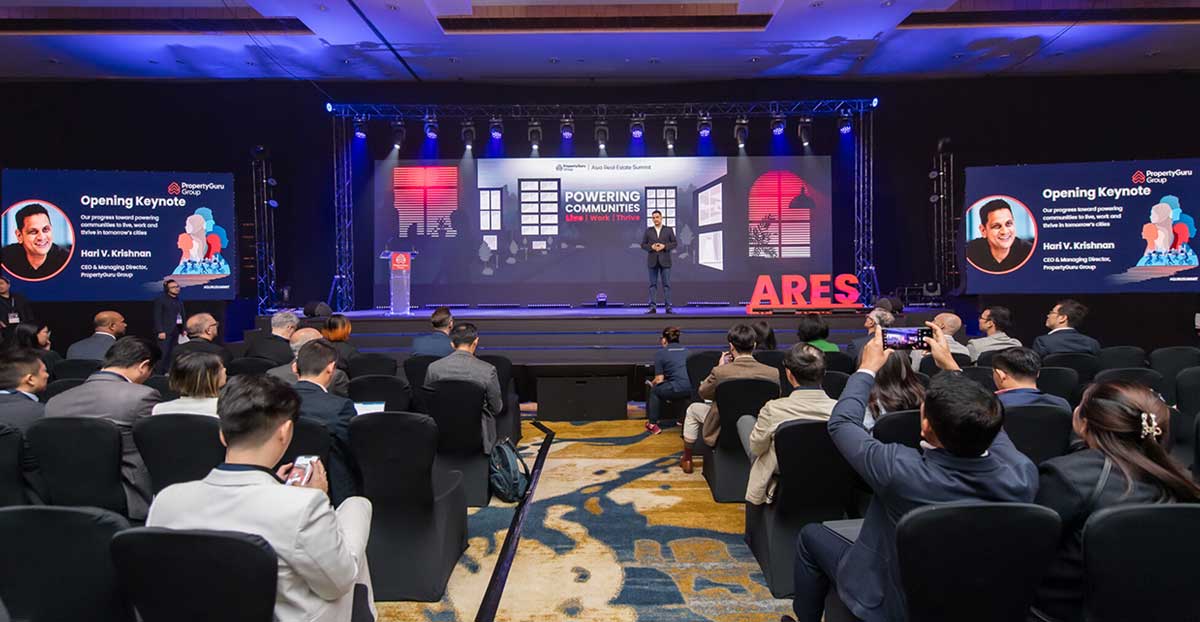
PropertyGuru Group Limited (NYSE: PGRU) (“PropertyGuru” or “the Group”), Southeast Asia’s leading[1], property technology (“PropTech”) company, is pleased to share that Hari V. Krishnan, Chief Executive Officer and Managing Director, PropertyGuru Group, has been appointed to the Board of Directors of INSEAD effective December 1, 2023.

Hari Krishnan, an esteemed INSEAD alum and a prominent figure in the technology and digital sectors, has been appointed to the Board of Directors of INSEAD, the Business School for the World. As a 2005 MBA program graduate, Hari has maintained a strong connection with INSEAD, making substantial contributions to its community. With over two decades of leadership experience in various technology and digital organizations across Asia and the US, Hari is well-positioned to further INSEAD’s mission to bring together people, culture, and ideas to shape responsible leaders. His aim is to utilize the school’s expansive global network and its diverse culture to drive digital innovation in multiple sectors.

An engaged member of the INSEAD community, Hari has significantly influenced future leaders, as demonstrated by his commencement address to the EMBA 2018-19 cohort and the welcome speech to the MBA 19J batch in 2018 and 2019. His participation in crucial conversations, like the “Role of Allyship in Advancing Gender Equality & Inclusive Leadership” by the INSEAD Gender Initiative, underscores his commitment to inclusive leadership and addressing key societal issues. His appointment to the Board is a testament to his dedication and the value he brings to the INSEAD community.

“I am delighted to welcome Hari Krishnan to the INSEAD Board of Directors. His exemplary leadership in the technology and digital sectors, coupled with his unwavering commitment to the INSEAD community, positions him as a valuable contributor to our Board. Dean Francisco Veloso and I look forward to benefiting from his vision and expertise,’’ said Andreas Jacobs, Chair of the INSEAD Board of Directors.

 Speaking on the appointment, Hari V. Krishnan, Chief Executive Officer, and Managing Director, said “It is an honour to be appointed to the Board of Directors of an institution that has played a pivotal role in my personal and professional development. I am privileged to have this opportunity to give back to INSEAD and to be a part of its future development. I look forward to working closely with the Board to advance INSEAD as a business school for a better world.”

As PropertyGuru’s CEO, MD and Board member for eight years now, Hari has been instrumental in shaping the property industry in Southeast Asia, enabling individuals and businesses to make informed property decisions. Hari leads a dynamic team of over 1,600 Gurus and has been pivotal in realising the Group’s vision – ‘We power communities to live, work and thrive in tomorrow’s cities.’

Hari’s extensive experience in scaling diverse businesses, ranging from venture-backed startups to publicly traded companies, including leading PropertyGuru’s successful listing on the New York Stock Exchange in March 2022, demonstrates his expertise as a technologist, digital transformation strategist, and Board Director.

Prior to PropertyGuru, Hari significantly contributed to the expansion of major corporations like Cisco, Yahoo, and LinkedIn in Asia Pacific. He is an active investor and advisor for several fast-growing startups and has also been a part of Singapore’s Future Economy Council Modern Services Sub-committee, advising the government on real estate industry transformation and skills development.

In addition to his corporate roles, Hari advises and works with some of the leading education institutions in the world. He serves on University of Colorado’s College of Engineering Advisory Council to the Dean and has adjudicated the MIT Tech Review’s TR35 Asia, spotlighting outstanding young Asian entrepreneurs.

“แฮร์รี่ วี. คริชนัน” CEO และ MD พร็อพเพอร์ตี้กูรู กรุ๊ป ได้รับการแต่งตั้งเป็นคณะกรรมการบริหารของสถาบัน INSEAD

“แฮร์รี่ วี. คริชนัน” CEO และ MD พร็อพเพอร์ตี้กูรู กรุ๊ป ได้รับการแต่งตั้งเป็นคณะกรรมการบริหารของสถาบัน INSEAD

“แฮร์รี่ วี. คริชนัน” CEO และ MD พร็อพเพอร์ตี้กูรู กรุ๊ป ได้รับการแต่งตั้งเป็นคณะกรรมการบริหารของสถาบัน INSEAD

พร็อพเพอร์ตี้กูรู กรุ๊ป จำกัด (หรือชื่อย่อในตลาดหลักทรัพย์นิวยอร์ก NYSE คือ PGRU) (จากนี้จะเรียกว่า “พร็อพเพอร์ตี้กูรู” หรือ “กรุ๊ป”) บริษัทเทคโนโลยีด้านอสังหาริมทรัพย์ชั้นนำของเอเชียตะวันออกเฉียงใต้ (“PropTech”)1 และเป็นบริษัทแม่ของ 2 แพลตฟอร์มอสังหาริมทรัพย์ชั้นนำของเมืองไทย ประกอบด้วย ดีดีพร็อพเพอร์ตี้ (DDproperty) เว็บไซต์มาร์เก็ตเพลสด้านอสังหาริมทรัพย์อันดับหนึ่งของไทย และ thinkofliving.com เว็บไซต์รีวิวโครงการอสังหาฯ ชั้นนำของไทย มีความยินดีที่จะแจ้งให้ทราบว่า นายแฮร์รี่ วี. คริชนัน ประธานเจ้าหน้าที่บริหาร และกรรมการผู้จัดการใหญ่ พร็อพเพอร์ตี้กูรู กรุ๊ป ได้รับการแต่งตั้งให้เป็นคณะกรรมการบริหารของสถาบัน INSEAD โดยมีผลตั้งแต่วันที่ 1 ธันวาคม 2566

นายแฮร์รี่ คริชนัน เป็นศิษย์เก่าที่ได้รับการยกย่องจากสถาบัน INSEAD และเป็นบุคคลสำคัญในภาคธุรกิจเทคโนโลยีและดิจิทัล ได้รับการแต่งตั้งให้เป็นคณะกรรมการบริหารของ INSEAD ซึ่งเป็นสถาบันการศึกษาด้านธุรกิจสำหรับโลก แฮร์รี่ยังคงรักษาความสัมพันธ์อันแน่นแฟ้นกับ INSEAD ในฐานะศิษย์เก่าที่สำเร็จการศึกษาหลักสูตรบริหารธุรกิจมหาบัณฑิต (MBA) ในปี 2548 โดยมีส่วนช่วยเหลือชุมชนและสังคมเป็นอย่างมาก ด้วยประสบการณ์การเป็นผู้นำในองค์กรเทคโนโลยีและดิจิทัลต่าง ๆ ทั่วเอเชียและสหรัฐอเมริกามากว่าสองทศวรรษ แฮร์รี่จะสานต่อภารกิจของ INSEAD ในการนำพาผู้คน วัฒนธรรม และแนวคิดเพื่อกำหนดรูปแบบผู้นำที่มีความรับผิดชอบ เป้าหมายของเขาคือการใช้เครือข่ายทั่วโลกของสถาบันและวัฒนธรรมที่หลากหลายเพื่อขับเคลื่อนนวัตกรรมดิจิทัลไปสู่ภาคส่วนต่าง ๆ 

แฮร์รี่เป็นสมาชิกของชุมชน INSEAD และมีอิทธิพลอย่างสูงต่อผู้นำในอนาคต ดังที่เห็นได้จากปาฐกถาแรกของเขาต่อกลุ่ม EMBA 2018-19 และสุนทรพจน์ต้อนรับหลักสูตร MBA 19J ในปี 2561 และ 2562 การมีส่วนร่วมของเขาในการเจรจาที่สำคัญ เช่น “บทบาทของพันธมิตรในการขับเคลื่อนความเท่าเทียมทางเพศและภาวะผู้นำแบบครอบคลุม” โดย INSEAD Gender Initiative ตอกย้ำความมุ่งมั่นของเขาในการเป็นผู้นำที่มีส่วนร่วมและจัดการกับประเด็นสำคัญทางสังคม การแต่งตั้งเขาเป็นคณะกรรมการจึงเป็นข้อพิสูจน์ถึงความทุ่มเทและคุณค่าที่เขามอบให้กับชุมชน INSEAD

แอนเดรียส จาคอบส์ ประธานคณะกรรมการบริหารสถาบัน INSEAD กล่าวว่า “ผมรู้สึกยินดีเป็นอย่างยิ่งที่ได้ต้อนรับคุณแฮร์รี่ คริชนันเข้าสู่คณะกรรมการบริหารของสถาบัน INSEAD ความเป็นผู้นำที่เป็นแบบอย่างของเขาในภาคเทคโนโลยีและดิจิทัล ควบคู่ไปกับความมุ่งมั่นอันแน่วแน่ที่มีต่อชุมชน INSEAD ทำให้เขาเป็นผู้สนับสนุนอันทรงคุณค่าของคณะกรรมการของเรา คณบดีฟรานซิสโก เวโลโซ และผมหวังว่าจะได้รับประโยชน์จากวิสัยทัศน์และความเชี่ยวชาญของเขา” 

นายแฮร์รี่ วี. คริชนัน ประธานเจ้าหน้าที่บริหาร และกรรมการผู้จัดการใหญ่ กล่าวในโอกาสได้รับการแต่งตั้งว่า “ผมรู้สึกเป็นเกียรติที่ได้รับการแต่งตั้งให้เป็นคณะกรรมการบริหารของสถาบันที่มีบทบาทสำคัญในการพัฒนาตนเองและวิชาชีพของผมเอง และรู้สึกเป็นเกียรติอย่างยิ่งที่มีโอกาสตอบแทน INSEAD และเป็นส่วนหนึ่งของการพัฒนาในอนาคต ผมหวังว่าจะได้ทำงานอย่างใกล้ชิดกับคณะกรรมการเพื่อพัฒนา INSEAD ในฐานะสถาบันการศึกษาธุรกิจเพื่อโลกที่ดียิ่งขึ้น”

ในฐานะประธานเจ้าหน้าที่บริหาร กรรมการผู้จัดการใหญ่ และคณะกรรมการของพร็อพเพอร์ตี้กูรูมาเป็นเวลา 8 ปี แฮร์รี่มีบทบาทสำคัญในการกำหนดรูปแบบอุตสาหกรรมอสังหาริมทรัพย์ในเอเชียตะวันออกเฉียงใต้ ซึ่งช่วยให้ผู้บริโภคและธุรกิจต่าง ๆ สามารถตัดสินใจเกี่ยวกับอสังหาริมทรัพย์ด้วยข้อมูลที่รอบด้าน แฮร์รี่เป็นผู้นำทีมที่ทรงพลังโดยมีกูรูมากกว่า 1,600 คน และมีบทบาทสำคัญในการบรรลุวิสัยทัศน์ของกรุ๊ปที่ว่า “เราขับเคลื่อนชุมชนให้ใช้ชีวิต ทำงาน และเจริญเติบโตในเมืองแห่งวันพรุ่งนี้”

ประสบการณ์อย่างยาวนานของแฮร์รี่ในการขยายธุรกิจตั้งแต่สตาร์ตอัปที่ได้รับการสนับสนุนจากกิจการร่วมค้าไปจนถึงบริษัทในตลาดหลักทรัพย์ รวมถึงความสำเร็จในการนำพร็อพเพอร์ตี้กูรูเข้าจดทะเบียนในตลาดหลักทรัพย์นิวยอร์กในเดือนมีนาคม 2565 แสดงให้เห็นถึงความเชี่ยวชาญของเขาในฐานะนักเทคโนโลยี นักยุทธศาสตร์ด้านการเปลี่ยนแปลงทางดิจิทัล และคณะกรรมการบริหาร

ก่อนร่วมงานกับพร็อพเพอร์ตี้กูรู แฮร์รี่มีส่วนสำคัญในการขยายธุรกิจของบริษัทใหญ่ เช่น Cisco, Yahoo และ LinkedIn ในเอเชียแปซิฟิก เขาเป็นนักลงทุนและที่ปรึกษาให้กับบริษัทสตาร์ตอัปที่เติบโตอย่างรวดเร็วหลายแห่ง และยังเป็นสมาชิกของคณะอนุกรรมการบริการสมัยใหม่ของสภาเศรษฐกิจในอนาคตแห่งสิงคโปร์ (Singapore’s Future Economy Council Modern Services Sub-committee) โดยให้คำปรึกษาแก่รัฐบาลเกี่ยวกับการเปลี่ยนแปลงอุตสาหกรรมอสังหาริมทรัพย์และการพัฒนาทักษะ

นอกเหนือจากบทบาทในองค์กร แฮร์รี่ยังให้คำแนะนำและทำงานร่วมกับสถาบันการศึกษาชั้นนำอื่น ๆ ของโลกอีกด้วย เขาดำรงตำแหน่งในสภาที่ปรึกษาวิทยาลัยวิศวกรรมศาสตร์แห่งมหาวิทยาลัยโคโลราโดให้กับคณบดี และร่วมตัดสินรางวัล TR35 Asia ของ MIT Tech Review โดยมุ่งเน้นไปที่ผู้ประกอบการชาวเอเชียรุ่นใหม่ที่มีความโดดเด่น

Ericsson Mobility Report: Resilient 5G uptake – 5G subscriptions will reach around 550 million in Southeast Asia and Oceania by the end of 2029.

Ericsson Mobility Report: Resilient 5G uptake - 5G subscriptions will reach around 550 million in Southeast Asia and Oceania by the end of 2029.

Ericsson Mobility Report: Resilient 5G uptake - 5G subscriptions will reach around 550 million in Southeast Asia and Oceania by the end of 2029.

  • Global 5G subscriptions are forecast to top 5.3 billion by the end of 2029
  • Continued strong surge in average data consumption per smartphone in Southeast Asia and Oceania – predicted to increase from 24GB/month to 66GB/month between 2023 and 2029
  • 85 percent of the global population to have 5G coverage access by the end of 2029

Ericsson (NASDAQ: ERIC) estimates that almost one-in-five of all global mobile subscriptions will be 5G subscriptions by the end of 2023, as the growth proves resilient despite continued economic challenges and geopolitical unrest in some markets. The statistic is featured in the November 2023 edition of the Ericsson Mobility Report, which estimates that there will be 610 million new 5G subscriptions for the calendar year 2023 – a 63 percent increase on 2022 – bringing the global total to 1.6 billion, about 100 million more than previously predicted.

The latest report – the twenty-fifth edition – has a new upper timeline for statistical forecasts, moving from 2028 to 2029.  In line with recent editions, the November 2023 report confirms enhanced mobile broadband, fixed wireless access, gaming and AR/VR/-based services as the most common early consumer use cases for 5G.

Regionally, the uptake of 5G subscriptions in North America continues to be strong. By the end of 2023 the region is expected to have the highest 5G subscription penetration globally at 61 percent. 5G subscription growth has also been strong in India throughout 2023. At the end of 2023 – fourteen months after its commercial launch – 5G penetration is expected to have topped 11 percent in India.

In the six years between the end of 2023 and 2029, global 5G subscriptions are forecast to increase by more than 330 percent – from 1.6 billion to 5.3 billion. 5G coverage is forecast to be available to more than 45 percent of the global population by the end of 2023 and 85 percent by the end of 2029.  North America and the Gulf Cooperation Council are expected to have the highest regional 5G penetration rates by the end of 2029 at 92 percent. Western Europe is forecast to follow at 85 percent penetration.

Fredrik Jejdling, Executive Vice President and Head of Networks, Ericsson, says: “With more than 600 million 5G subscriptions added globally this year, and rising in every region, it is evident that the demand for high performance connectivity is strong. The roll-out out of 5G continues and we see an increasing number of 5G standalone networks being deployed, bringing opportunities to support new and more demanding applications for both consumers and enterprises.”

The global average data consumption per smartphone keeps growing. Total mobile data traffic is estimated to grow threefold between the end of 2023 and end of 2029 – attributed to factors such as improved device capabilities, an increase in data intensive content and continued improvements in the performance of deployed networks.

Peter Jonsson, Executive Editor, Ericsson Mobility Report, Ericsson, says: “The rate of data growth in mobile networks clearly reflects consumers’ passion for enhanced mobile broadband-related applications. This trend will increase in pace as more consumers worldwide embrace 5G and new use cases emerge, triggering further growth in data traffic. As most traffic is generated indoors, where people typically spend most of their time, there is a growing need to extend 5G mid-band coverage both indoors and outdoors to ensure a comprehensive 5G experience in all locations.“

5G mid-band combines high capacity with good coverage, making it an ideal choice for delivering the full 5G experience. Global 5G mid-band population coverage is currently more than 40 percent, an increase from 30 percent in 2022. The increase is mainly driven by large mid-band deployments in India, but also several mid-band deployments in Europe.

The report also explores wireless connectivity for the manufacturing industry, how 5G is becoming a key determinant of production output and how it enables the agility required to support rapid changes and reallocation of resources.

Southeast Asia Highlights: 5G subscriptions will reach around 550 million in Southeast Asia and Oceania by the end of 2029. Beyond creating the initial 5G infrastructure in the region, the focus of the service providers is towards diversifying service offerings for both consumers and enterprises. Enhancing customer experience, expanding network coverage and promoting digital transformations for businesses remain top priorities across the region. 

Mobile data traffic per smartphone continues to grow strongly in Southeast Asia and Oceania and is expected to reach around 66GB per month in 2029 from 24GB per month in 2023 – a CAGR of 19 per cent.

Head of Ericsson Thailand, Igor Maurell says, “Enhancing customer experience, expanding network coverage and promoting digital transformation for businesses remain top priorities for service providers in Thailand. At Ericsson, we are looking to support the Thai service providers to provide the full benefits of 5G to consumers and enterprises in Thailand.”

รายงาน Ericsson Mobility เผย 5G อยู่ในช่วงขาขึ้น คาดในปี 2572 ยอดผู้ใช้ 5G ในเอเชียตะวันออกเฉียงใต้และโอเชียเนียพุ่งแตะ 550 ล้านราย

รายงาน Ericsson Mobility เผย 5G อยู่ในช่วงขาขึ้น คาดในปี 2572 ยอดผู้ใช้ 5G ในเอเชียตะวันออกเฉียงใต้และโอเชียเนียพุ่งแตะ 550 ล้านราย

รายงาน Ericsson Mobility เผย 5G อยู่ในช่วงขาขึ้น คาดในปี 2572 ยอดผู้ใช้ 5G ในเอเชียตะวันออกเฉียงใต้และโอเชียเนียพุ่งแตะ 550 ล้านราย

  • ยอดผู้ใช้บริการมือถือ 5G ทั่วโลกคาดว่าจะแตะ 5.3 พันล้านราย ภายในสิ้นปี 2572
  • ยอดการใช้ดาต้าเน็ตต่อสมาร์ทโฟนโดยเฉลี่ยในภูมิภาคเอเชียตะวันออกเฉียงใต้และโอเชียเนียเพิ่มขึ้นอย่างมีนัยสำคัญ โดยคาดว่าจะเพิ่มจาก 24 กิ๊กกะไบต์ต่อเดือน เป็น 66 กิ๊กกะไบต์ต่อเดือน ระหว่างปี 2566 ถึง 2572
  • ณ สิ้นปี 2572 เครือข่าย 5G จะเข้าถึงและครอบคลุมประชากรกว่า 85% ทั่วโลก

อีริคสัน (NASDAQ: ERIC) คาดการณ์ว่าภายในสิ้นปี 2566 เกือบหนึ่งในห้าของการใช้บริการมือถือทั่วโลกจะเป็น 5G เนื่องจากการเติบโตนี้พิสูจน์ให้เห็นถึงการฟื้นคืนสู่สภาพเดิม แม้ว่าจะมีความท้าทายทางเศรษฐกิจที่ยังคงดำเนินต่อไปและความไม่สงบทางภูมิรัฐศาสตร์ในบางตลาดก็ตาม ตามสถิติที่นำเสนอในรายงาน Ericsson Mobility Report ฉบับเดือนพฤศจิกายน 2566 ซึ่งคาดการณ์ว่าจะมียอดการสมัครใช้บริการมือถือ 5G รายใหม่ 610 ล้านรายในปี 2566 เพิ่มขึ้น 63% จากปี 2565 ส่งผลให้ยอดรวมทั่วโลกอยู่ที่ 1.6 พันล้านราย หรือมากกว่าที่คาดการณ์ไว้ก่อนหน้านี้ประมาณ 100 ล้านราย

รายงานล่าสุด ซึ่งเป็นฉบับที่ 25 เผยช่วงเวลาการคาดการณ์ทางสถิติใหม่ โดยเปลี่ยนจากปี 2571 เป็นปี 2572 โดยรายงานฉบับนี้ยังระบุชัดเจนว่าบริการ Enhanced Mobile Broadband (eMBB), Fixed Wireless Access (FWA), เกมและบริการอื่น ๆ ที่ใช้กับอุปกรณ์ AR/VR เป็นเคสการใช้งาน 5G ที่พบเห็นบ่อยที่สุดของผู้บริโภคที่ใช้ 5G เป็นกลุ่มแรก ๆ

ภาพรวมในระดับภูมิภาคยอดการสมัครใช้ 5G ในทวีปอเมริกาเหนือยังคงเติบโตแข็งแกร่ง โดยคาดว่าภายในสิ้นปี 2566 ภูมิภาคนี้จะมีอัตราการสมัครใช้บริการมือถือ 5G สูงที่สุดในโลกที่ 61% เช่นเดียวกับการเติบโตของการสมัครใช้บริการ 5G ในประเทศอินเดียก็แข็งแกร่งตลอดปี 2566 ซึ่งคาดว่าในสิ้นปีนี้จะมีการสมัครใช้ 5G เติบโตสูงถึง 11% ซึ่งนับเป็นเวลาสิบสี่เดือนหลังจากการเปิดตัวเชิงพาณิชย์

ในช่วงหกปีระหว่างสิ้นปี 2566 ถึง 2572 คาดว่าการสมัครใช้บริการ 5G ทั่วโลกจะเพิ่มขึ้นมากกว่า 330% จาก 1.6 พันล้านรายเพิ่มเป็น 5.3 พันล้านราย และคาดว่าภายในสิ้นปีนี้ 5G จะครอบคลุมพร้อมให้บริการแก่ประชากรทั่วโลกมากกว่า 45% และเพิ่มเป็น 85% ภายในสิ้นปี 2572 โดยคาดว่าทวีปอเมริกาเหนือและกลุ่มประเทศความร่วมมืออ่าวอาหรับจะมีอัตราการขยายตัวของ 5G ระดับภูมิภาคสูงสุด อยู่ที่ 92% ภายในสิ้นปี 2572 ตามมาด้วยยุโรปตะวันตกที่คาดว่าจะเข้าถึงที่ 85%

เฟรดริก เจดลิง รองประธานผู้บริหารและหัวหน้างานด้านเครือข่ายของอีริคสัน กล่าวว่า “ด้วยจำนวนผู้ใช้ 5G ที่เพิ่มขึ้นมากกว่า 600 ล้านบัญชีทั่วโลกและเพิ่มขึ้นในทุกภูมิภาคปีนี้ ทำให้เห็นได้ชัดว่าความต้องการการเชื่อมต่อประสิทธิภาพสูงนั้นยังเข้มข้นอยู่ การเปิดตัว 5G ยังคงดำเนินต่อไปและเรายังเห็นการนำเครือข่าย 5G แบบสแตนด์อโลนมาใช้เพิ่มมากขึ้น นำมาซึ่งโอกาสในการสนับสนุนแอปพลิเคชันใหม่ ๆ ที่มีความต้องการมากขึ้นสำหรับทั้งผู้บริโภคและองค์กร”

ปริมาณการใช้ดาต้าเน็ตต่อสมาร์ทโฟนเฉลี่ยทั่วโลกเพิ่มขึ้นอย่างต่อเนื่อง คาดว่าจะเติบโตขึ้นสามเท่าระหว่างสิ้นปี 2566 ถึงสิ้นปี 2572 โดยมีสาเหตุมาจากปัจจัยต่าง ๆ เช่น ความสามารถของอุปกรณ์ที่พัฒนาขึ้น คอนเทนต์เนื้อหาต่าง ๆ ที่ต้องใช้ดาต้าจำนวนมากเพิ่มขึ้น และเครือข่ายการใช้งานที่พัฒนาประสิทธิภาพอย่างต่อเนื่อง

ปีเตอร์ จอนส์สัน บรรณาธิการบริหารของรายงาน Ericsson Mobility Report กล่าวว่า “อัตราการเติบโตของการใช้ดาต้าในเครือข่ายมือถือ สะท้อนให้เห็นว่าผู้บริโภคชื่นชอบการใช้แอปพลิเคชันบรอดแบนด์มือถือที่พัฒนายกระดับไปอีกขั้นหนึ่ง แนวโน้มนี้จะเพิ่มขึ้นอย่างรวดเร็วเมื่อผู้บริโภคทั่วโลกหันมาใช้ 5G มากขึ้น และมีเคสการใช้งานใหม่ ๆ เกิดขึ้น ซึ่งกระตุ้นให้การใช้ดาต้าเน็ตเติบโตตามมากขึ้น เนื่องจากความคับคั่งของการใช้ดาต้าส่วนใหญ่เกิดขึ้นภายในอาคารซึ่งผู้คนมักใช้เวลาส่วนใหญ่ในนั้น จึงมีความต้องการการขยายความครอบคลุมย่านความถี่กลาง 5G ทั้งในอาคารและนอกอาคารเพิ่มขึ้น เพื่อให้มั่นใจว่าผู้ใช้จะได้รับประสบการณ์ 5G ที่ครอบคลุมในทุกสถานที่”

ย่านความถี่กลางสำหรับเครือข่าย 5G หรือ 5G Mid-Band ผสมผสานเอาความจุสูงและความครอบคลุมที่ดี ทำให้เป็นตัวเลือกที่เหมาะสมสำหรับการมอบประสบการณ์ 5G เต็มรูปแบบ ปัจจุบันความครอบคลุมของประชากรของย่านความถี่กลางสำหรับเครือข่าย 5G ทั่วโลกมีมากกว่า 40% เพิ่มขึ้นจาก 30% ในปี 2565 โดยการเพิ่มขึ้นดังกล่าวมีสาเหตุหลักมาจากการใช้งานย่านความถี่กลางขนาดใหญ่ในอินเดีย และยังรวมถึงการใช้งานย่านความถี่กลางหลายแห่งในยุโรปด้วย

รายงานยังสำรวจการเชื่อมต่อไร้สายสำหรับภาคอุตสาหกรรมการผลิต เผย 5G ได้กลายเป็นปัจจัยสำคัญในการผลิตและการทำให้เกิดความคล่องตัวที่จำเป็นเพื่อรองรับการเปลี่ยนแปลงอย่างรวดเร็วรวมถึงการจัดสรรทรัพยากรต่าง ๆ

ไฮไลท์ของภูมิภาคเอเชียตะวันออกเฉียงใต้: ภายในสิ้นปี 2572 ในเอเชียตะวันออกเฉียงใต้และโอเชียเนียจะมียอดสมัครใช้บริการมือถือ 5G สูงประมาณ 550 ล้านราย นอกเหนือจากการพัฒนาโครงสร้างพื้นฐาน 5G เบื้องต้นในภูมิภาคแล้ว ผู้ให้บริการเครือข่ายยังให้ความสำคัญกับการนำเสนอบริการที่หลากหลายสำหรับทั้งผู้บริโภคและองค์กร โดยการยกระดับประสบการณ์ของลูกค้า การขยายความครอบคลุมของเครือข่าย และการส่งเสริมการทำดิจิทัลทรานส์ฟอร์เมชันเพื่อธุรกิจยังมีความสำคัญสูงสุดทั่วทั้งภูมิภาค

ปริมาณการใช้ดาต้าเน็ตต่อสมาร์ทโฟนยังเติบโตอย่างแข็งแกร่งในเอเชียตะวันออกเฉียงใต้และโอเชียเนีย และคาดว่าจะสูงถึงประมาณ 66 กิ๊กกะไบต์ต่อเดือนในปี 2572 เพิ่มจาก 24 กิ๊กกะไบต์ต่อเดือนในปี 2566 หรือเติบโต 19% ต่อปี

นายอิกอร์ มอเรล ประธานบริษัท อีริคสัน ประเทศไทย กล่าวว่า “การยกระดับประสบการณ์ลูกค้า การขยายความครอบคลุมเครือข่าย และการส่งเสริมการทำดิจิทัลทรานส์ฟอร์เมชันเพื่อธุรกิจยังเป็นปัจจัยสำคัญลำดับต้น ๆ ของผู้ให้บริการเครือข่ายในประเทศไทย โดยอีริคสันพร้อมสนับสนุนผู้ให้บริการไทยเพื่อมอบประโยชน์ 5G อย่างเต็มประสิทธิภาพให้แก่ทั้งผู้บริโภคและองค์กรในประเทศไทย”

Understanding edge computing for manufacturing

เอดจ์คอมพิวติ้งสำหรับภาคการผลิต ทำงานอย่างไร

Understanding edge computing for manufacturing

Article by Supannee Amnajmongkol, Country Manager for Thailand, Red Hat

Edge computing is a top priority for organizations looking for effective ways to modernize operations and implement virtualization. The manufacturing industry is making a shift toward merging information technology (IT) with operational technology (OT) for more transparency, improved efficiency, and more timely data analysis.

Manufacturers need to reduce plant emissions, create richer customer experiences, support resilient supply chains, as well as minimize downtime, and detect problems before they impact production.

Network functions ranging from predictive analytics, elevating control and monitoring processes with automation, improving production, eliminating high latency, and optimizing logistics are only some of the use cases that inspire manufacturers to employ an infrastructure that has the bandwidth to manage the massive amounts of data that endpoint devices send and receive.

Edge computing (as opposed to cloud computing) allows manufacturers to implement automation across factory floor and supply chain processes through advanced robotics and machine-to-machine communication closer to the source, rather than sending data to a server for analysis and response. For example, scanning sheet metal to detect fatigue, monitoring flow through pipes, or keeping track of automated machine cycles, to improve latency, resulting in faster analysis and correction.

Gathering, analyzing, and acting on data on the factory floor in real-time offers profound benefits. Reducing downtime, accurately predicting maintenance, and improving overall product quality results in higher yield, reduced waste, increased throughput, and lower overall costs.

Challenges

Edge computing is already a large part of the manufacturing industry’s landscape. However, even companies that are accustomed to operating across multiple locations are struggling to remove silos by bringing IT and OT together. 

Industrial edge

Advances in manufacturing technology have caused existing factory equipment to become outmoded. New regulations that call for more stringent monitoring of power consumption, vibration data, and predictive maintenance also contribute to the need for edge computing solutions that use existing tools, can be administered by minimal staff, and are flexible enough to adapt and grow as demands change.


Each organization has different requirements. However, all end users rely on the need to gather, curate, analyze, and then act on data that is being communicated from many different sources, often across multiple locations or various data centers. Funneling that data through a centralized network causes bottlenecks and increases latency. A common horizontal framework that spans the entire IT infrastructure can help manage data sources that are distributed across many locations. 

Some companies have existing edge solutions that are composed of a mismatched variety of hardware housed in small spaces with little room to expand. Components are added as needed, then spliced together to handle specific processes and technologies. Over time, this increases complexity, making it ever more difficult to manage and scale. Cloud services and Internet of Things (IoT) solutions allow manufacturers to manage growing infrastructure needs without having to dedicate their own limited real estate.  

Managing the large numbers of edge computing sites, which gather massive amounts of data generated by edge devices, can prove to be a major challenge. A manufacturer may have several locations, each with a number of automated machines and processes that stream thousands of data points per minute. As demand grows, so does the amount of data that is passed through servers, causing latency. In some cases, this is a minor inconvenience. In others, a delay can cause serious problems, resulting in lost productivity. Flexible, long-term scalability is critical for manufacturers to respond quickly to changing circumstances with a minimum of disruption to operations.

Edge computing and open hybrid cloud

There’s no doubt that edge computing offers a level of productivity that is unmatched by traditional technologies. But it’s not a total solution for all of the challenges manufacturers can encounter. Edge computing becomes more powerful when used in concert with an open hybrid cloud infrastructure.

Open hybrid cloud infrastructure helps manage the data gathered from multiple locations to more easily adapt to changes in demand with flexible compute, network, and storage resources. It enables manufacturers to gather insights, analyze problems, and develop solutions faster.

Using public and private clouds from different sources to handle a variety of tasks allows companies to dedicate existing on-premises infrastructure for critical functions. Open hybrid cloud infrastructure provides flexibility in resourcing and makes it easier to create a cohesive server environment that is flexible enough to adapt to evolving needs. Data on the edge is managed more efficiently.

Historically, manufacturers have relied on proprietary solutions and vertically-integrated vendors to address their immediate edge computing needs. But that is changing as leaders are leaning toward solutions that can grow and respond to changing circumstances. Having a platform that can flex and expand without proprietary limitations enhances interoperability and allows for seamless expansion, smooth growth, and unfettered innovation.

An important benefit of adopting edge computing on the open cloud is removing the manual configuration of disparate systems and applications, which is time-consuming and prone to errors. Managing and scaling workloads is possible with minimal operational overhead. Teams can focus on developing applications to improve monetization, rather than configuring systems or performing routine tasks.

Edge computing in a hybrid cloud environment also supports redundant mechanisms, allowing processes to continue working when a component fails or needs maintenance. This results in decreased downtime, improved safety, and a longer life cycle for components.

Red Hat’s approach to edge computing for manufacturing

The future of manufacturing is one in which decisions are made autonomously right on the factory floor, based on real-time conditions. Edge computing helps to integrate all aspects of the manufacturing process, including design, supply chain, and operations. This allows companies to react to changes faster with more flexibility and less waste. Edge computing coupled with open hybrid cloud infrastructure can provide real time transparency, accelerate software-driven production, maximize scaling, and leverage big data for analytics across the IT infrastructure.

Adopting edge computing requires transformative thinking. Implementing the tools and processes necessary at potentially thousands of sites with little to no IT staff is challenging at the best of times. In addition, each edge tier has varying requirements regarding the hardware footprint, the physical operating environment parameters, and with that, the cost. Most often, a single vendor isn’t able to provide an end-to-end solution. Interoperability depends on obtaining resources from multiple vendors to create consistency across the IT architecture.

Why Red Hat?

Red Hat’s broad portfolio of solutions helps manufacturers plan, adopt, and implement the technology necessary for successful transformation to edge computing on an open hybrid cloud. Red Hat® Enterprise Linux® provides the foundation with a large ecosystem for building and running applications and containers. Red Hat® OpenShift® is a high-performance Kubernetes environment for building, deploying, and managing container-based applications across any infrastructure—physical, virtual, or in the cloud. Red Hat Edge provides the platforms to support your workloads wherever you need them. An Open Innovation Labs residency helps connect innovation with tools to bring your team’s ideas and potential to life.

More Information